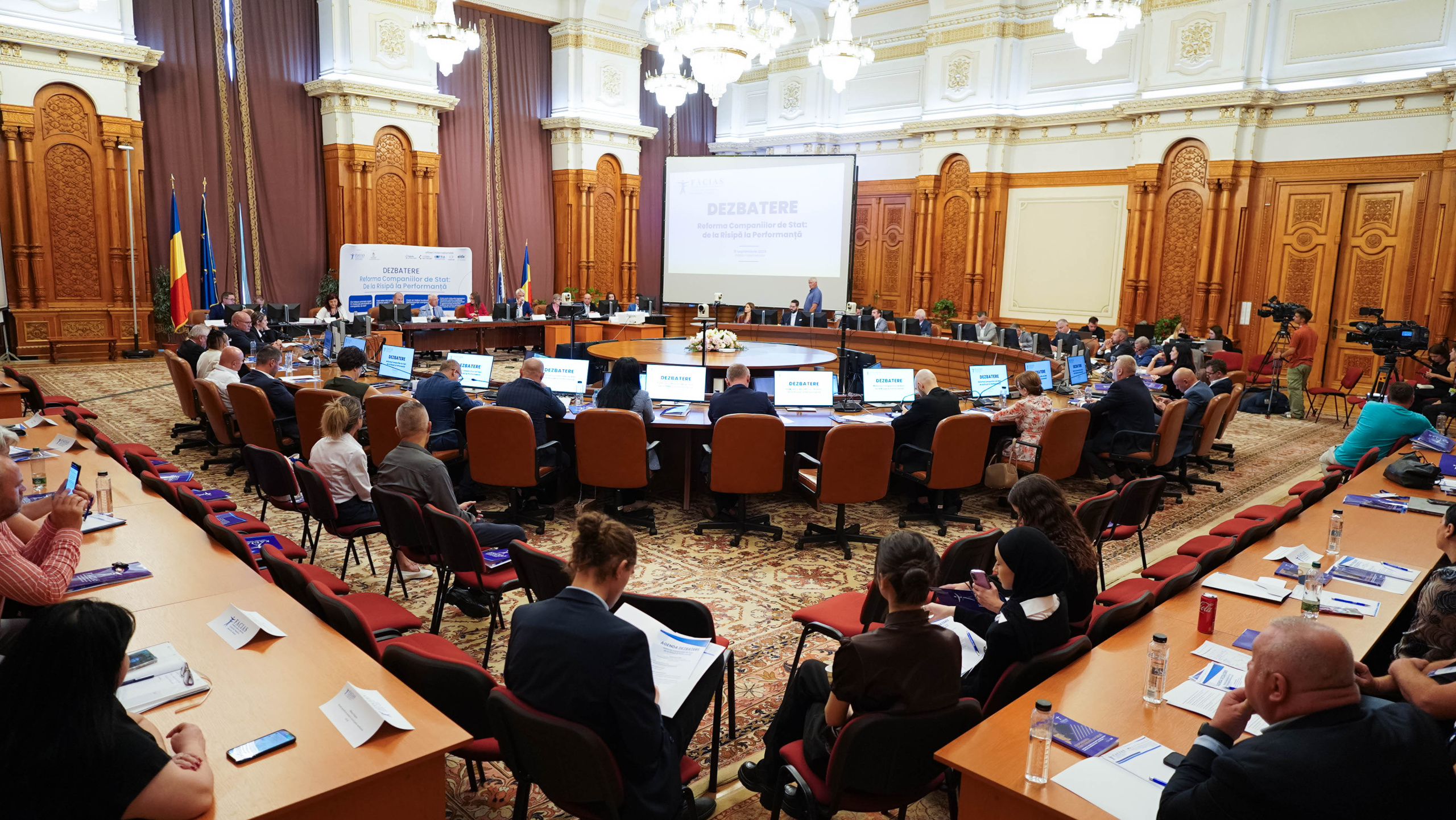
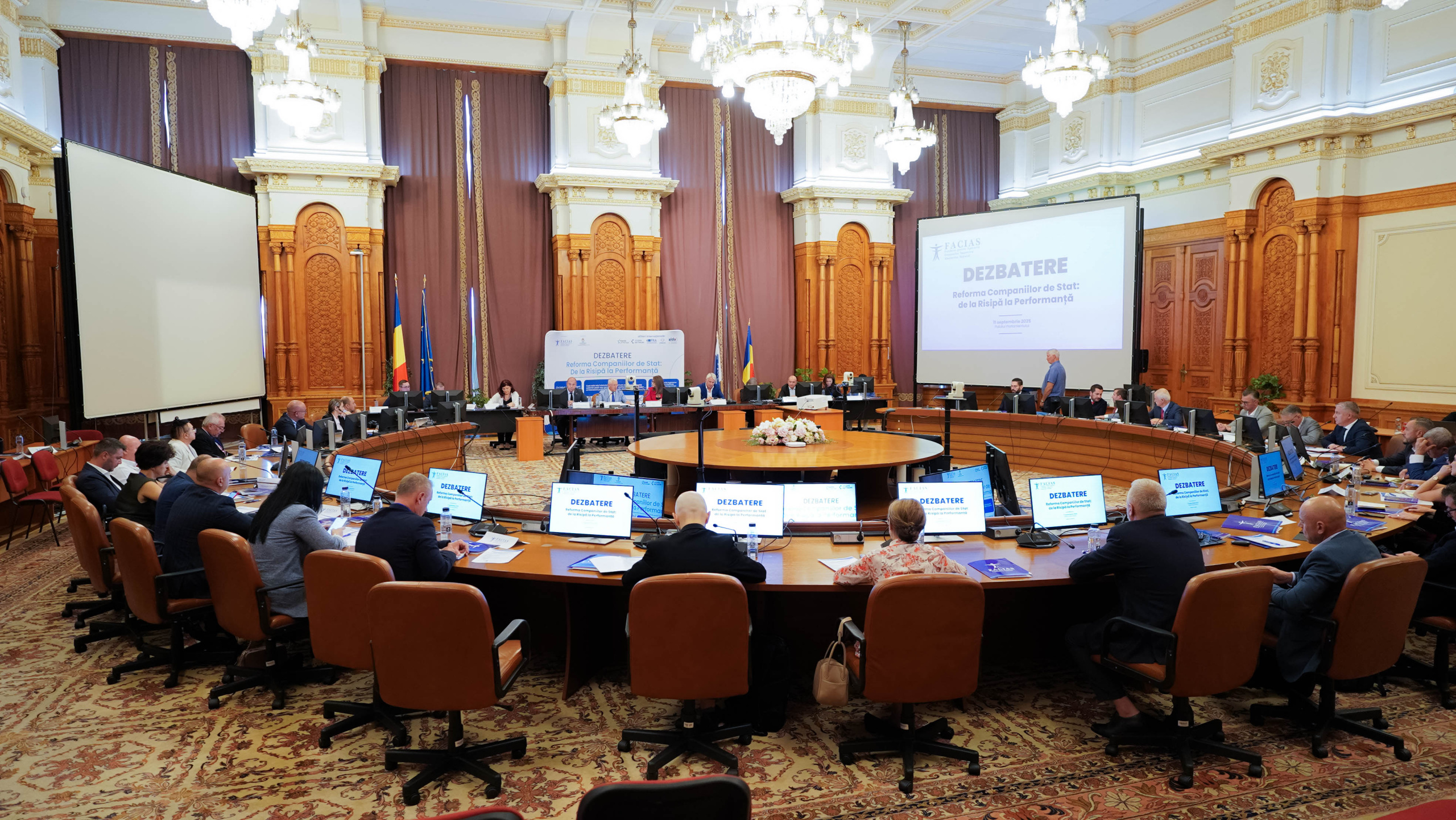
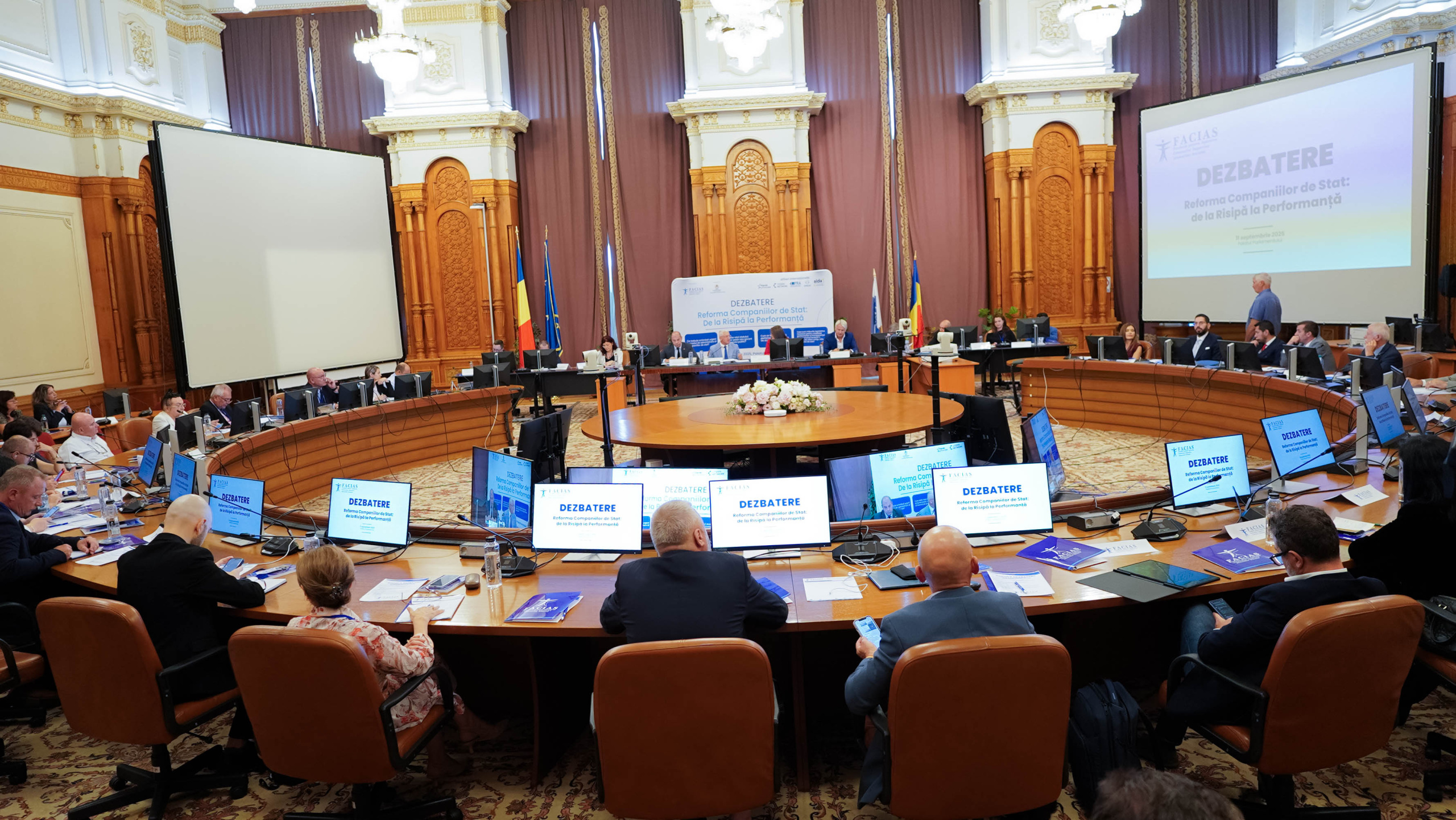
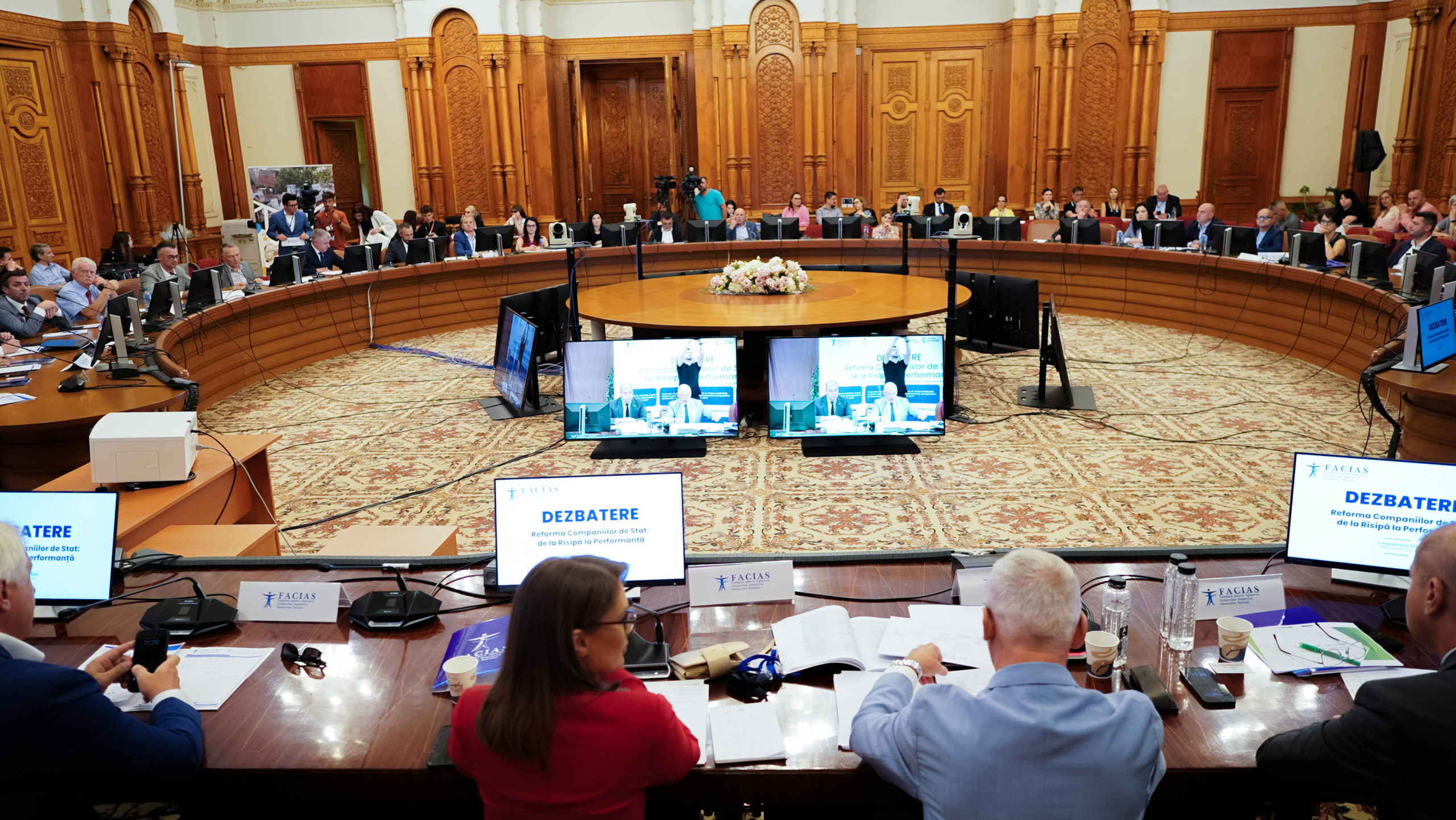
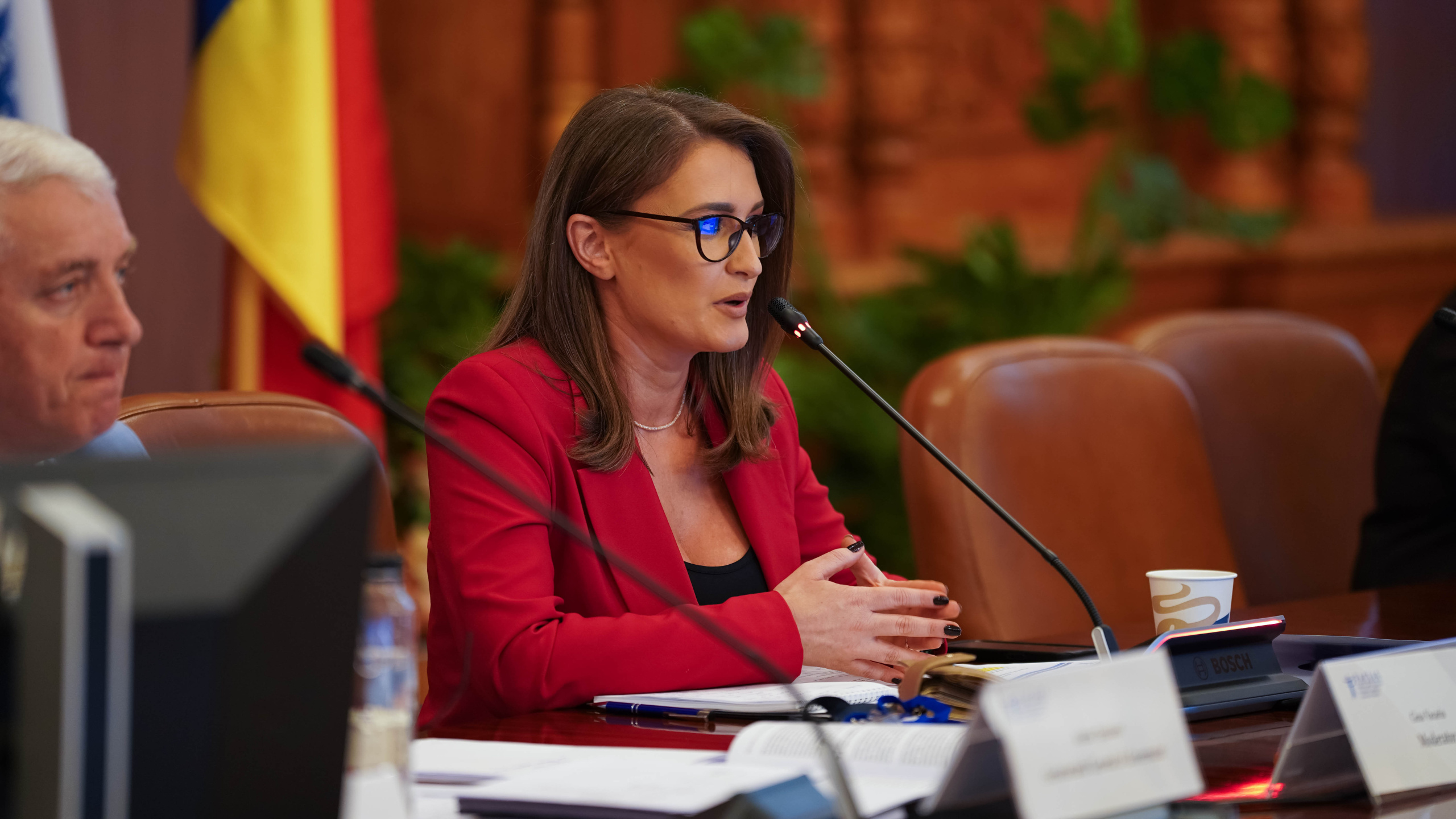
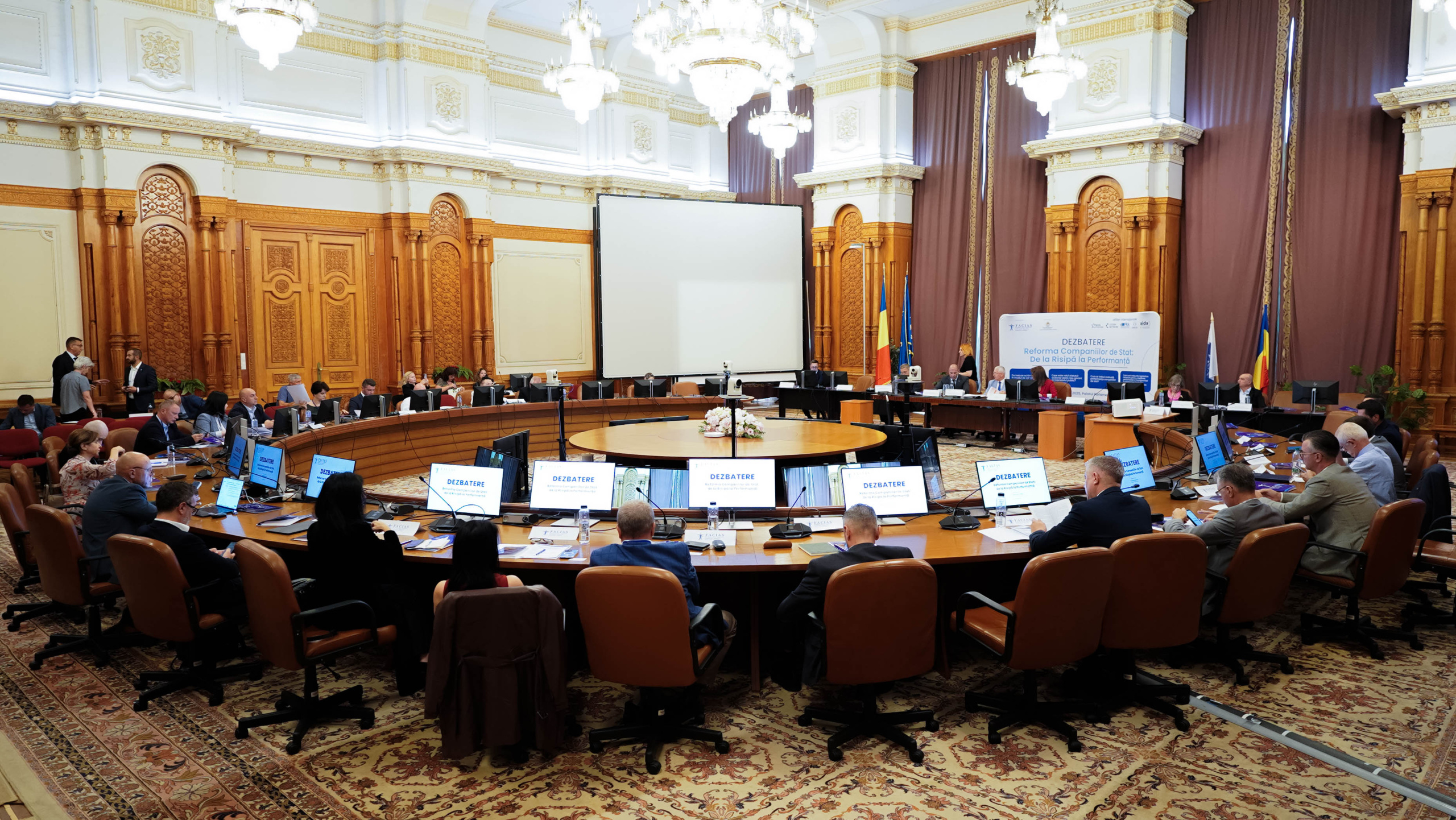
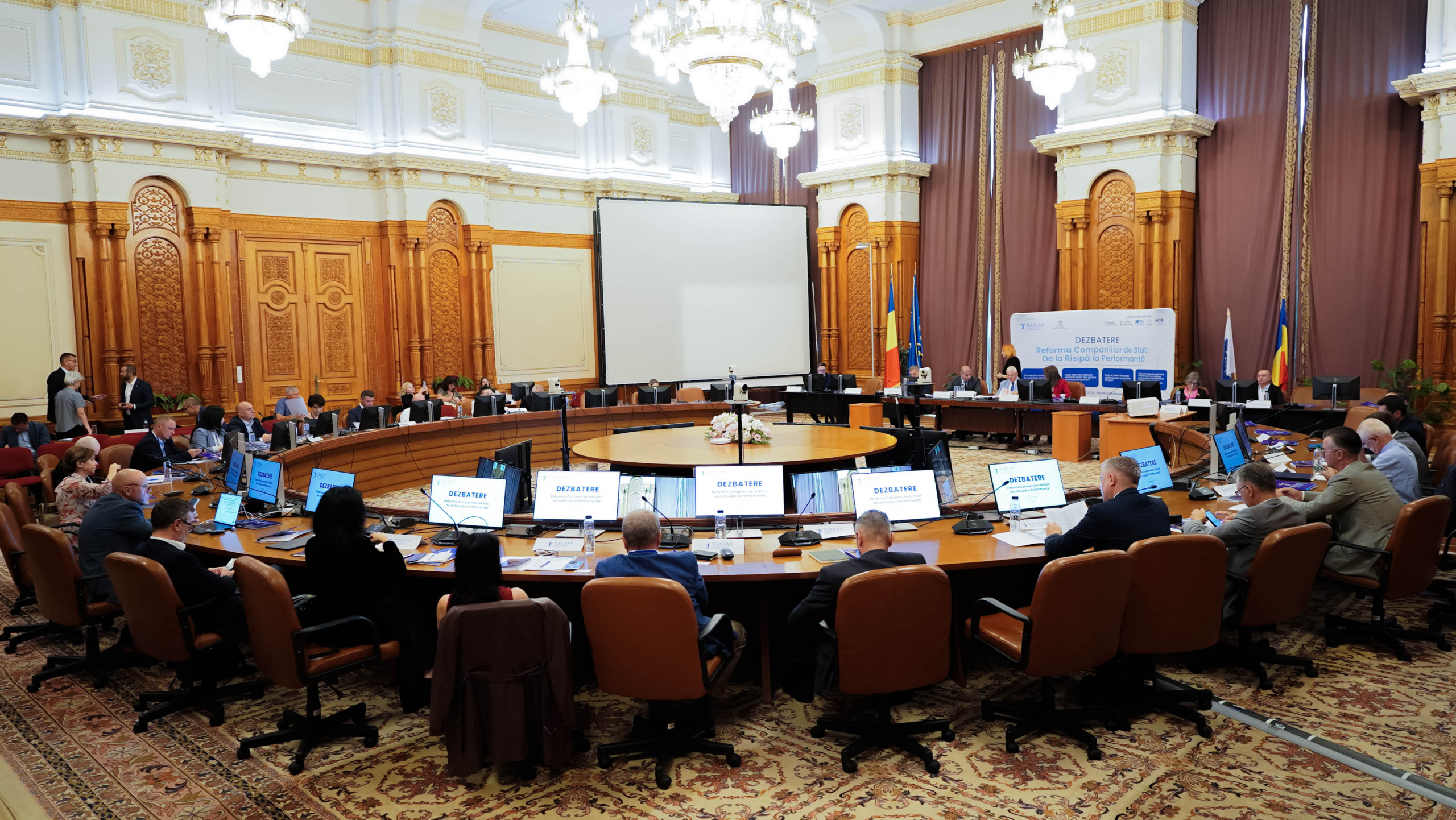
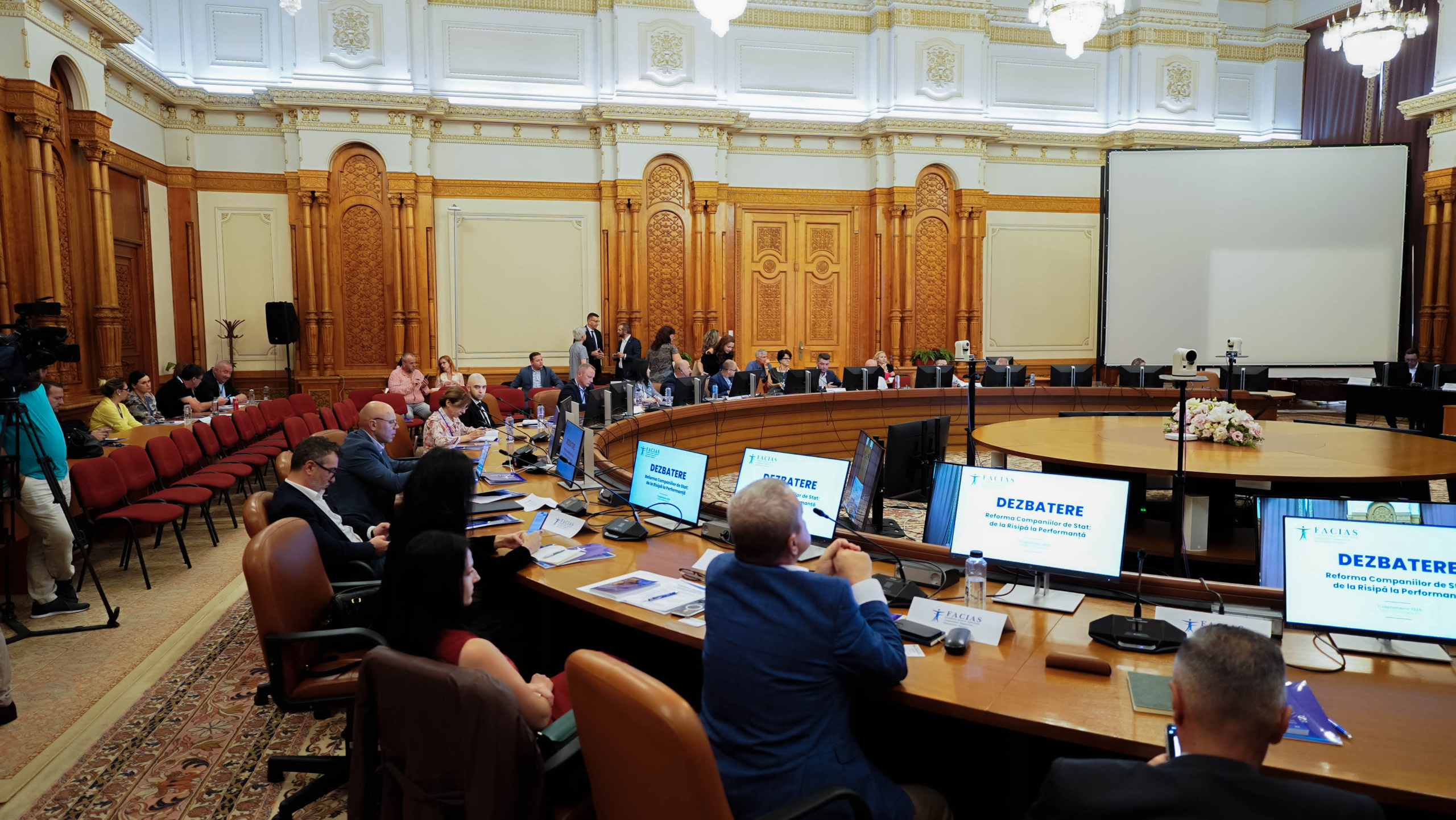
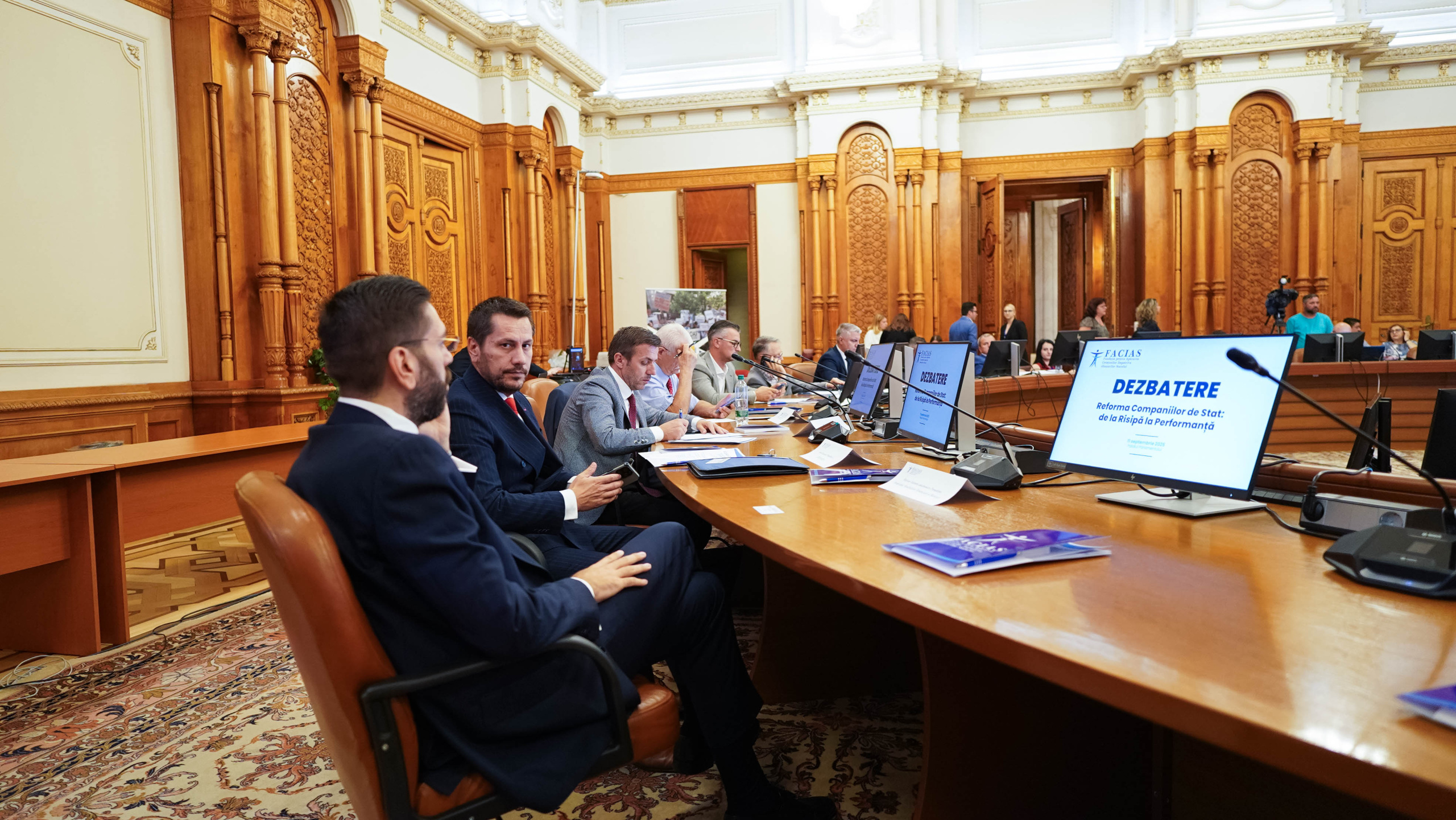
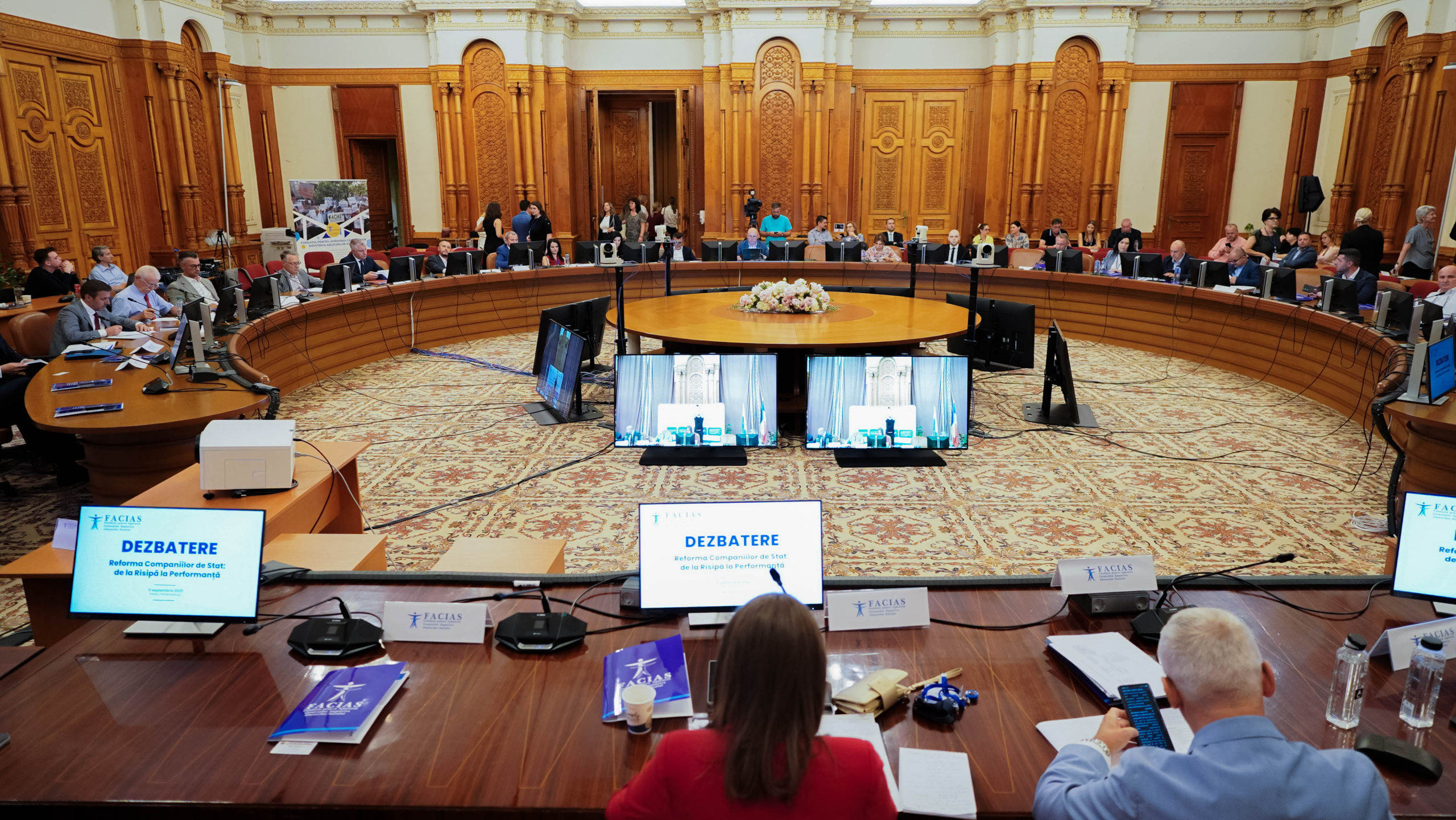
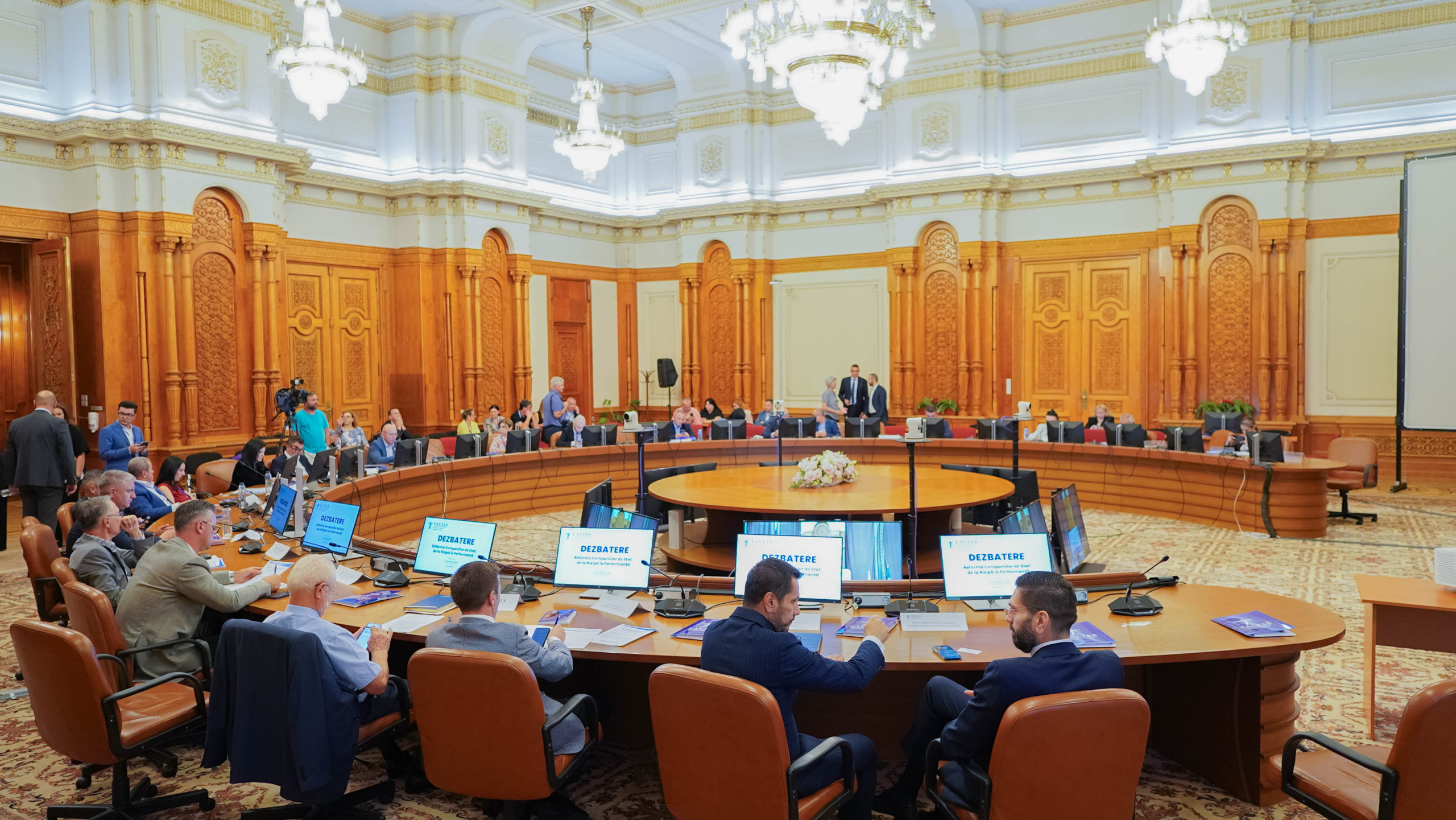
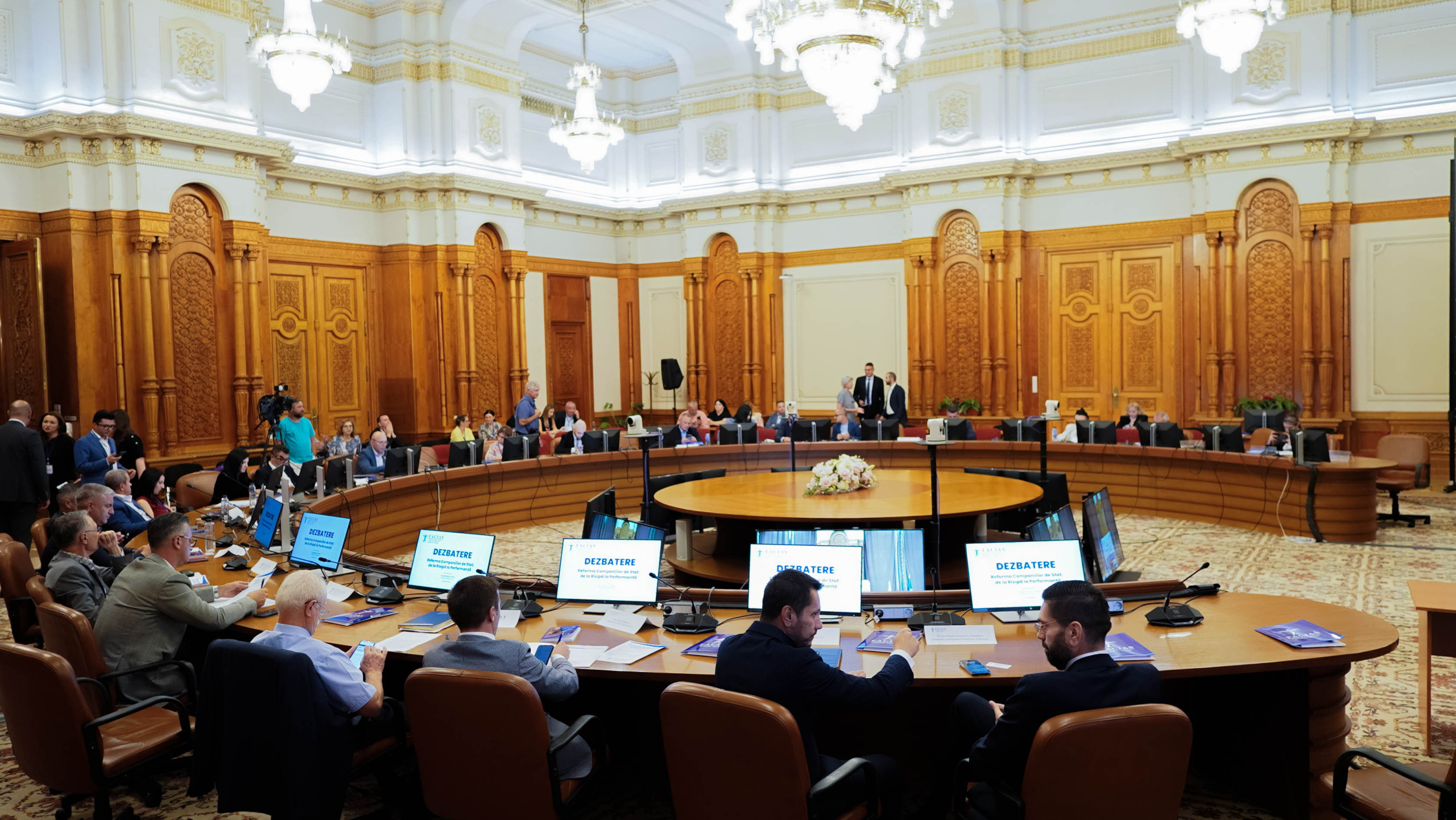
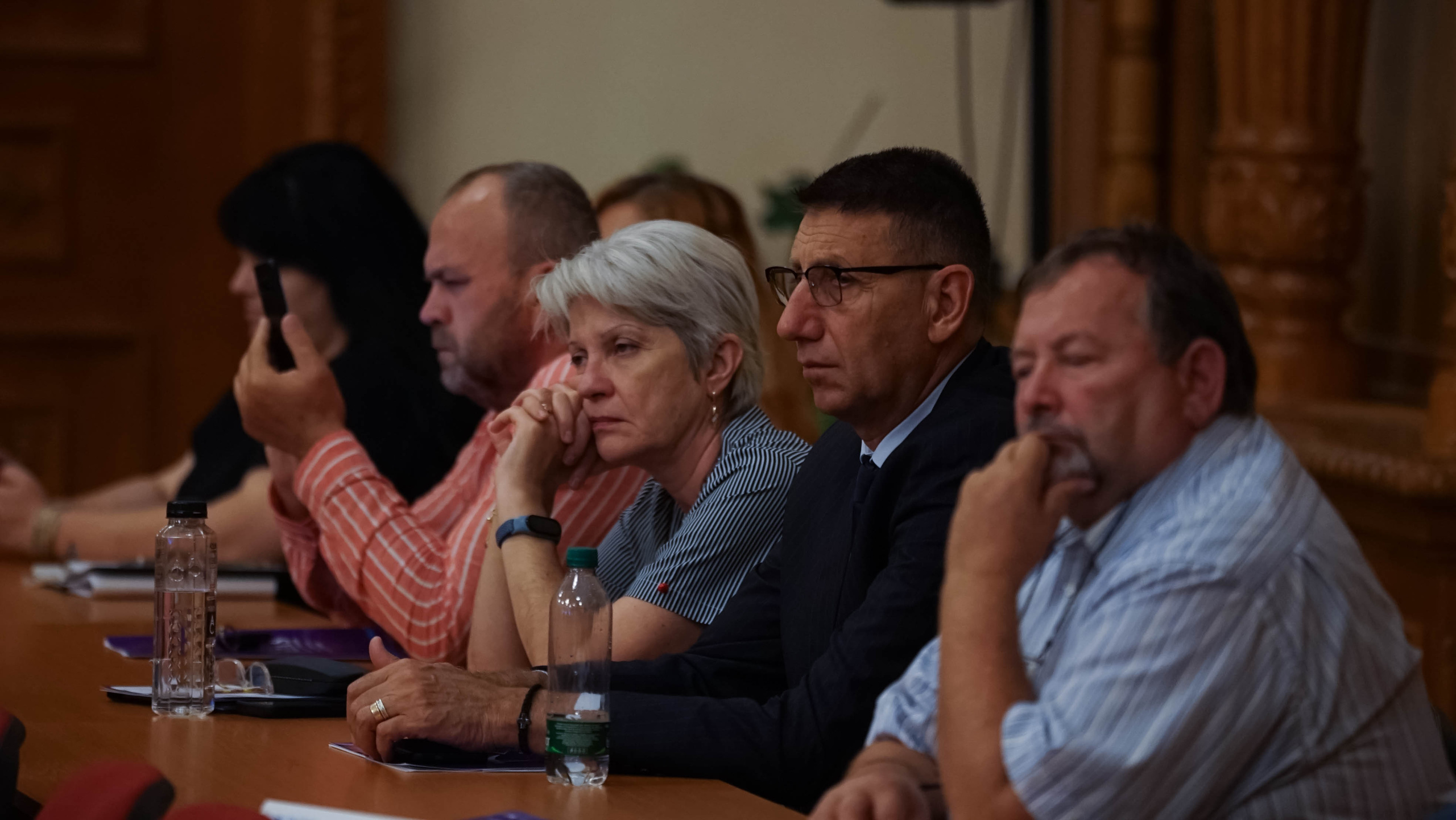
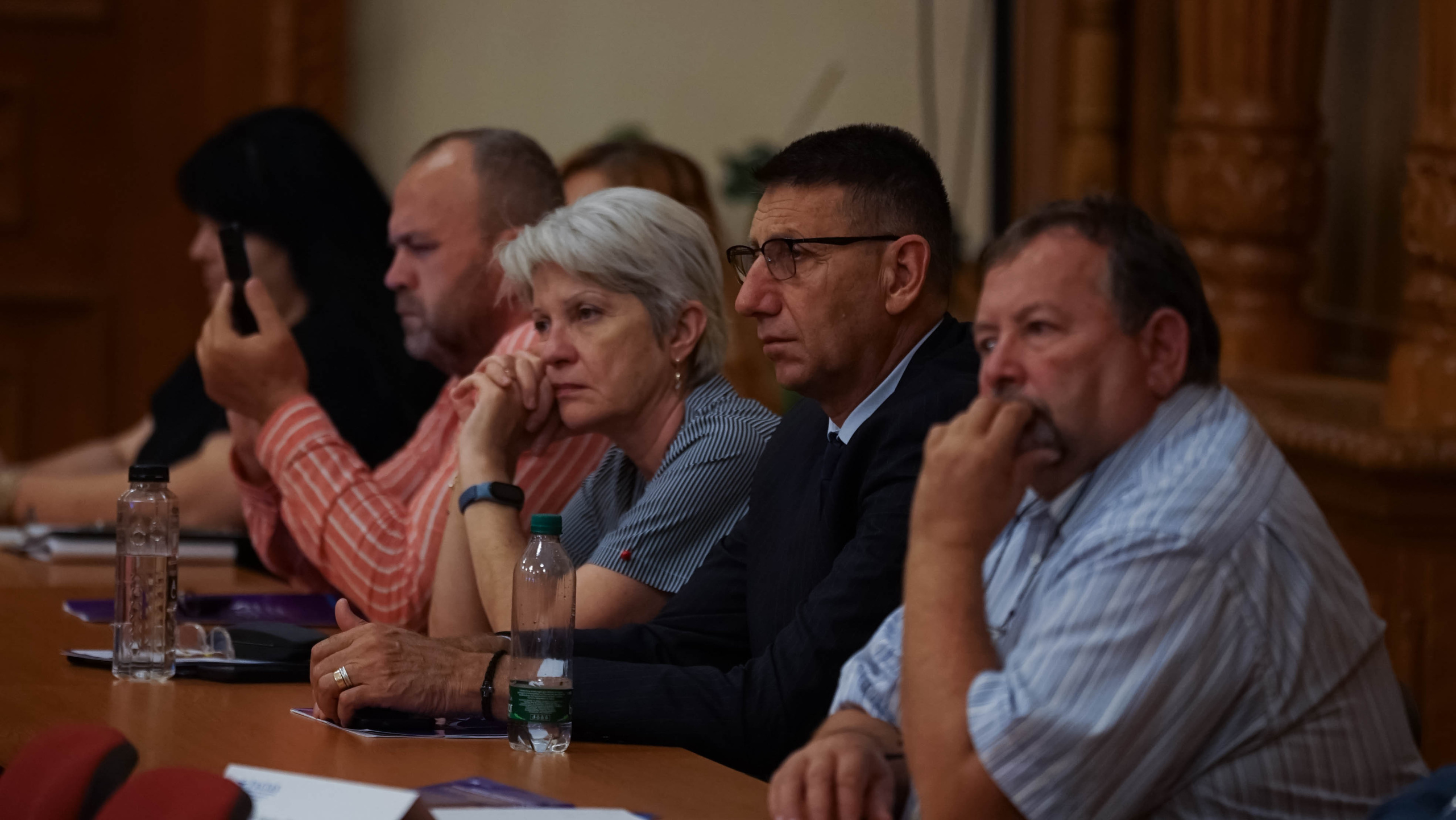
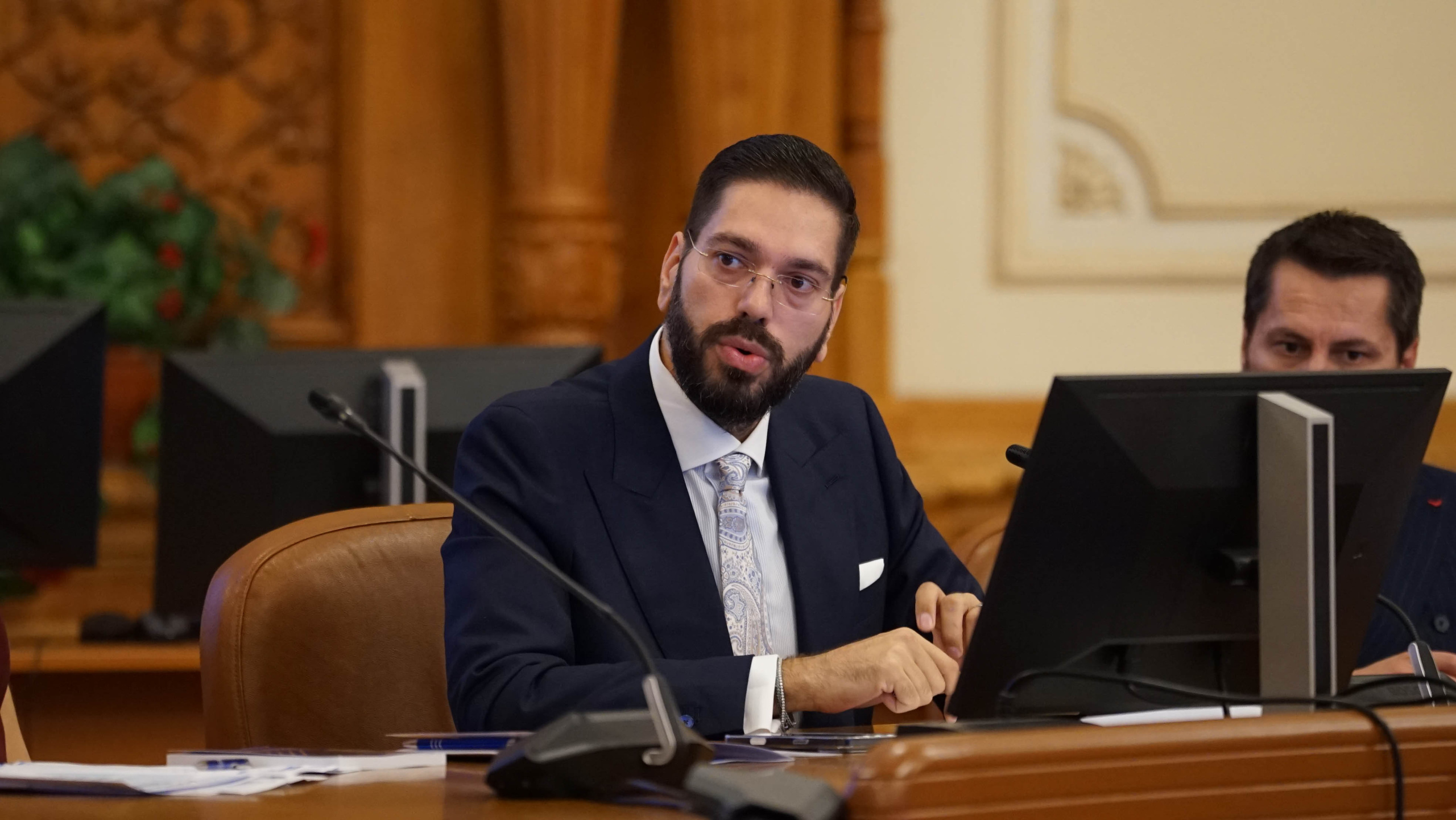
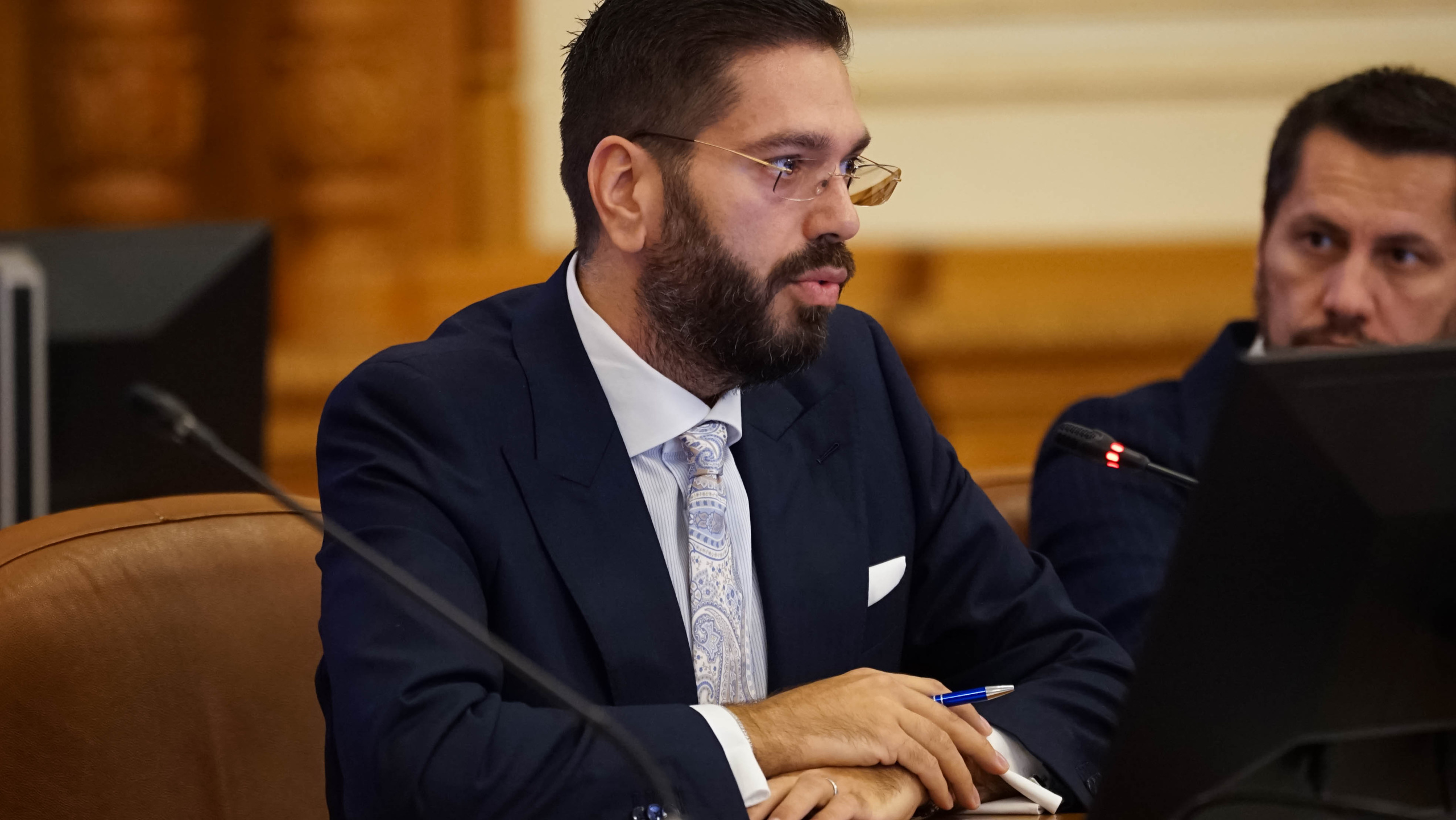
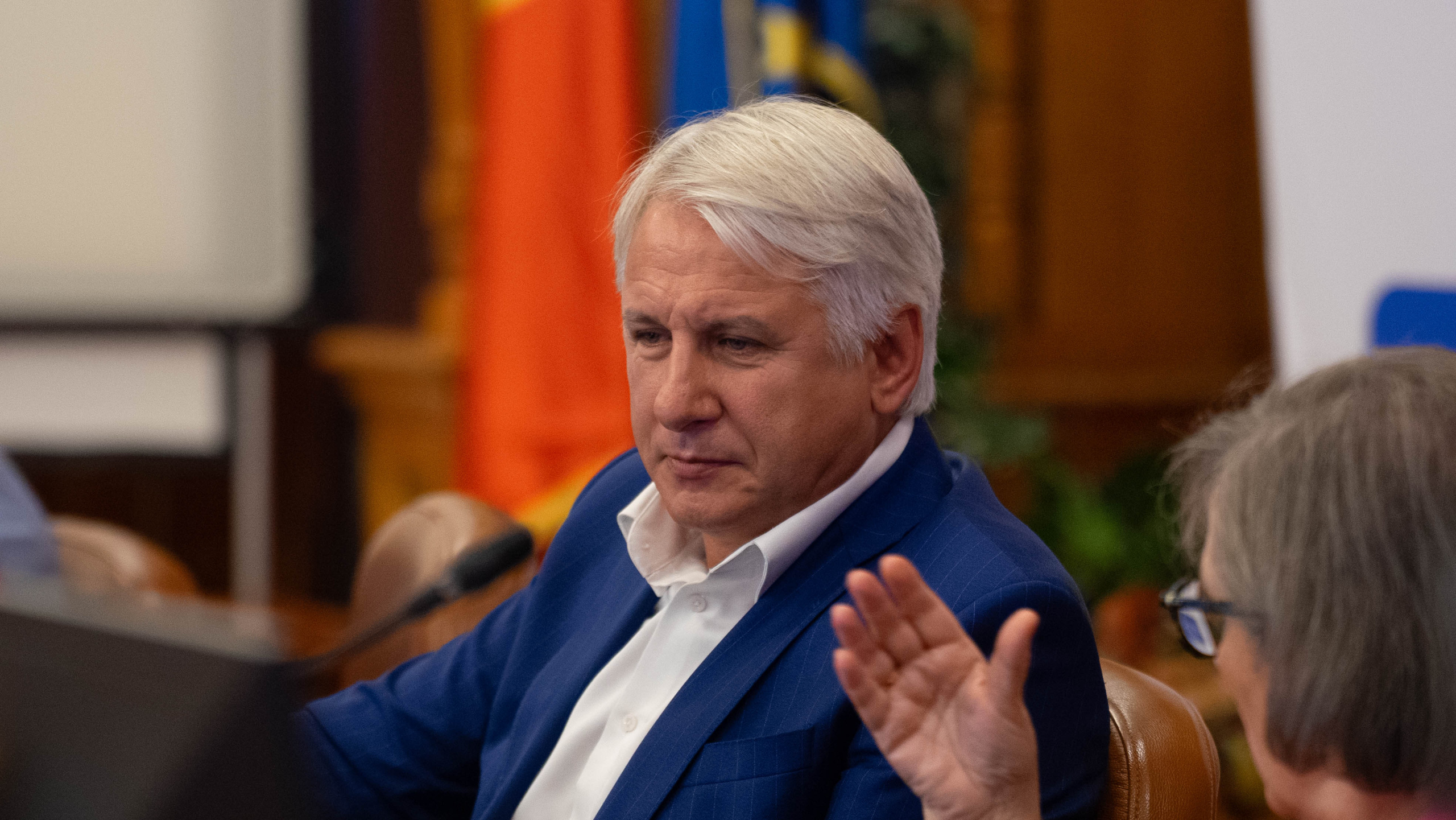
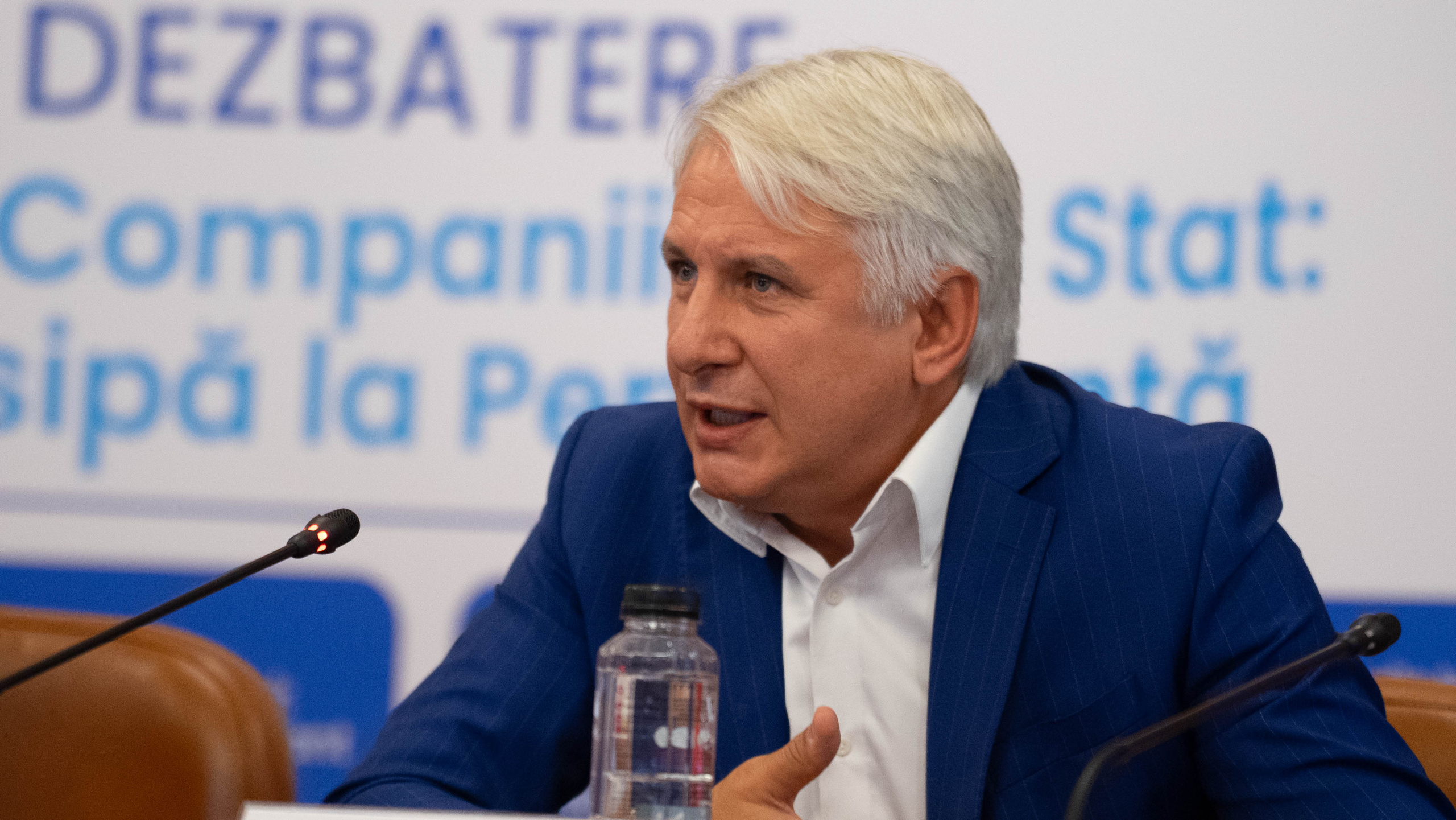
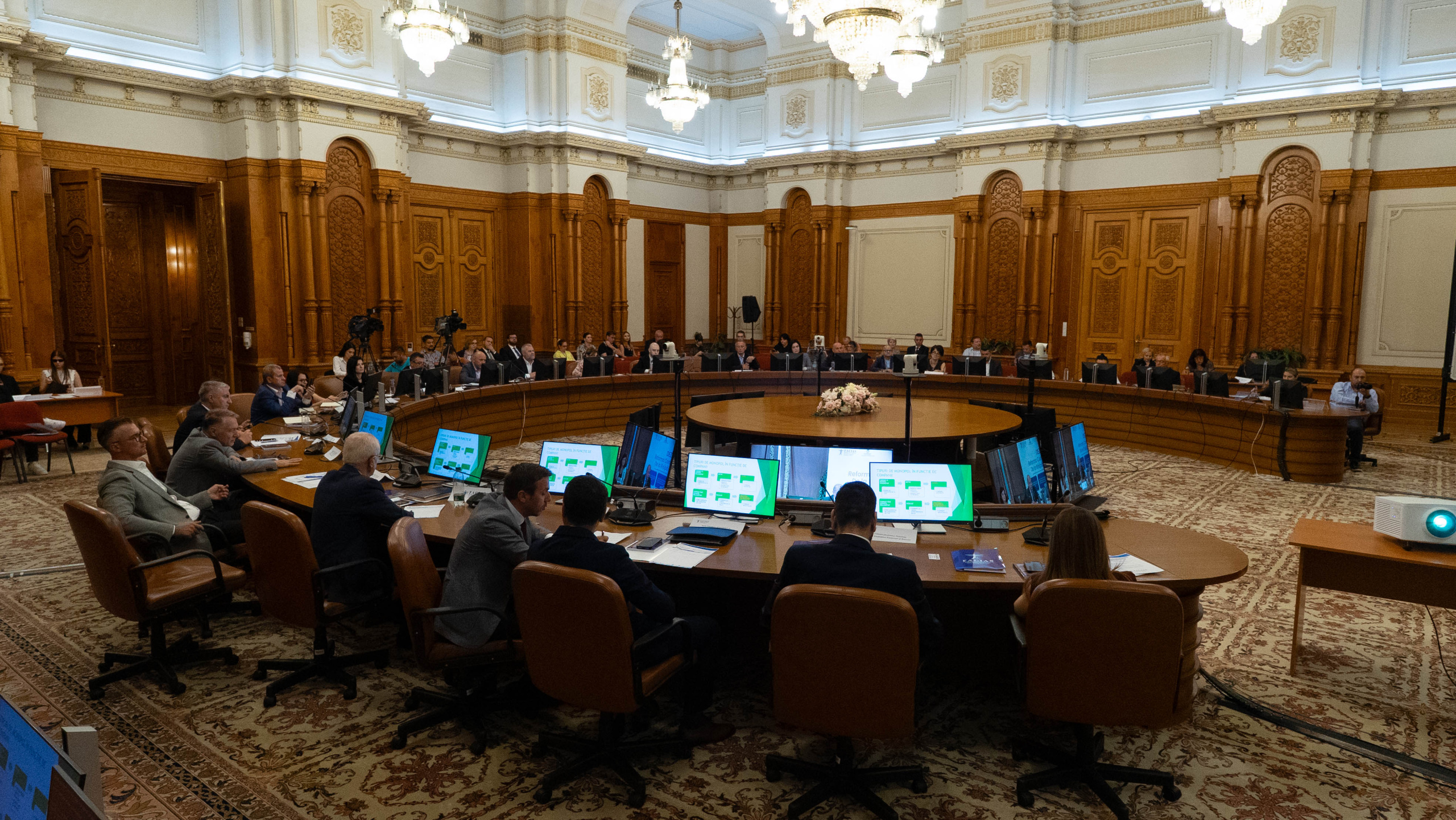
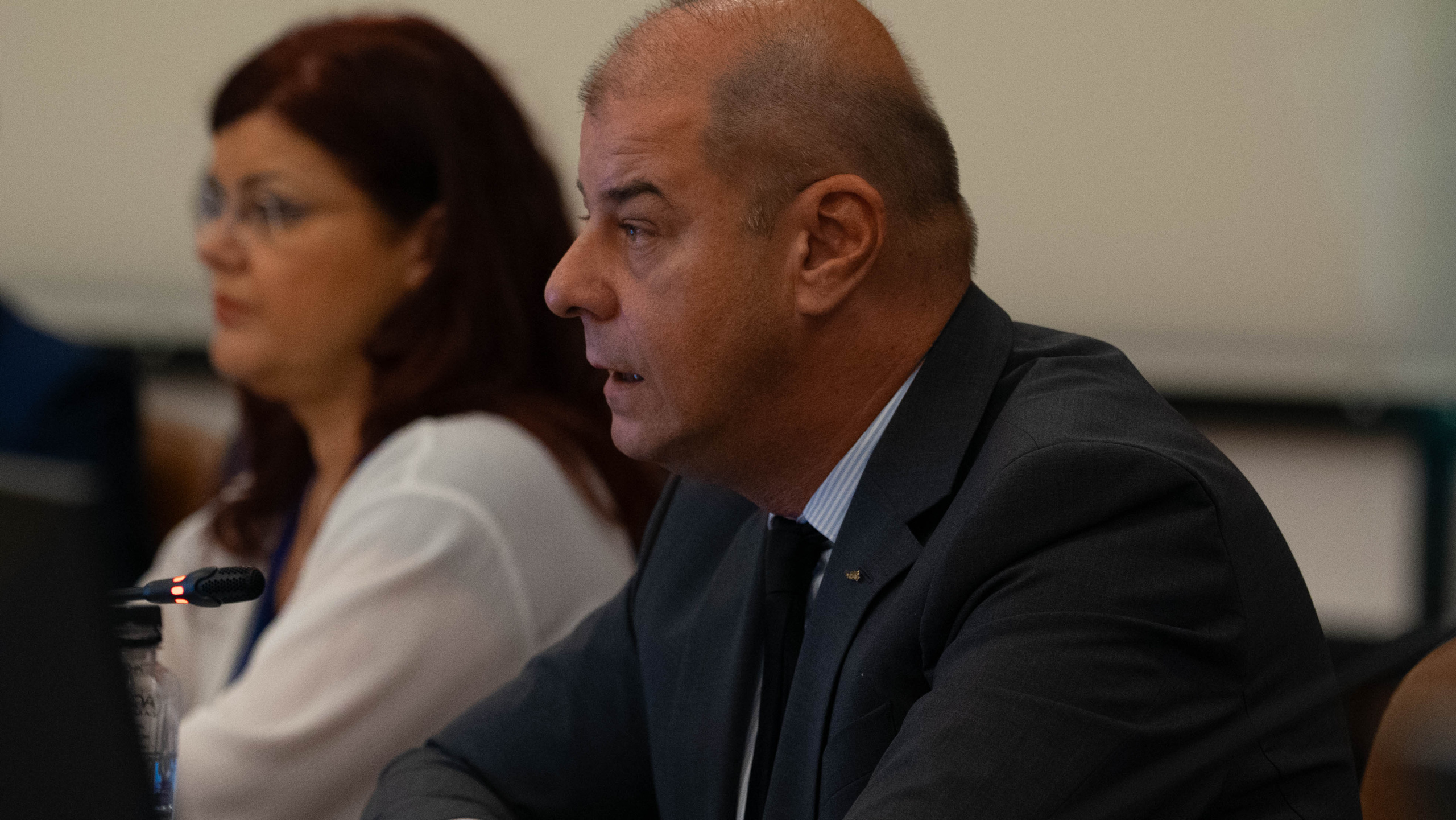
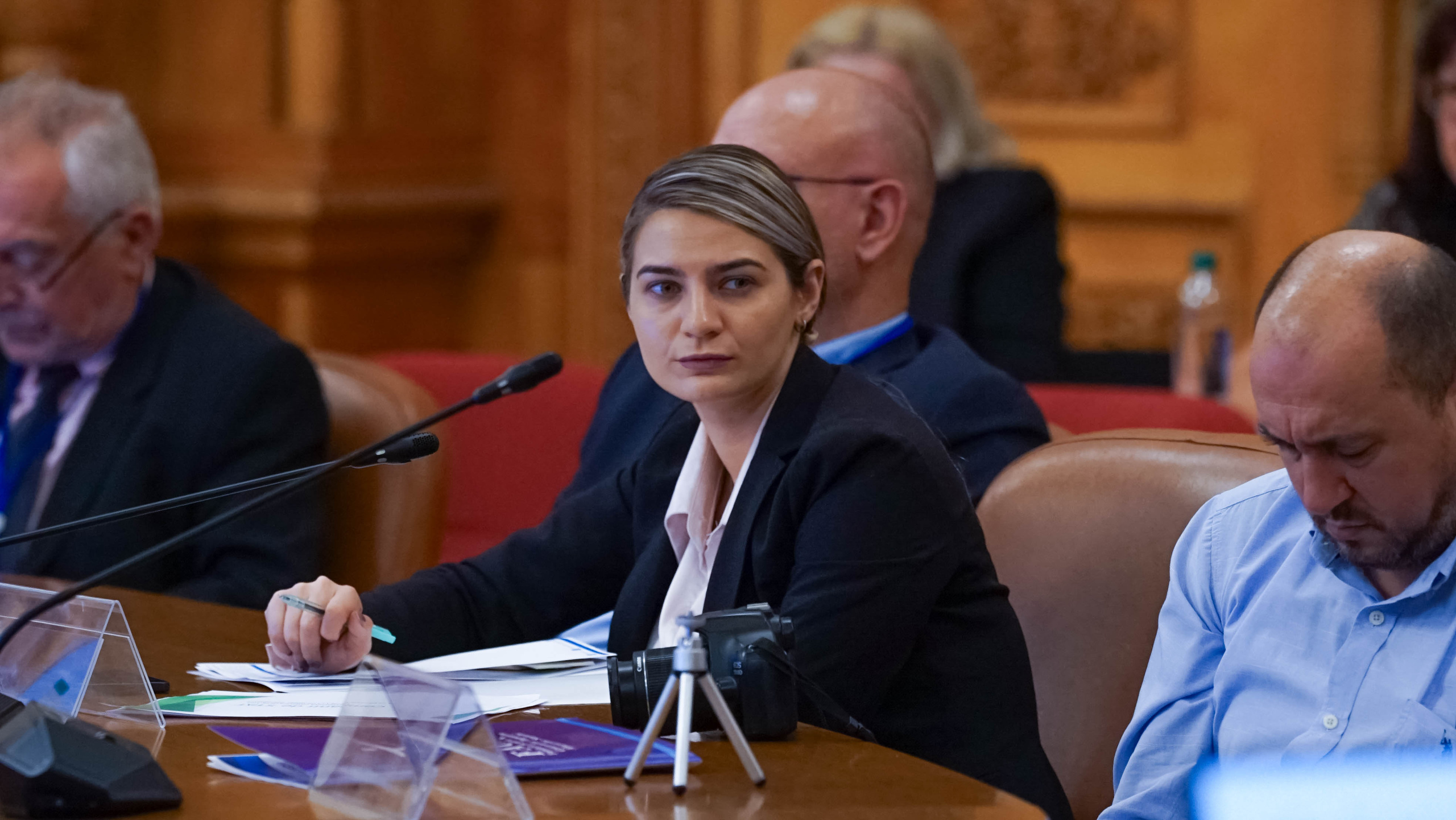
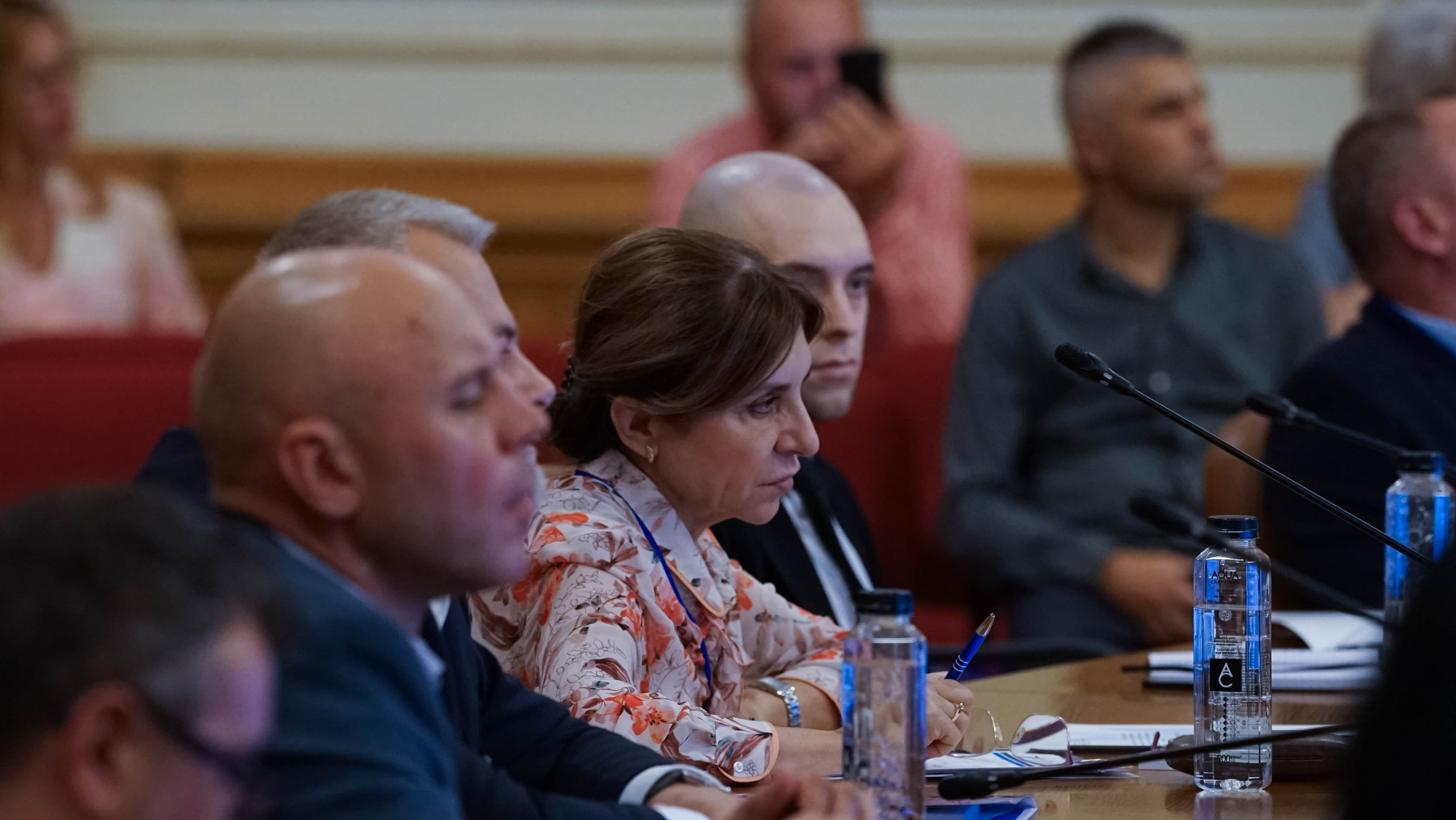
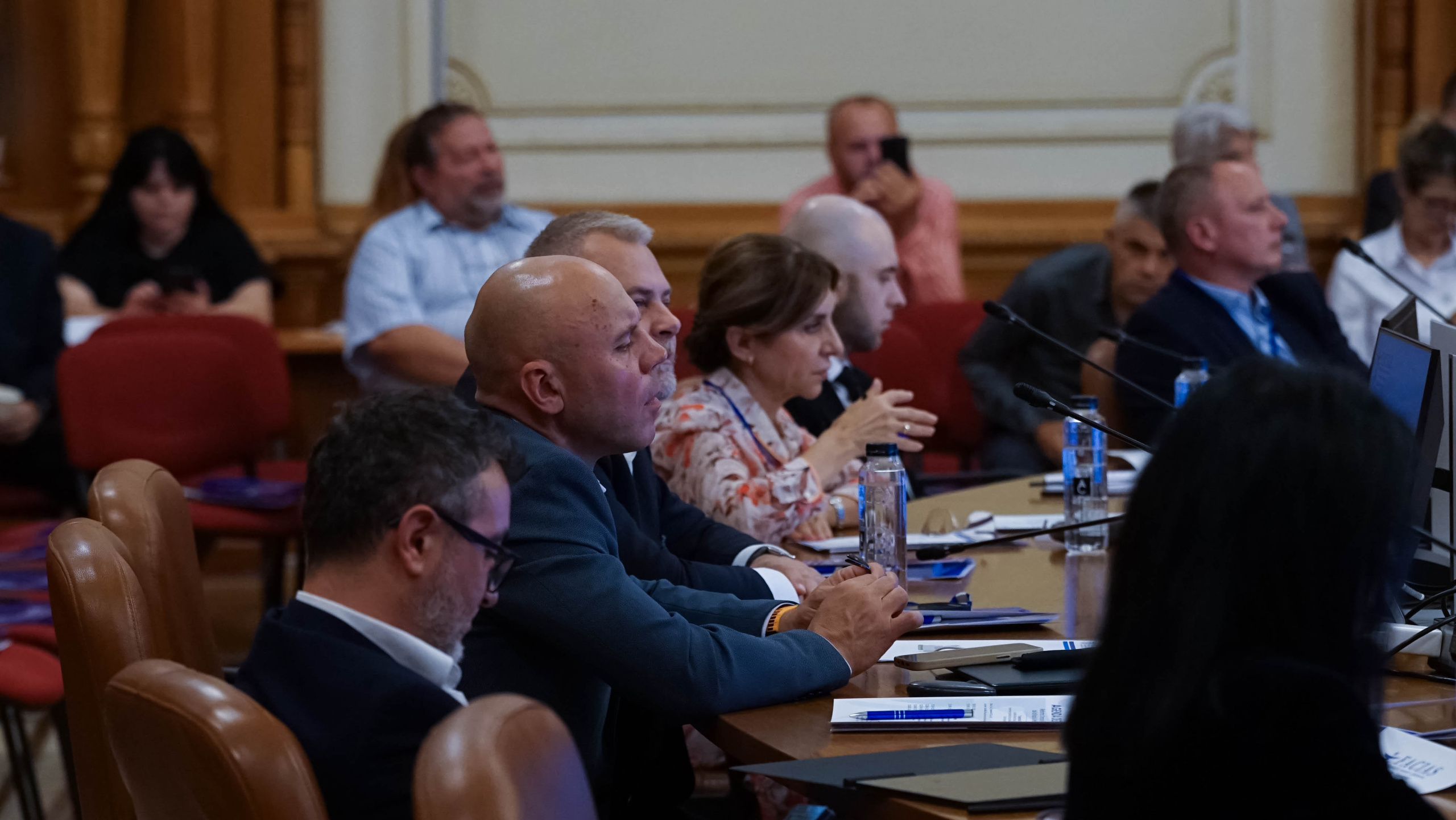
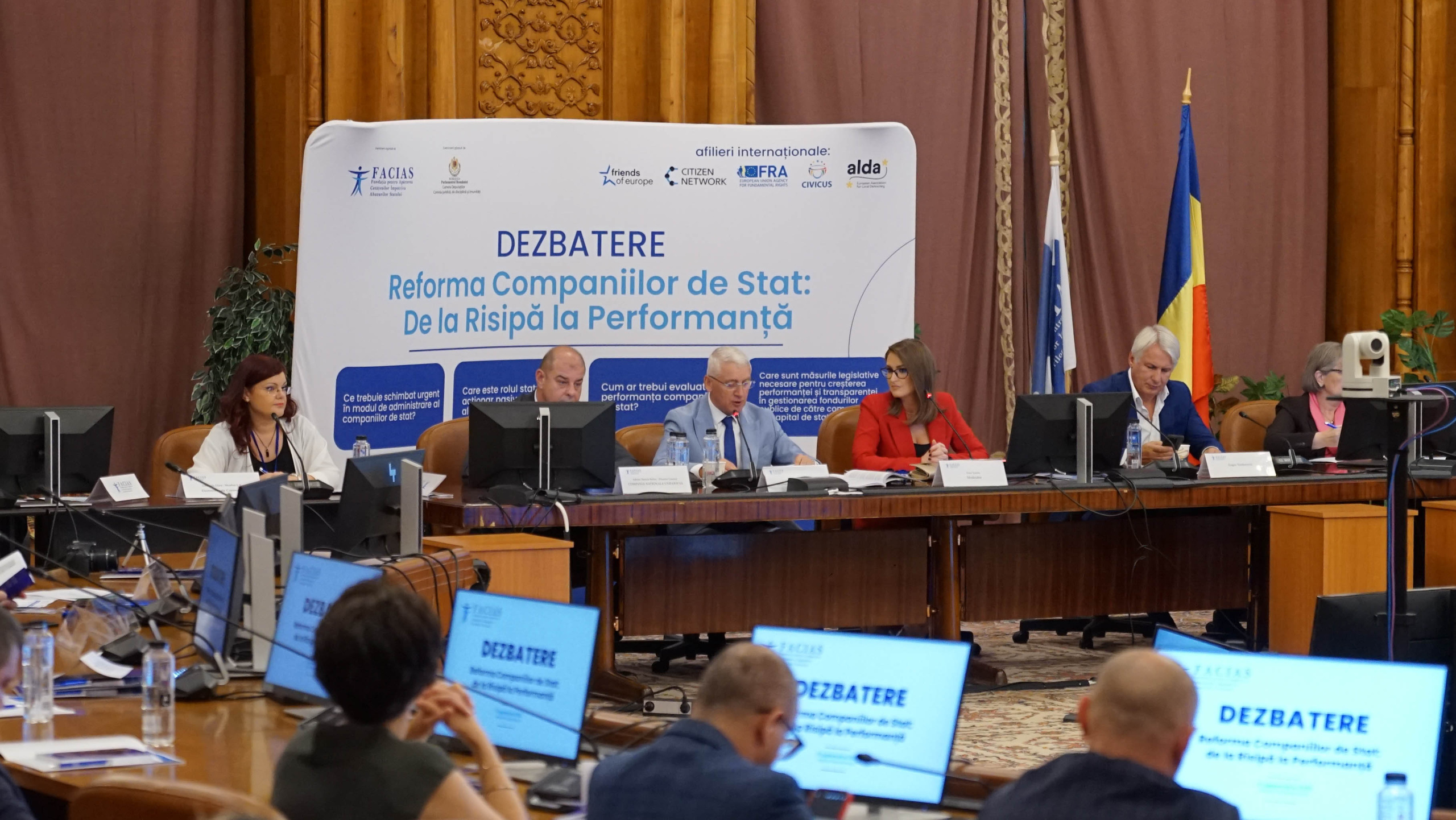
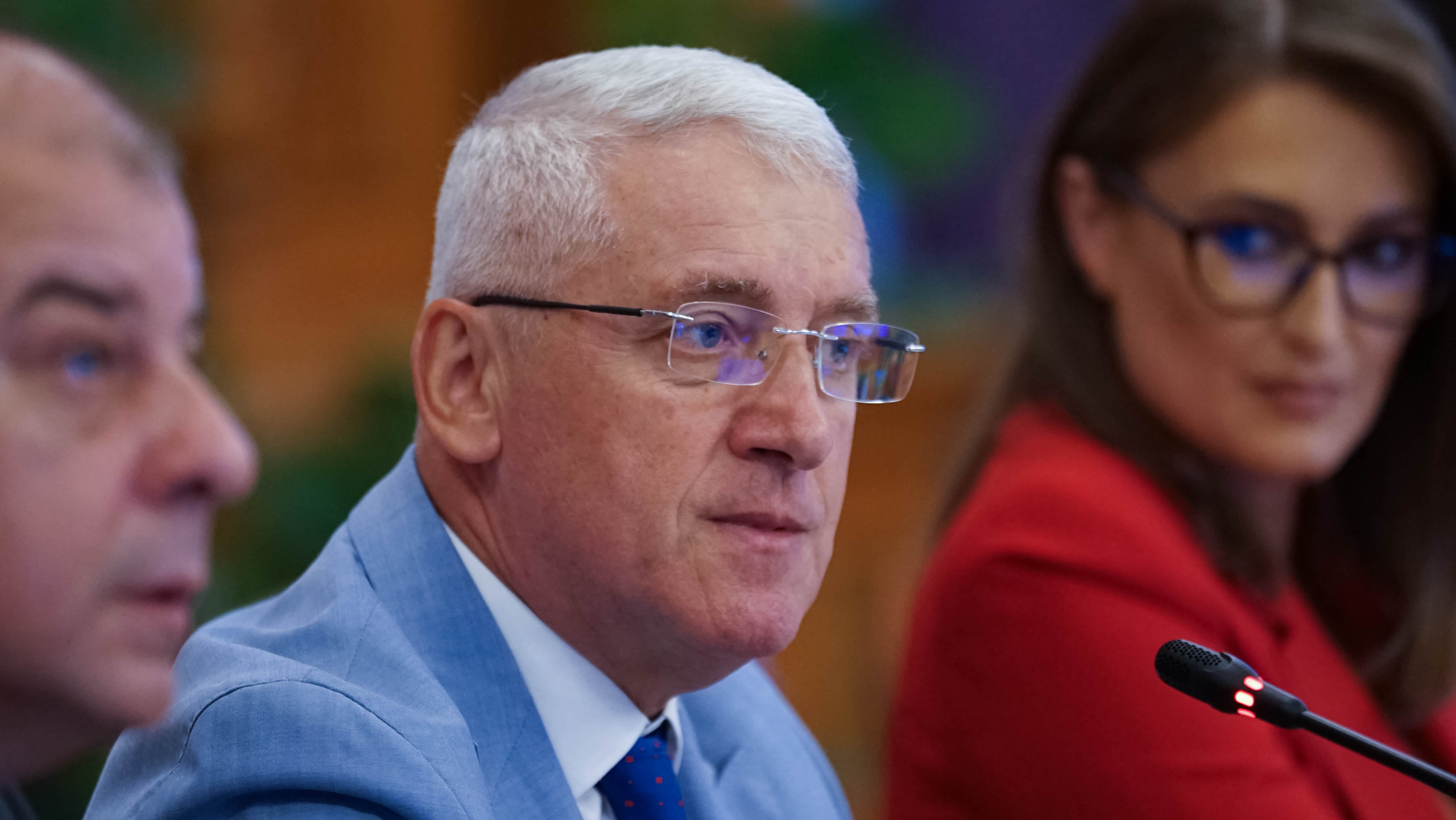
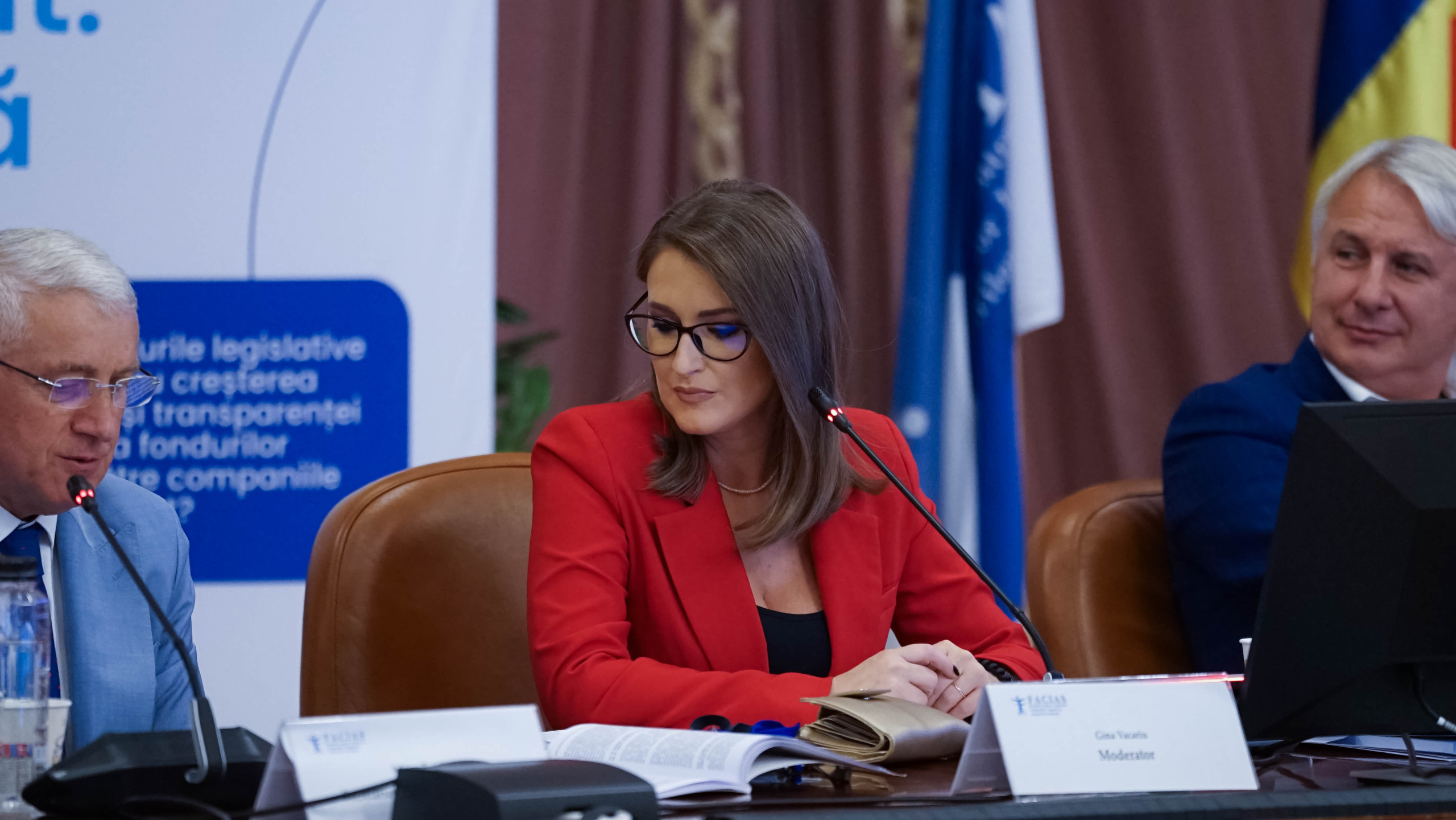
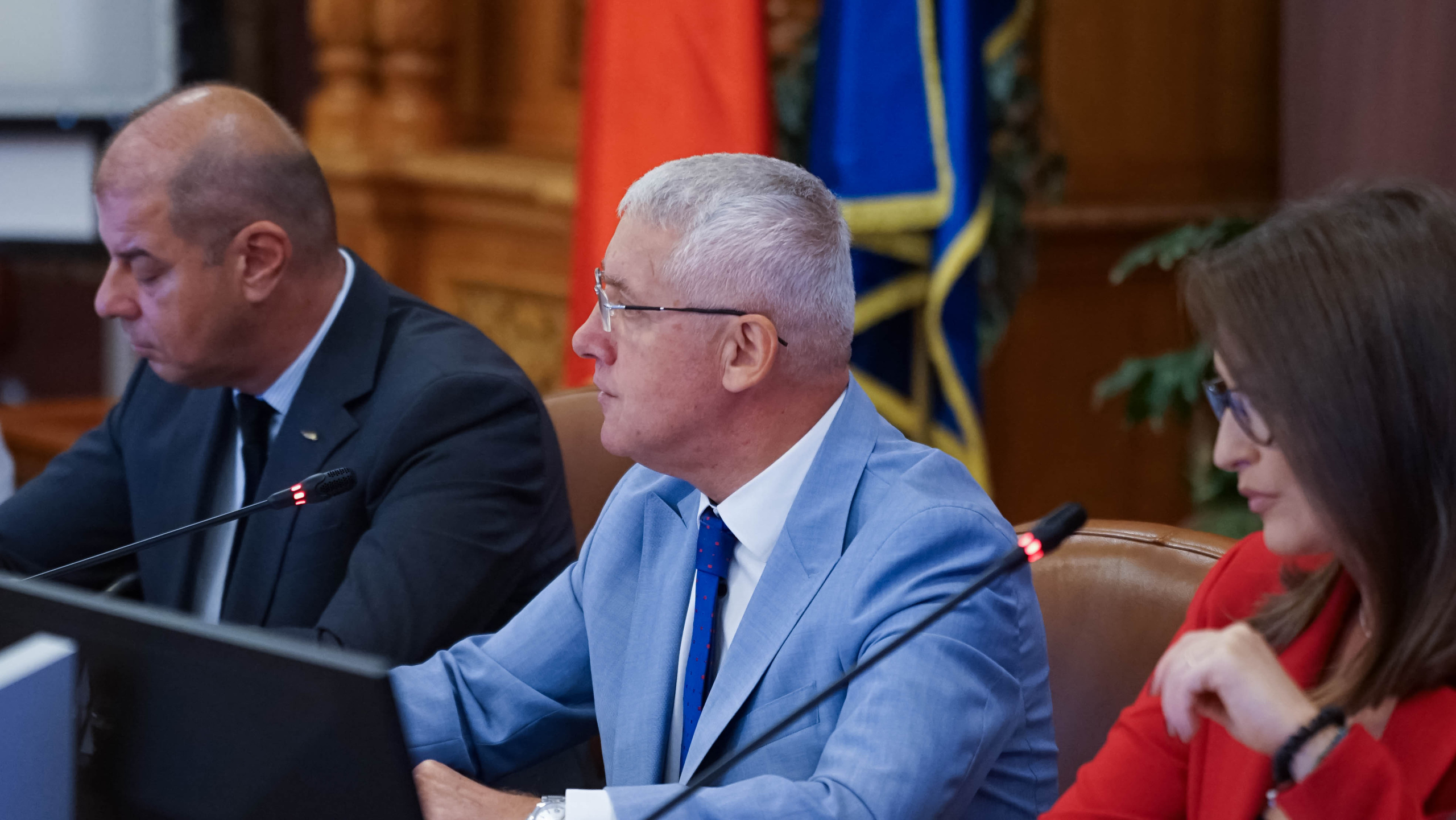
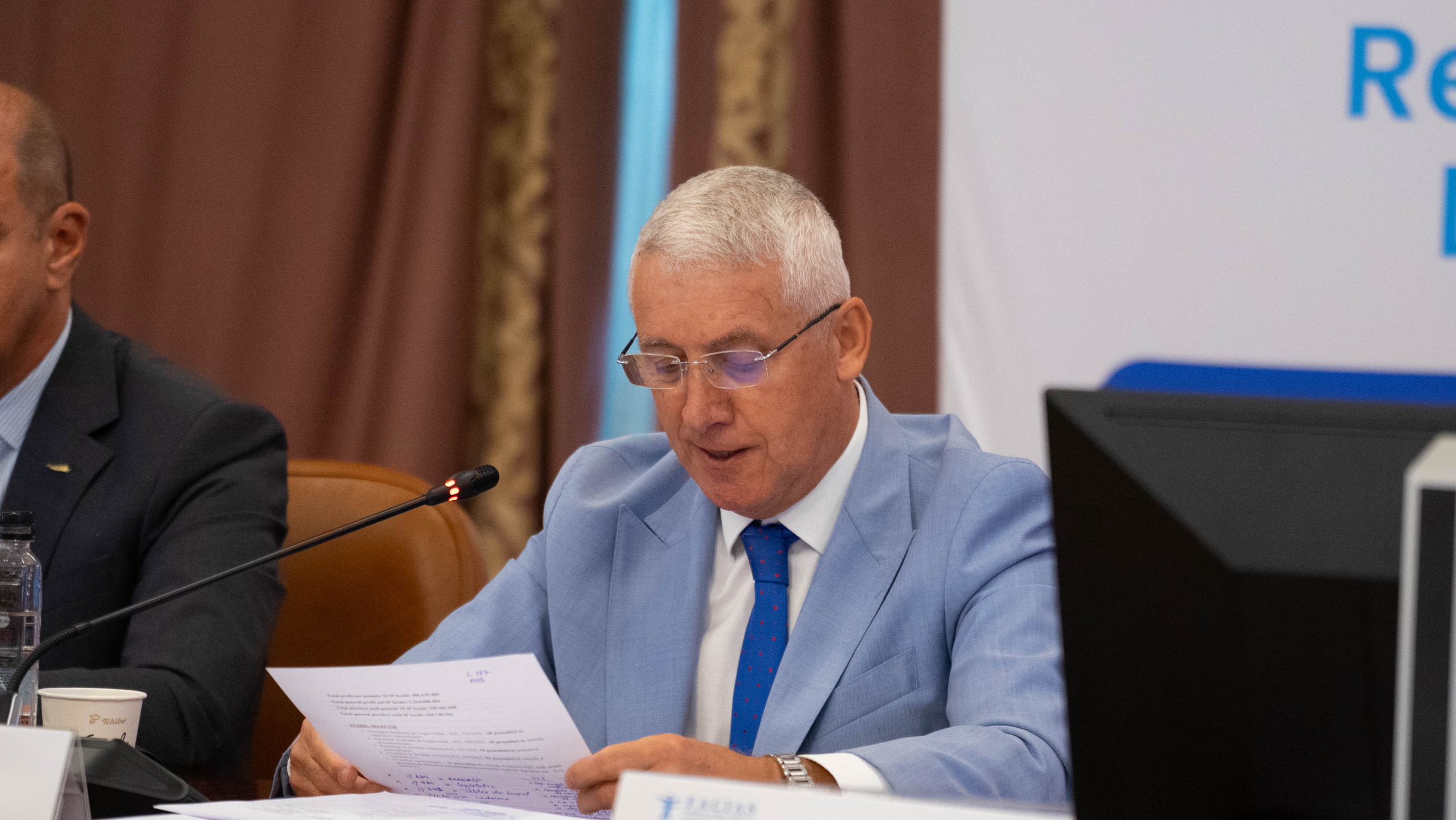
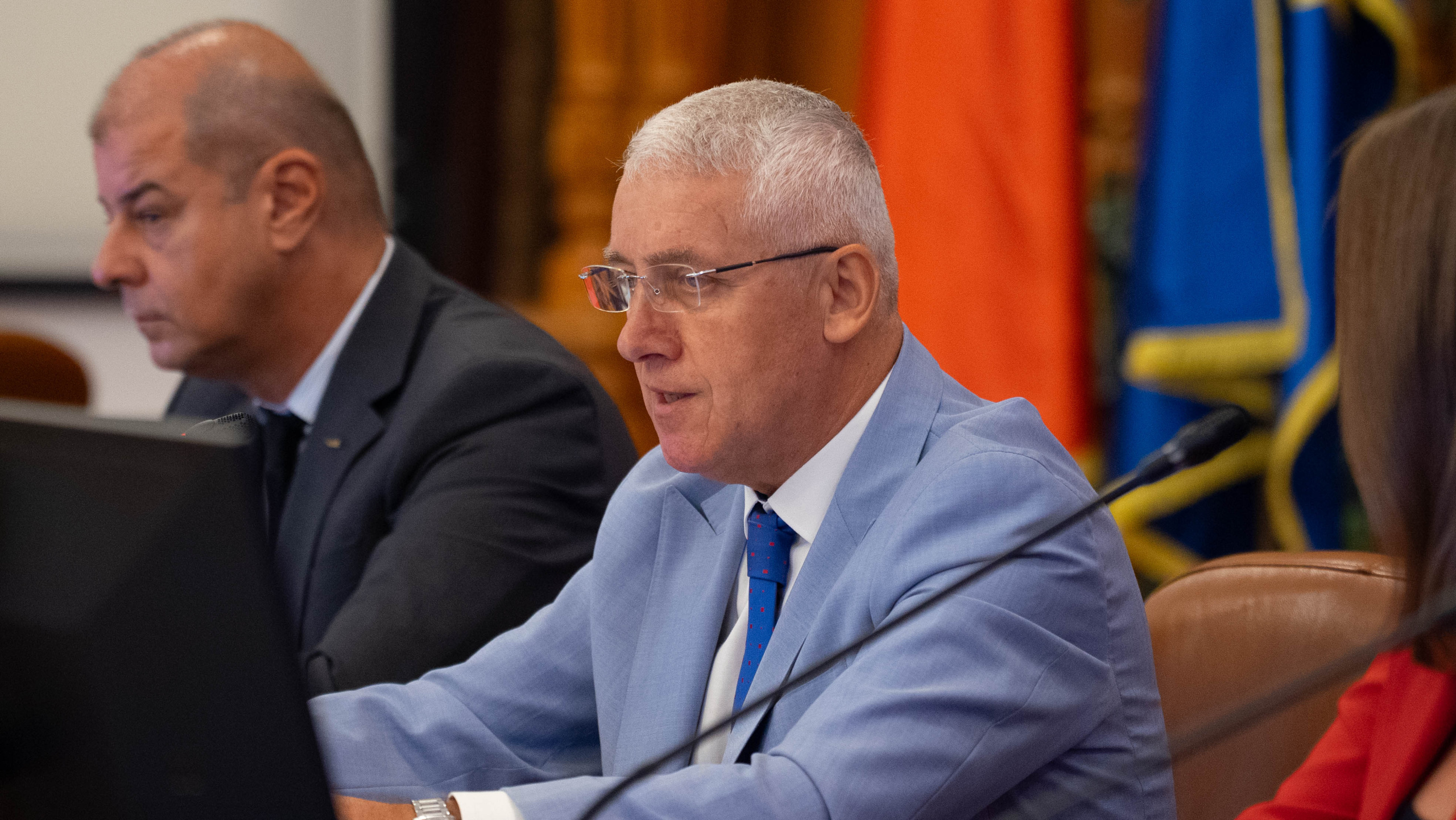
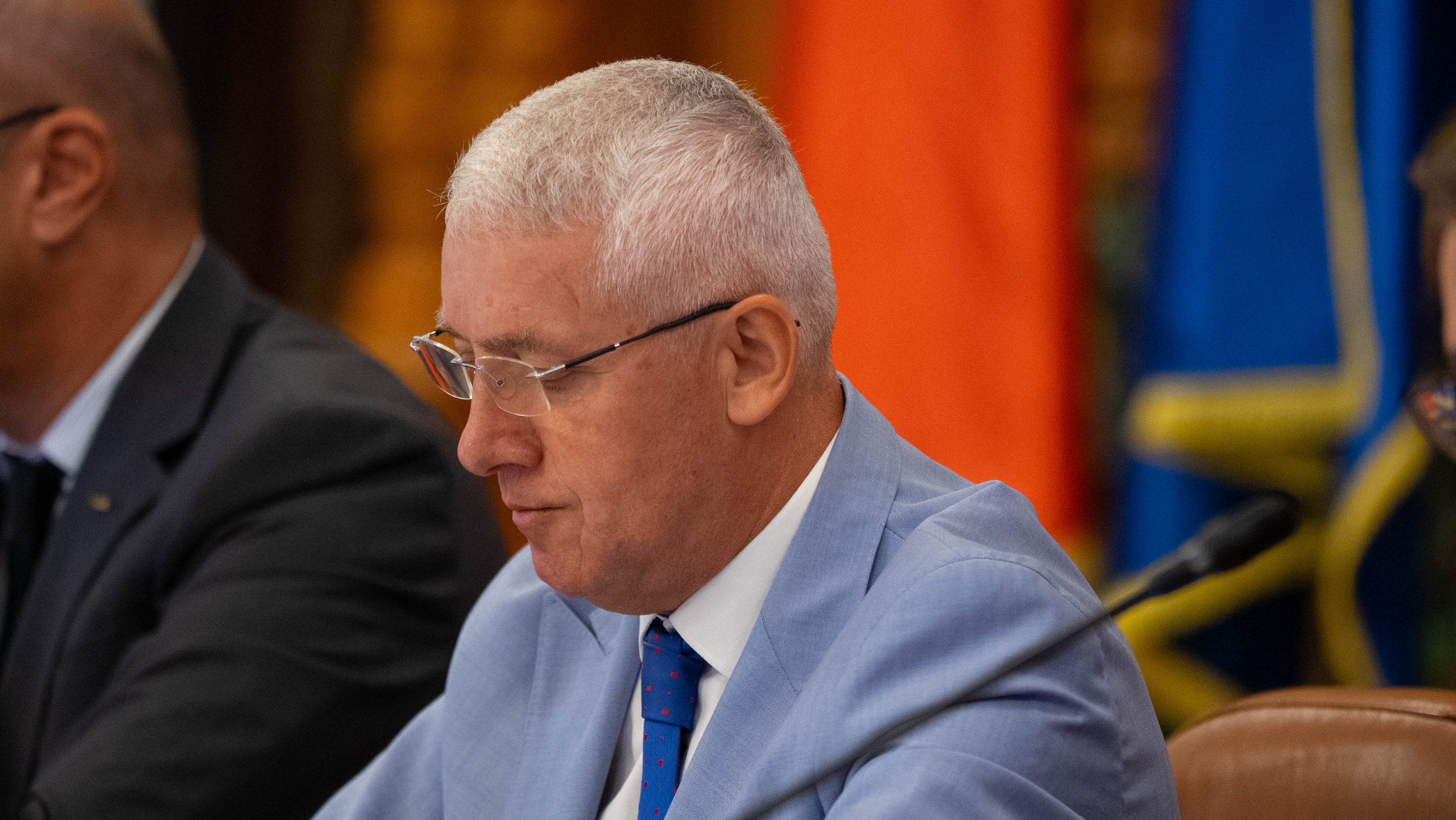
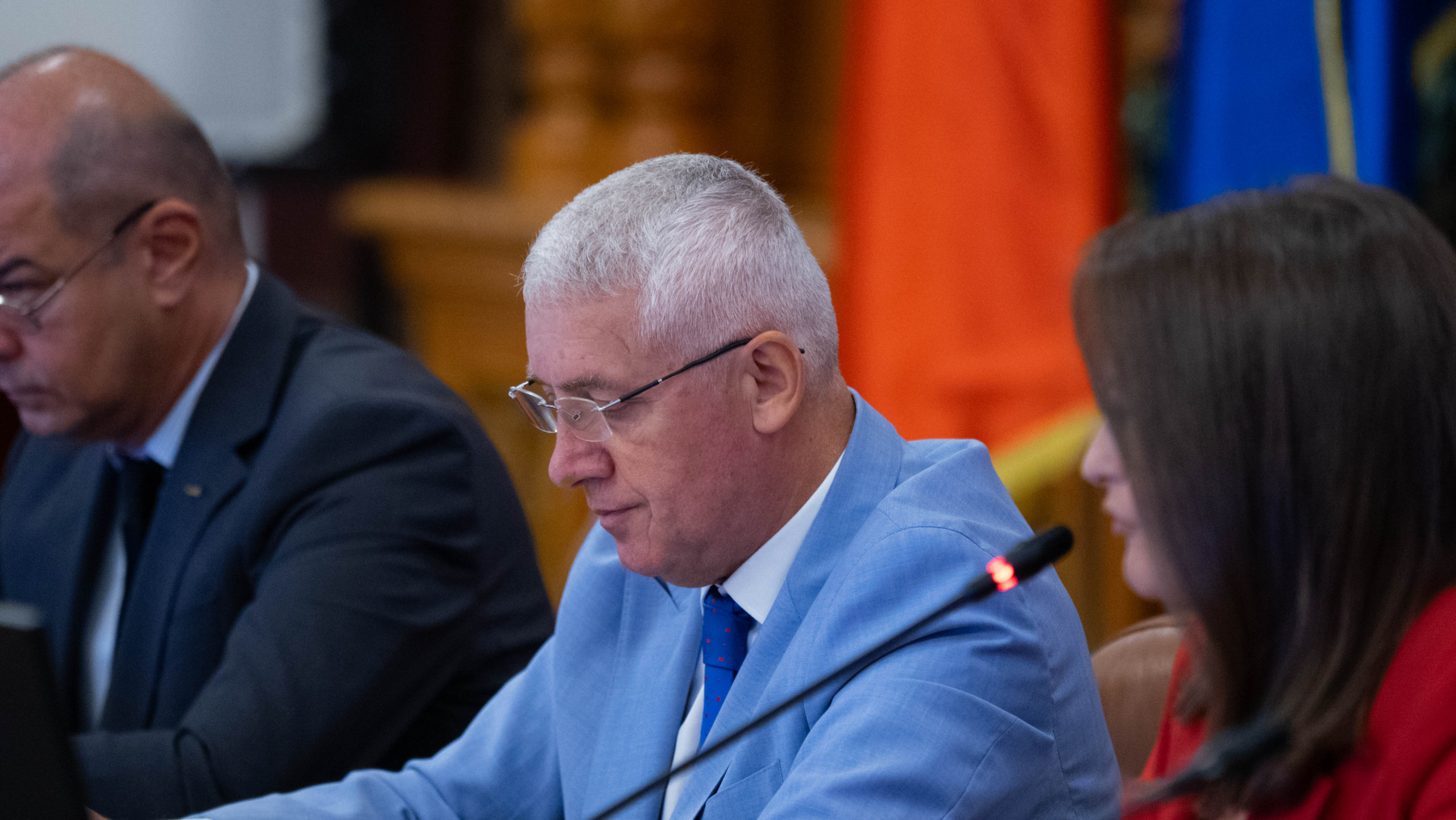
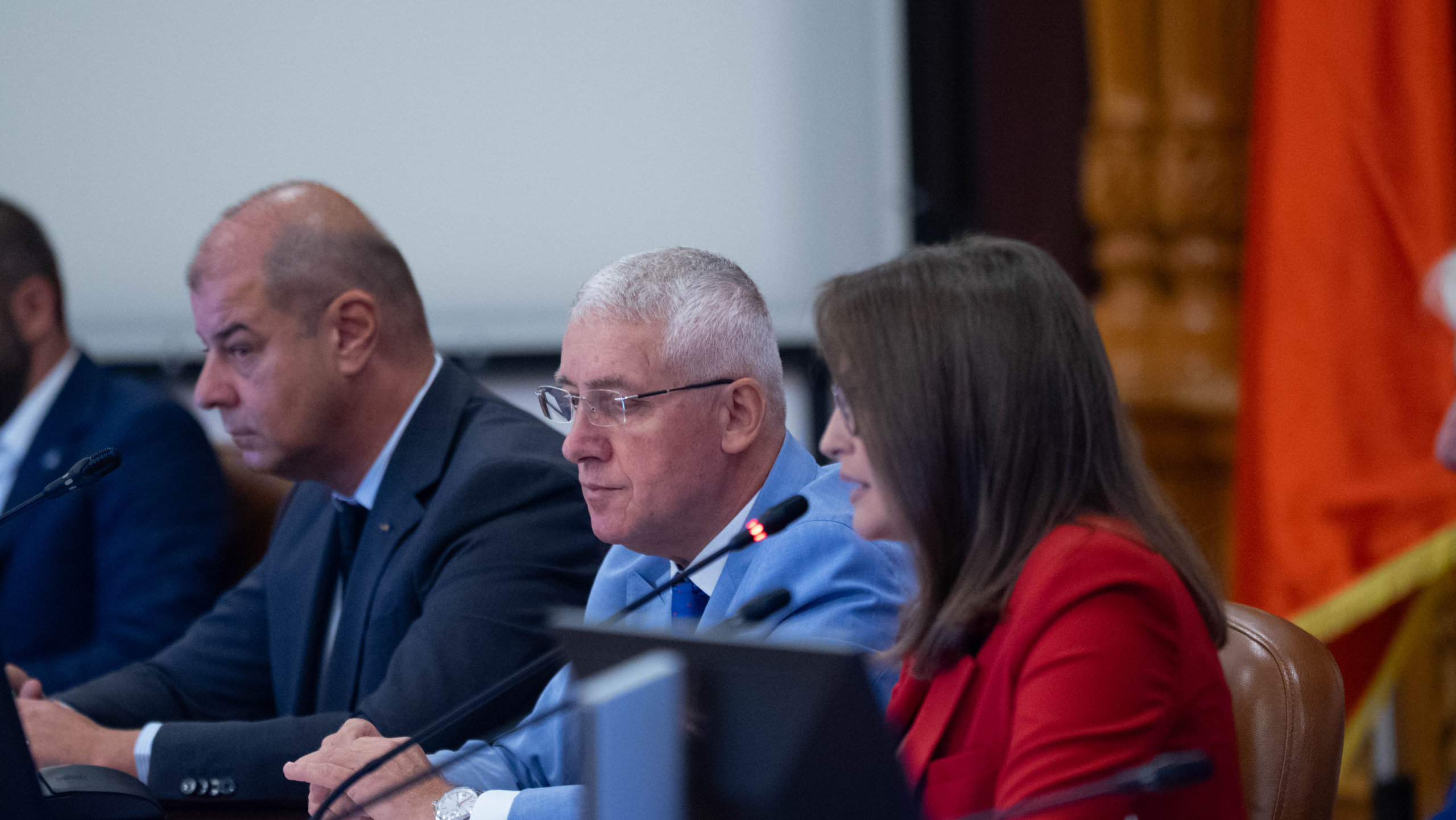
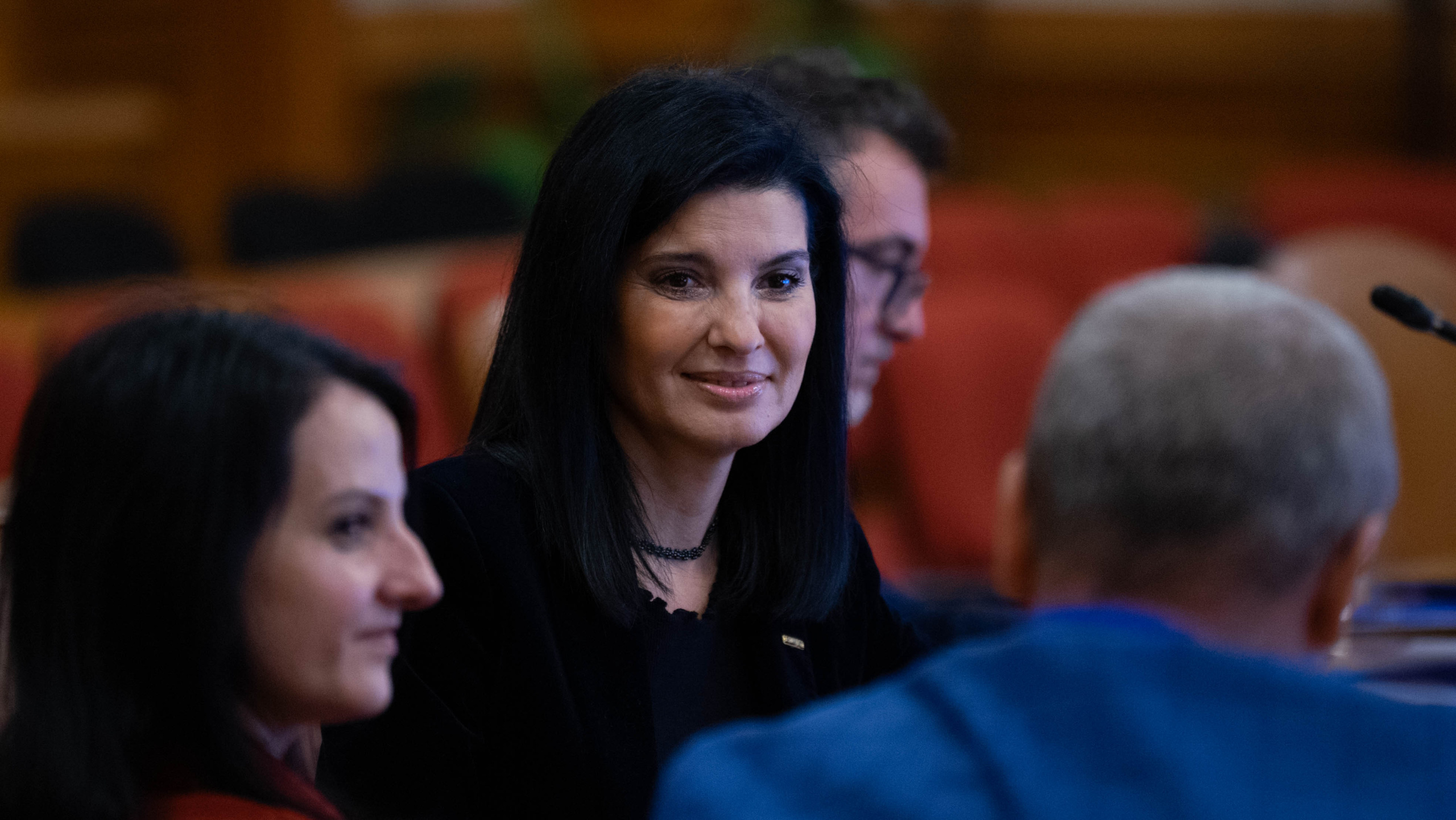
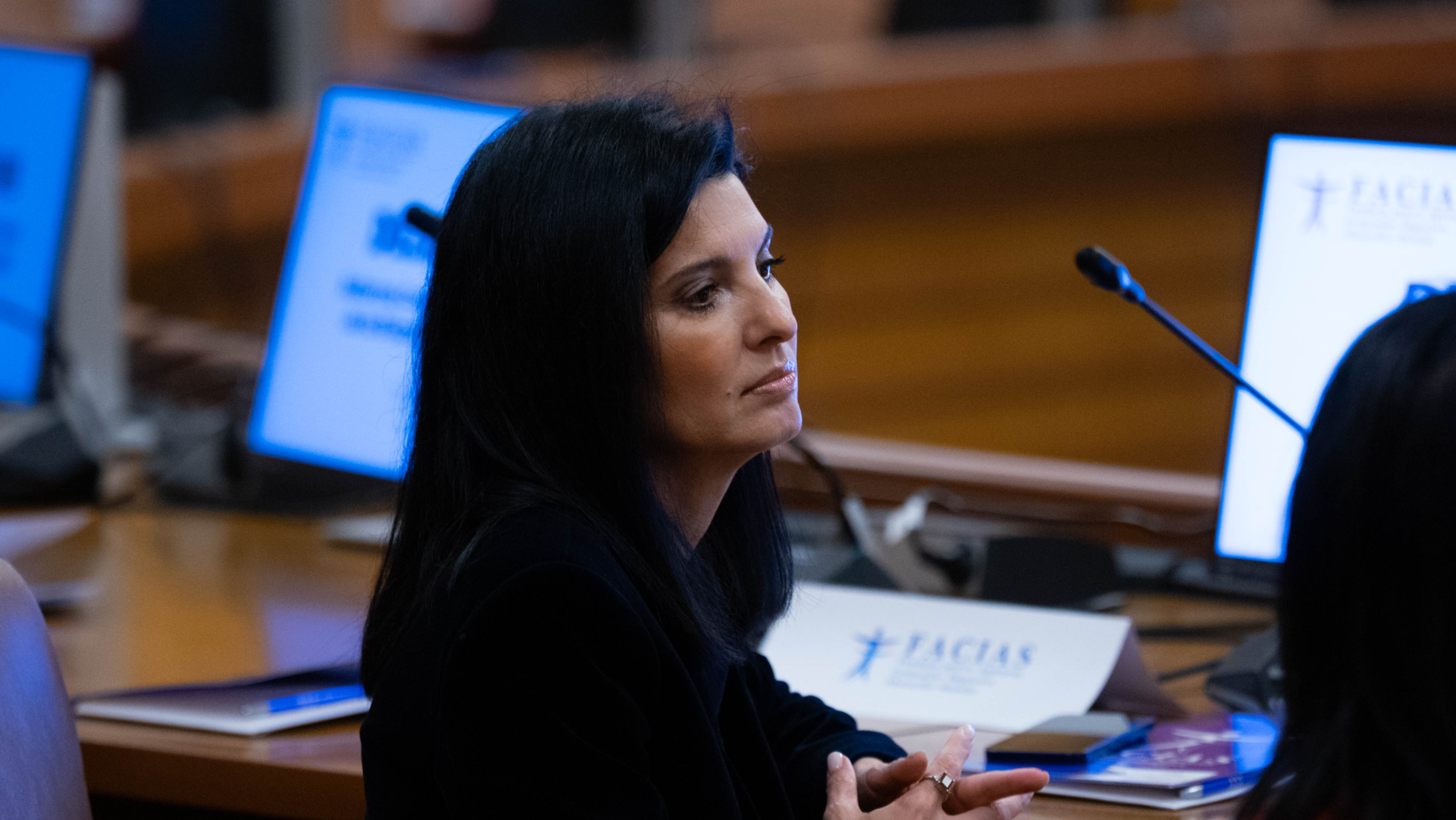
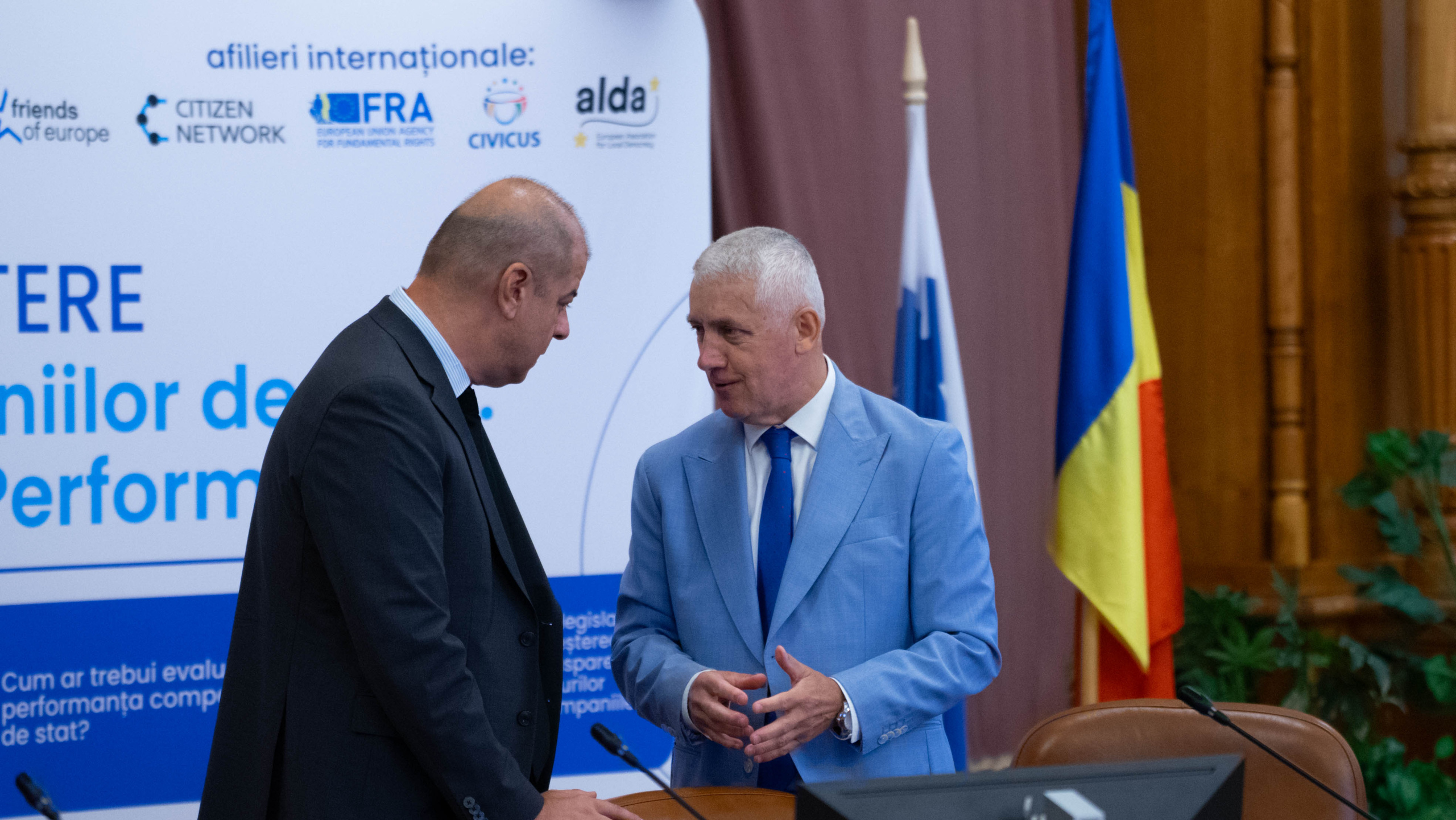
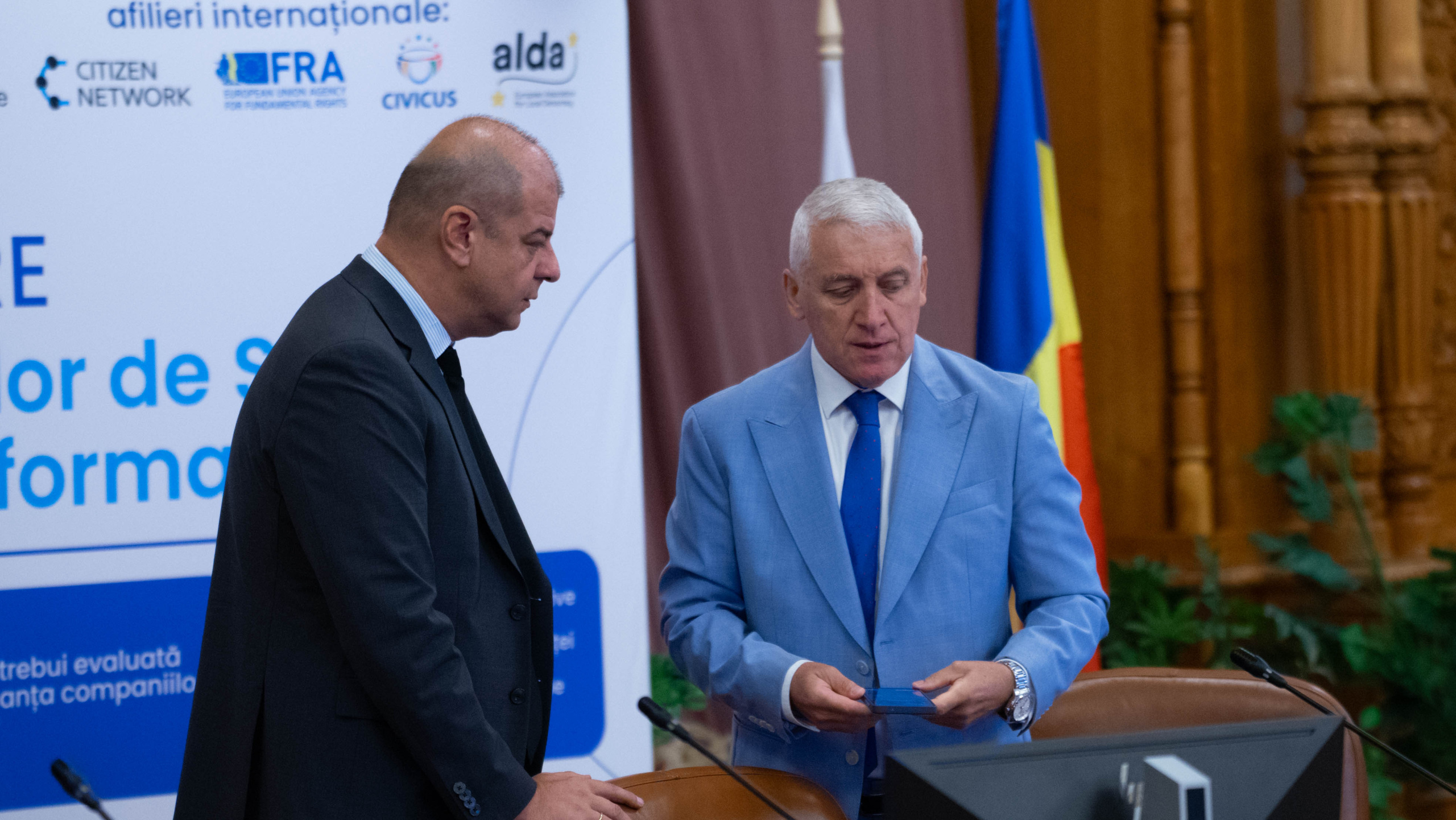
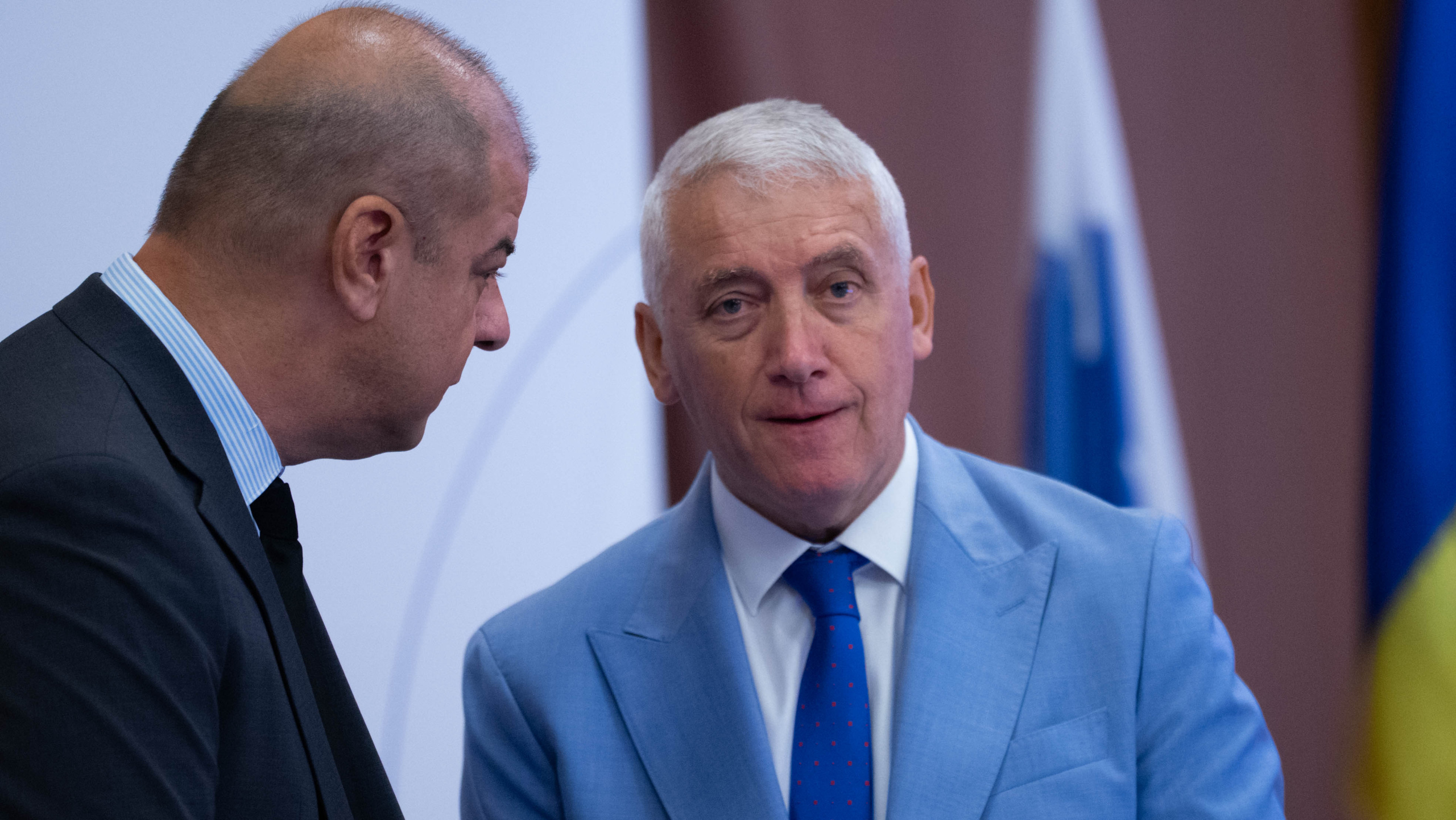
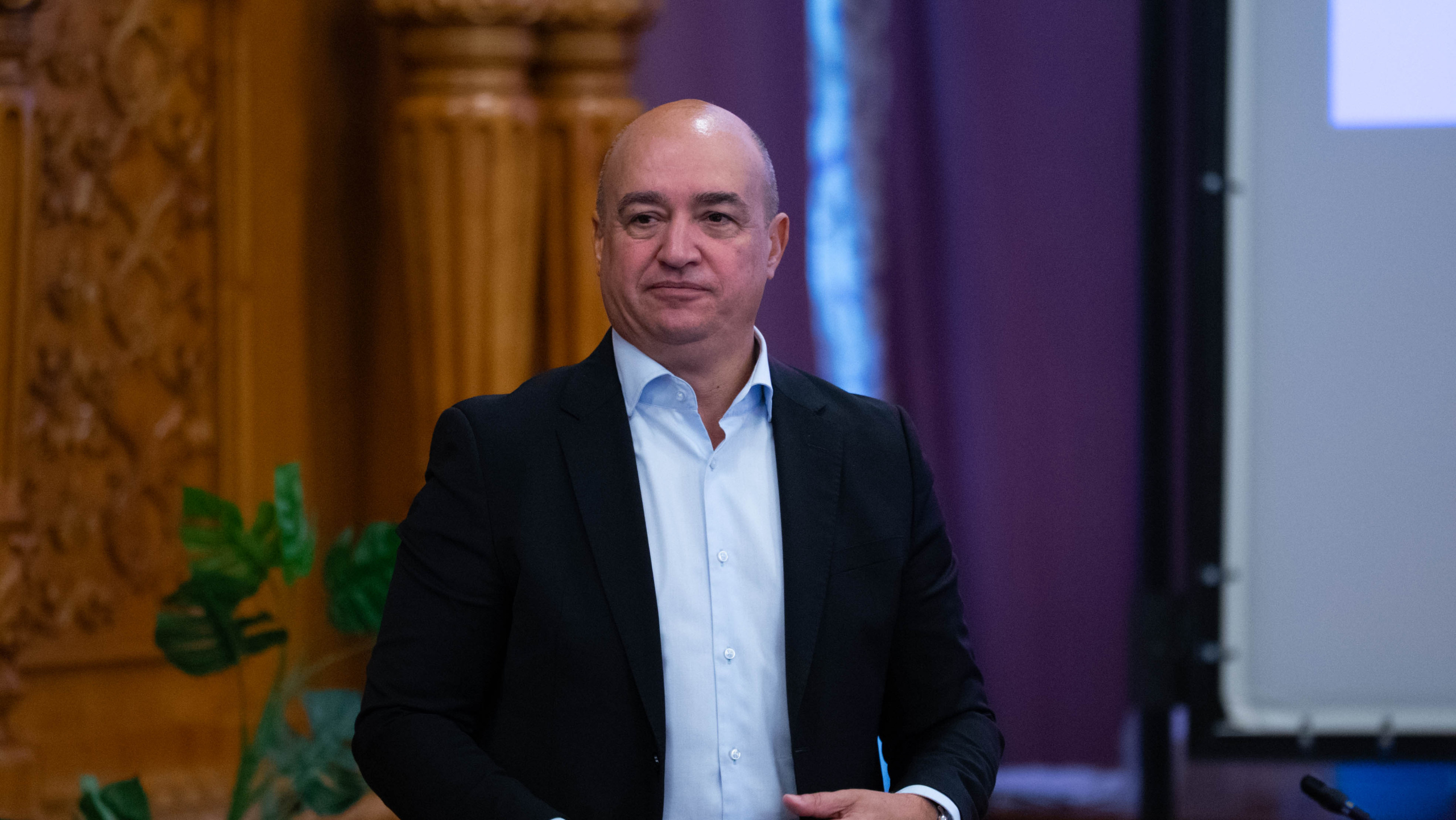
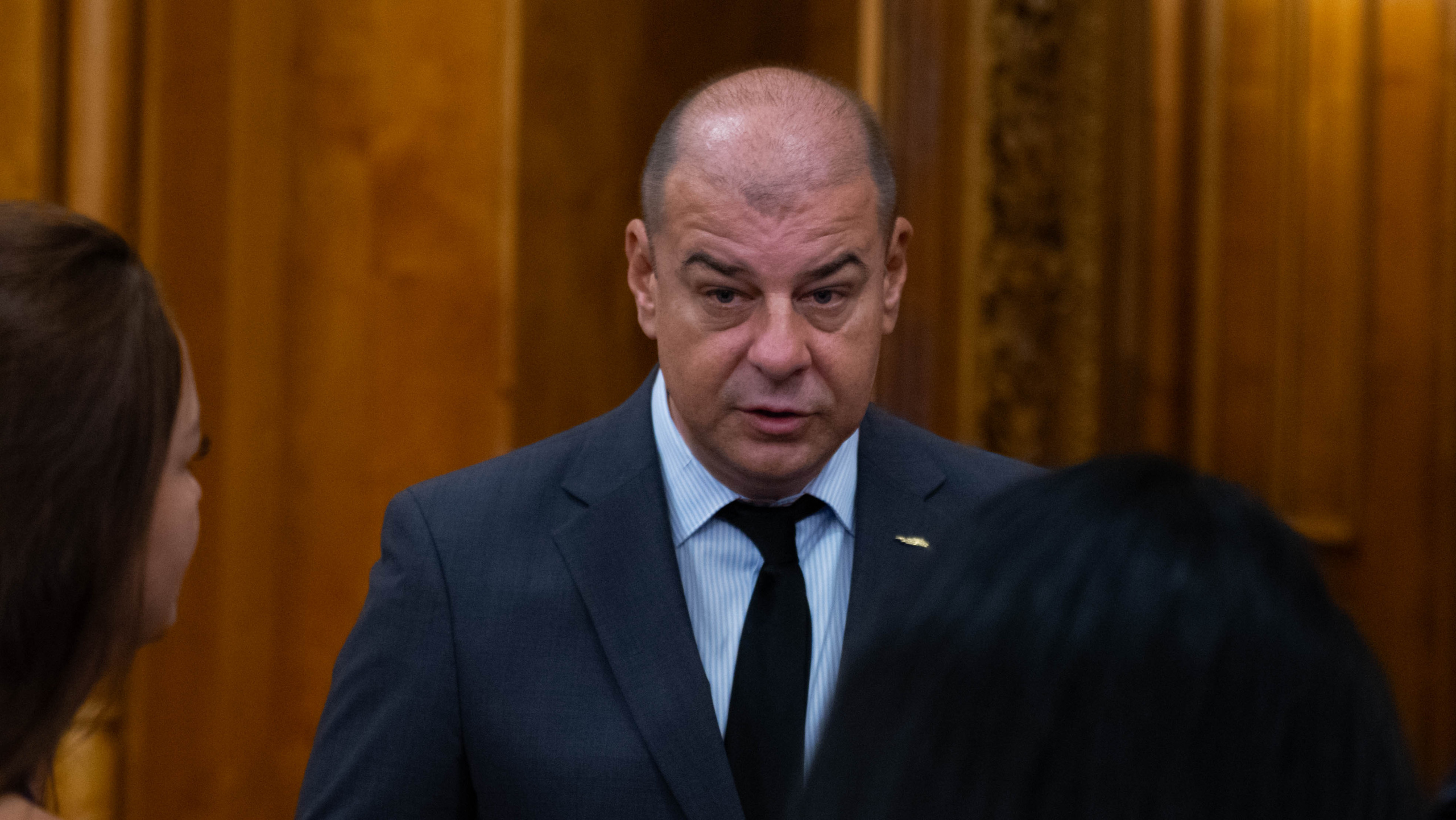
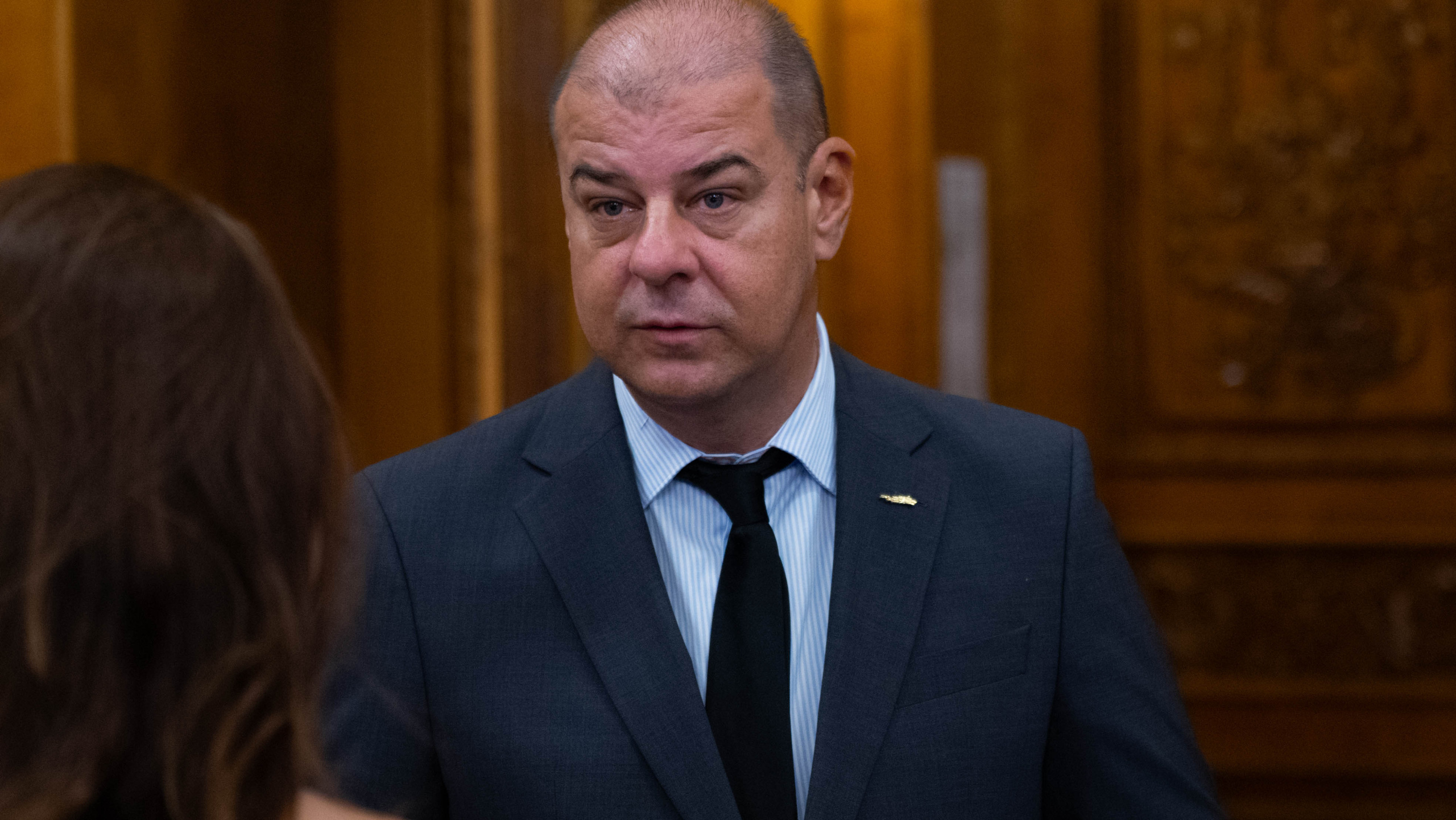
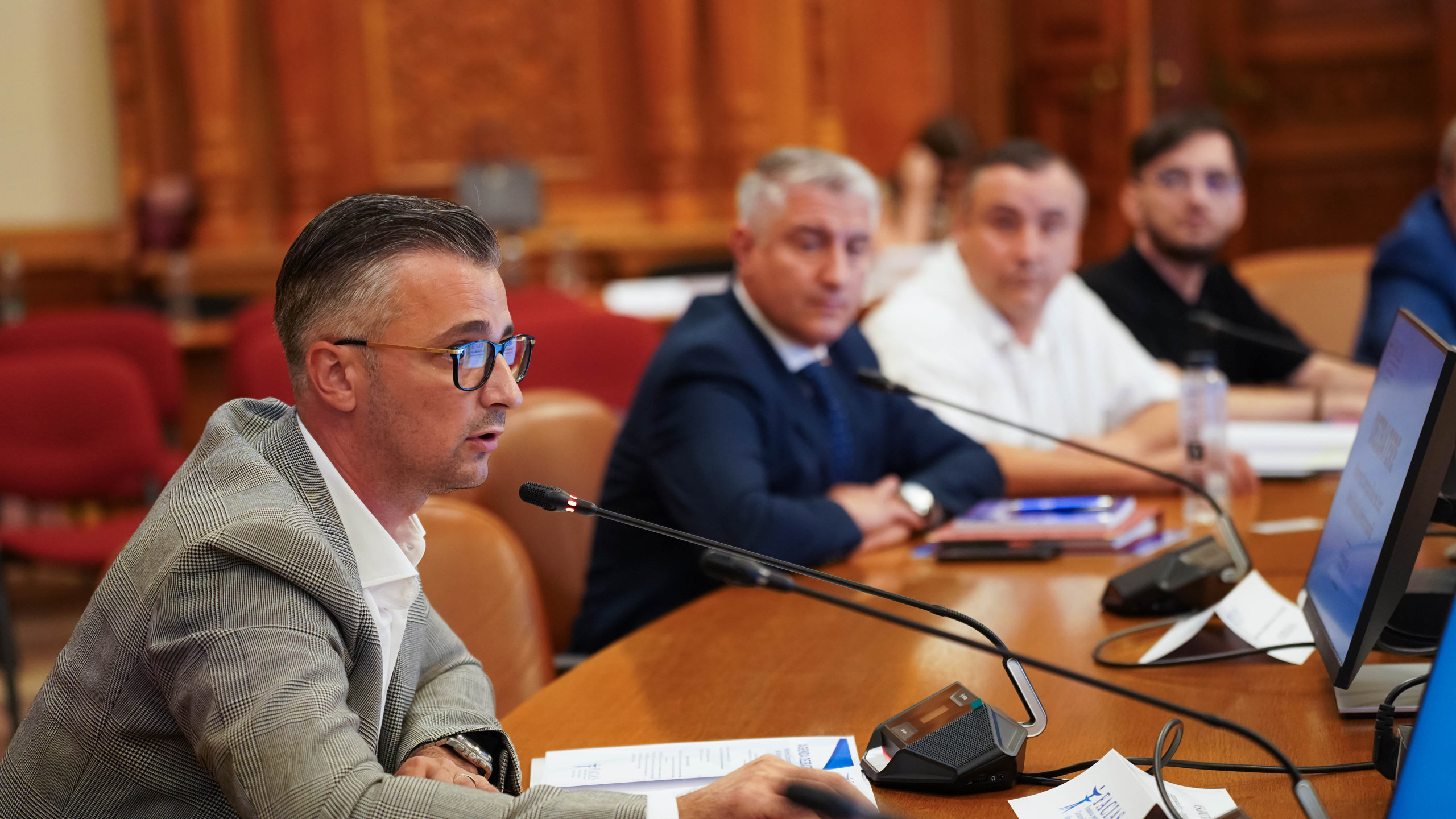
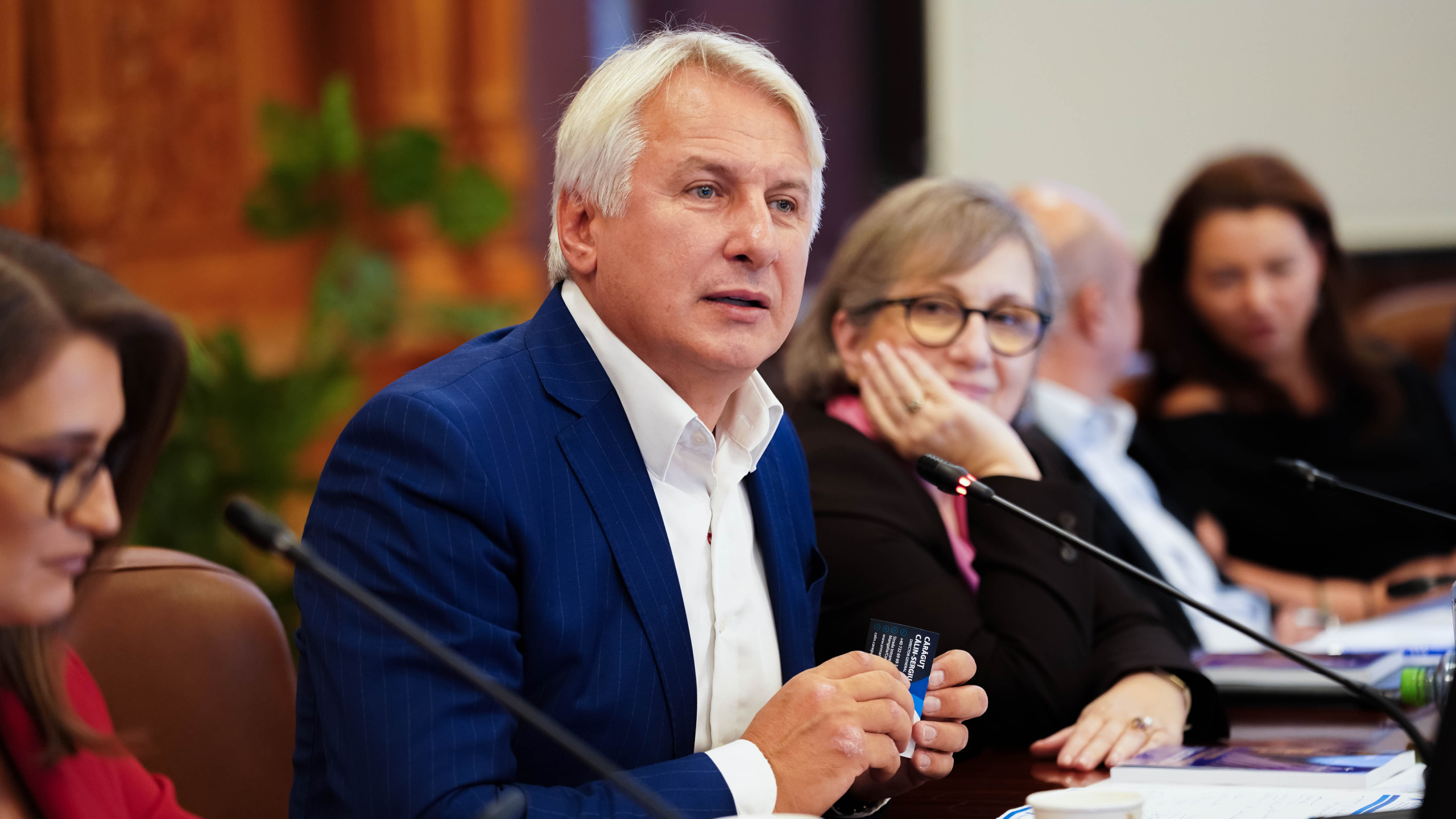
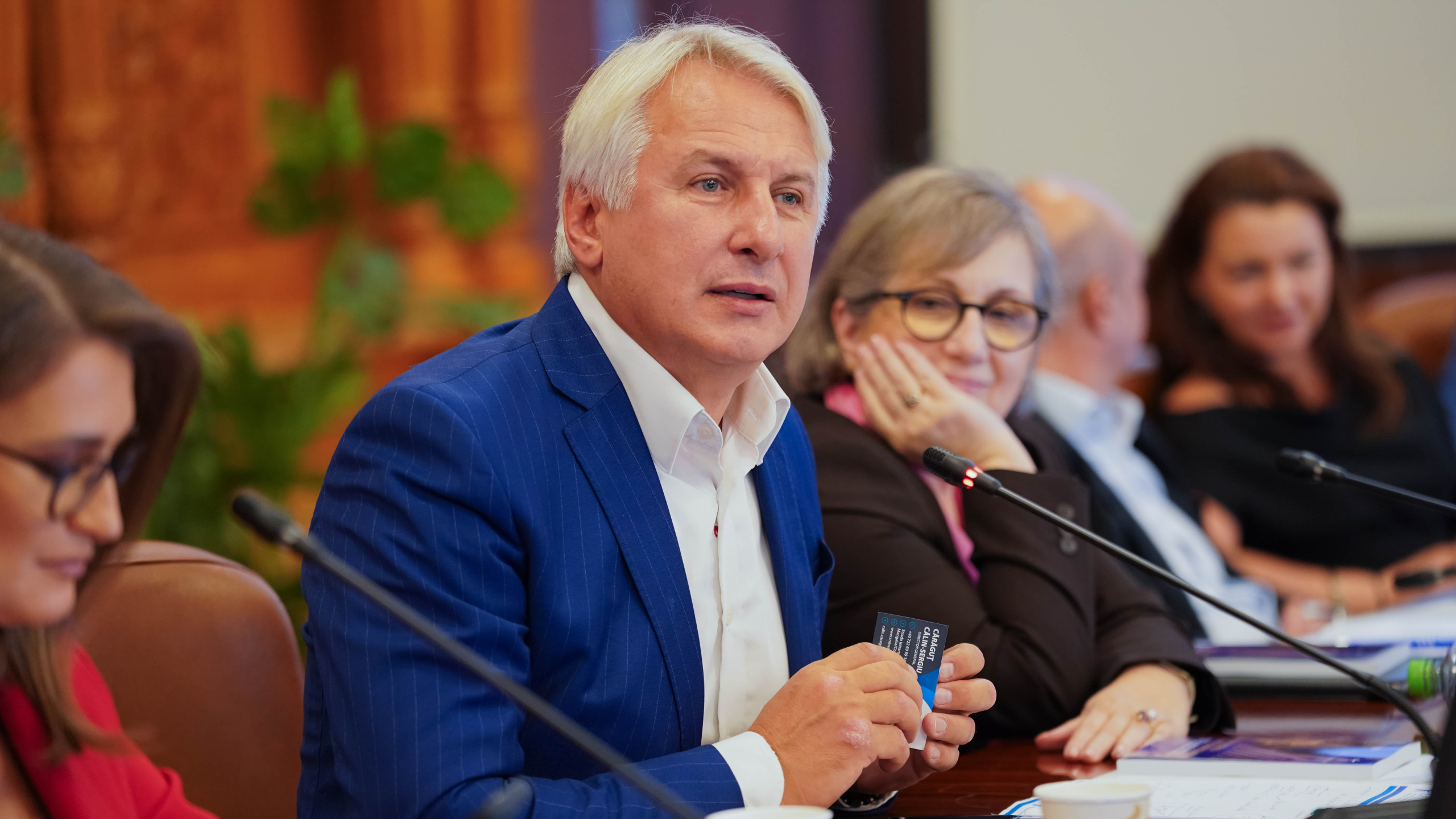
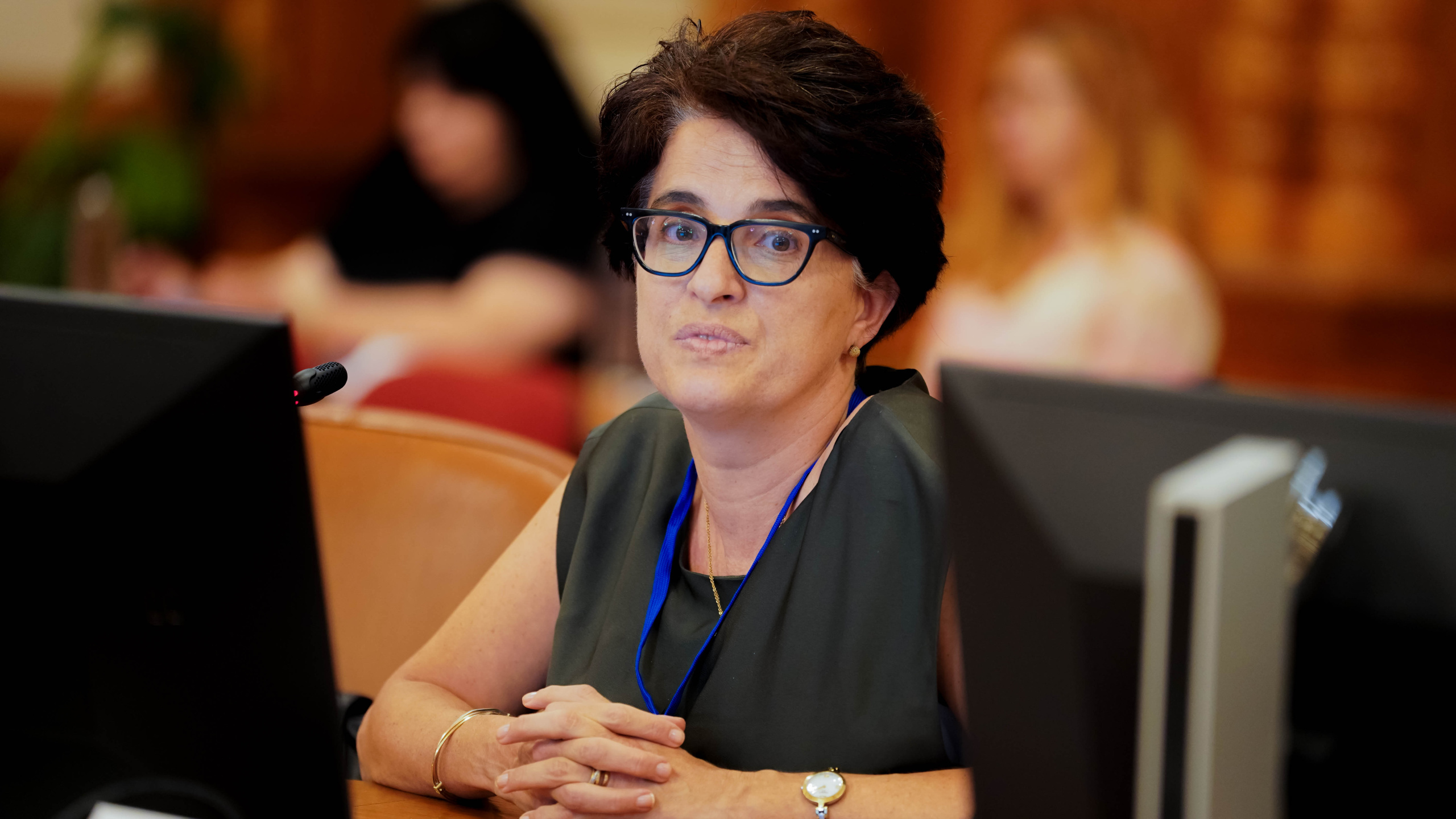
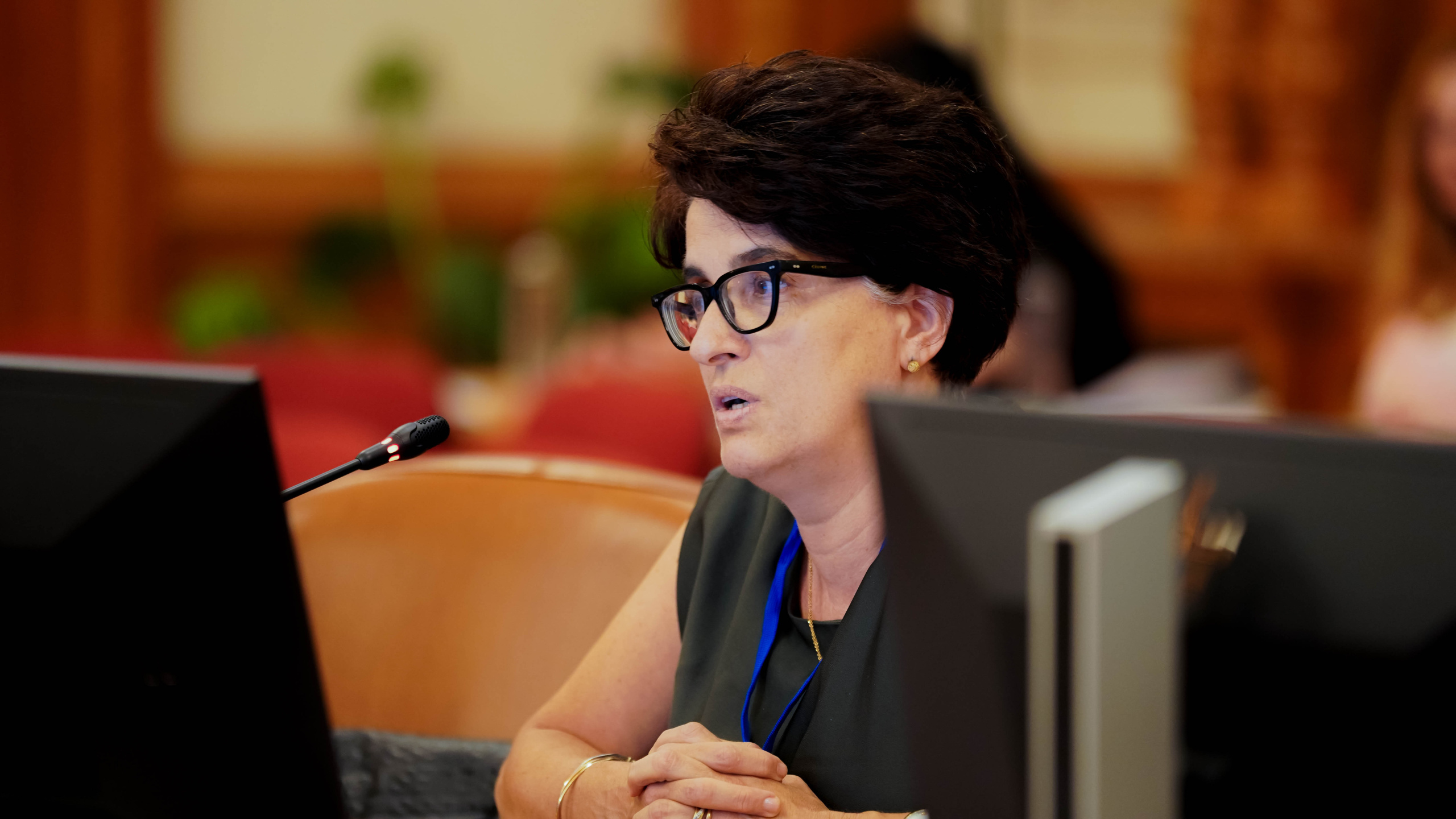
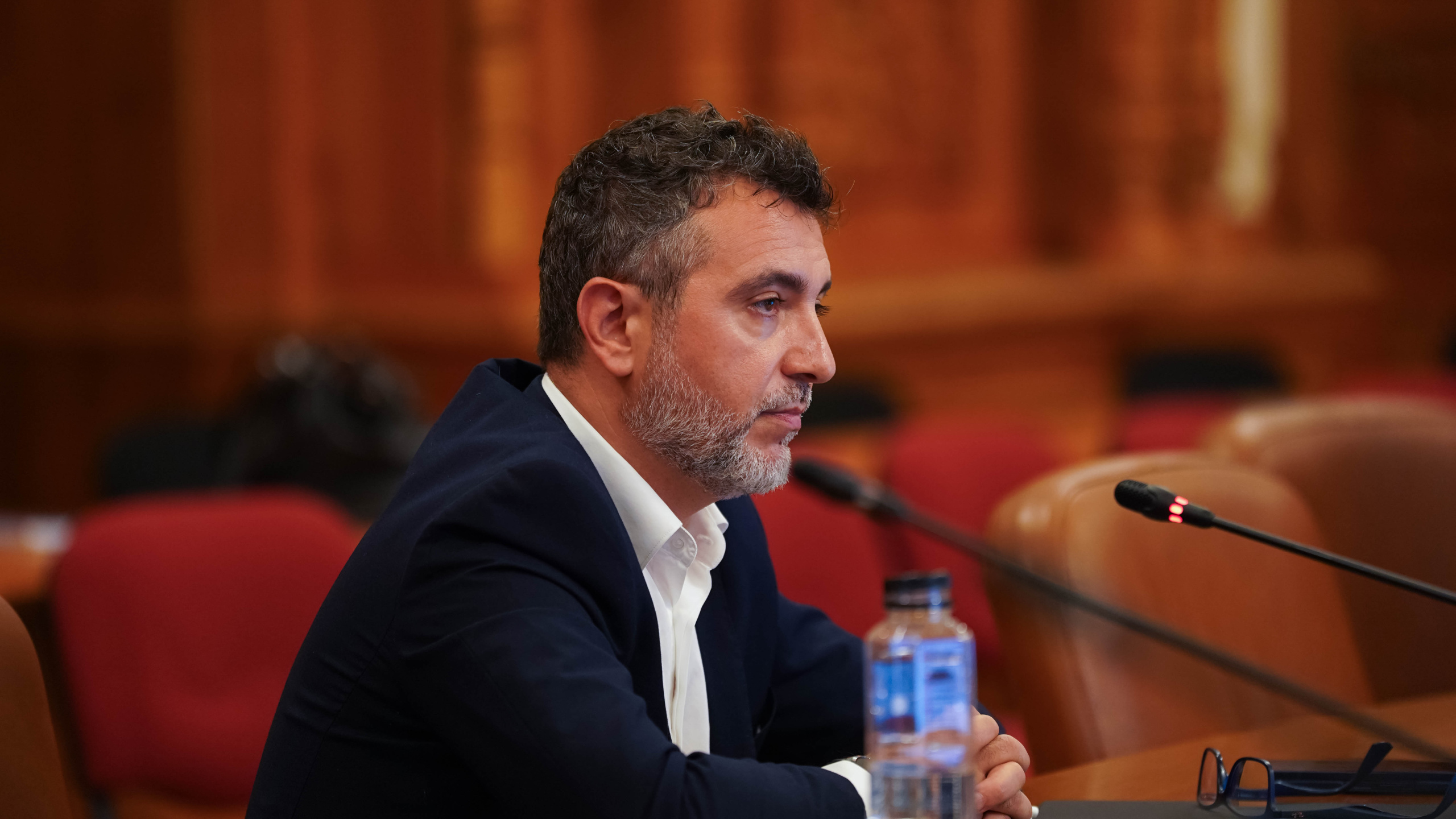
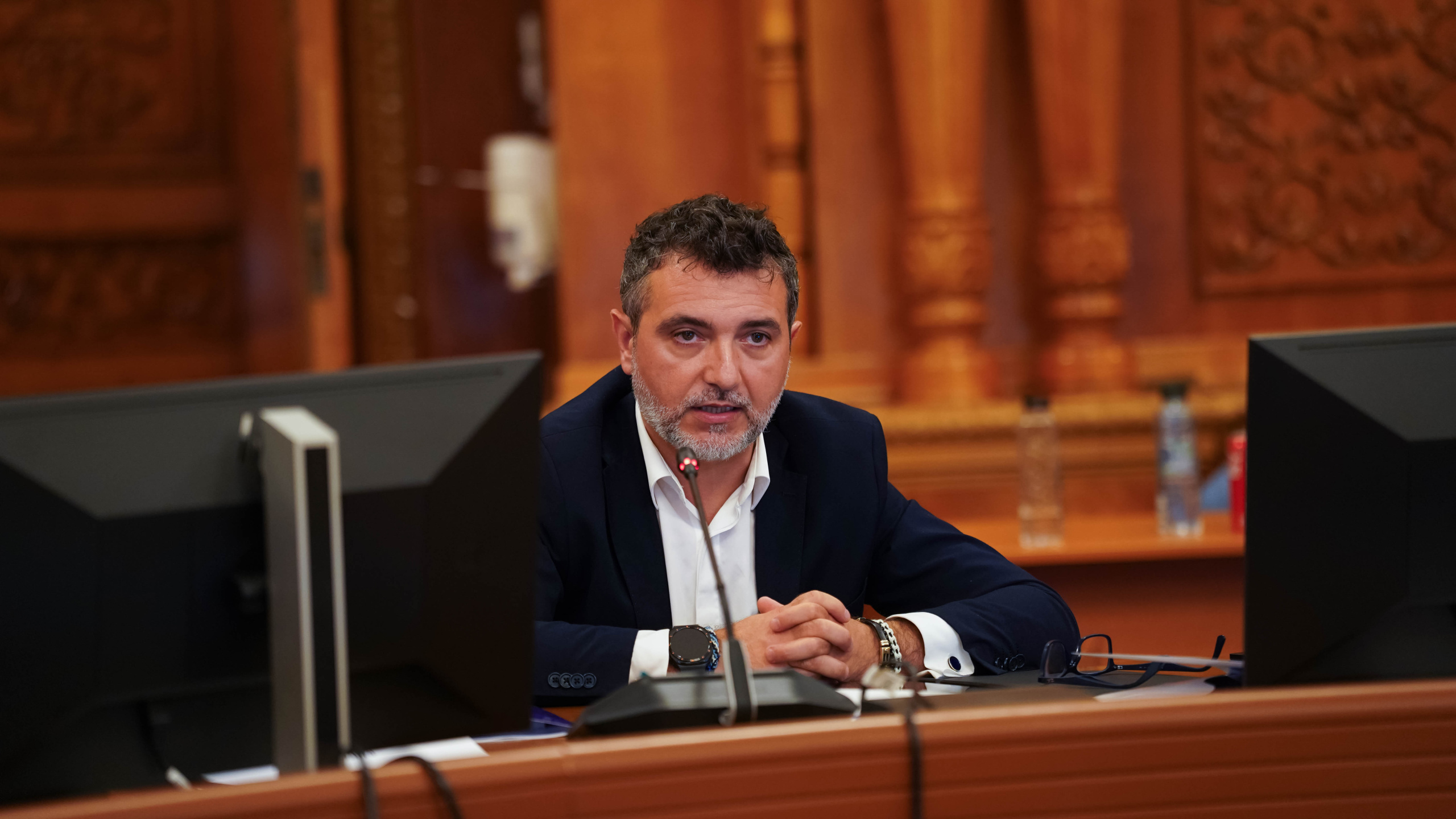
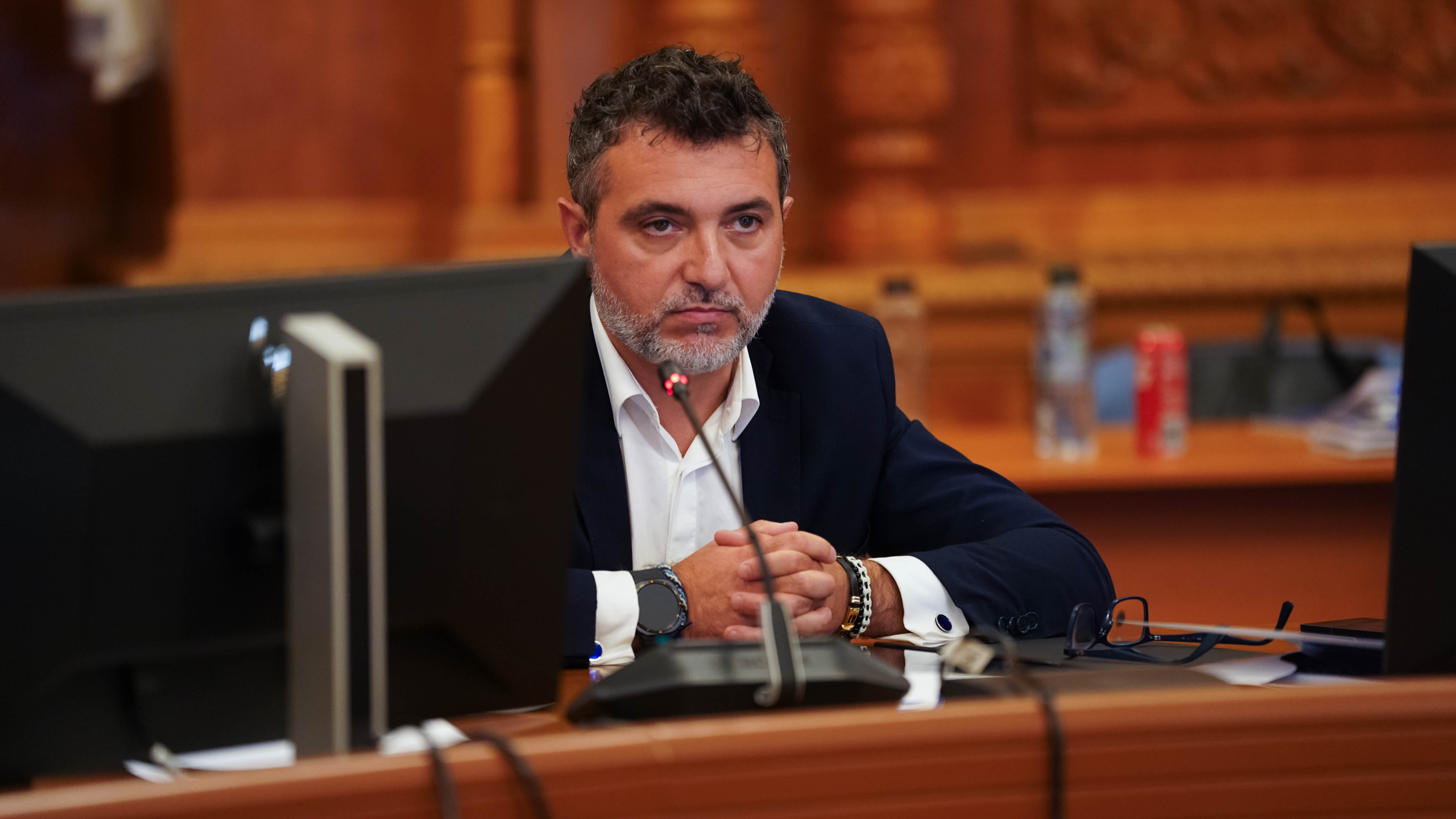
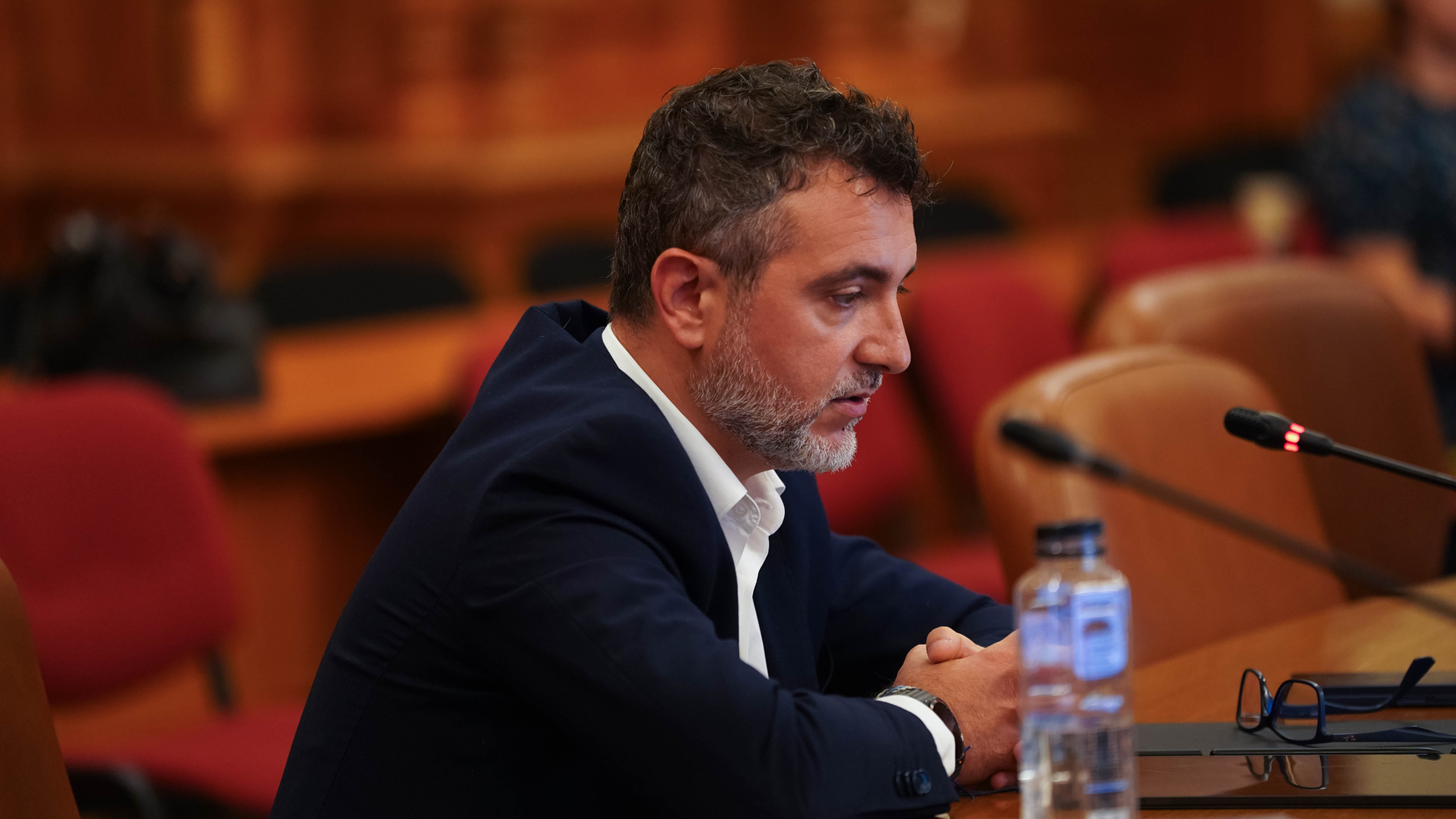
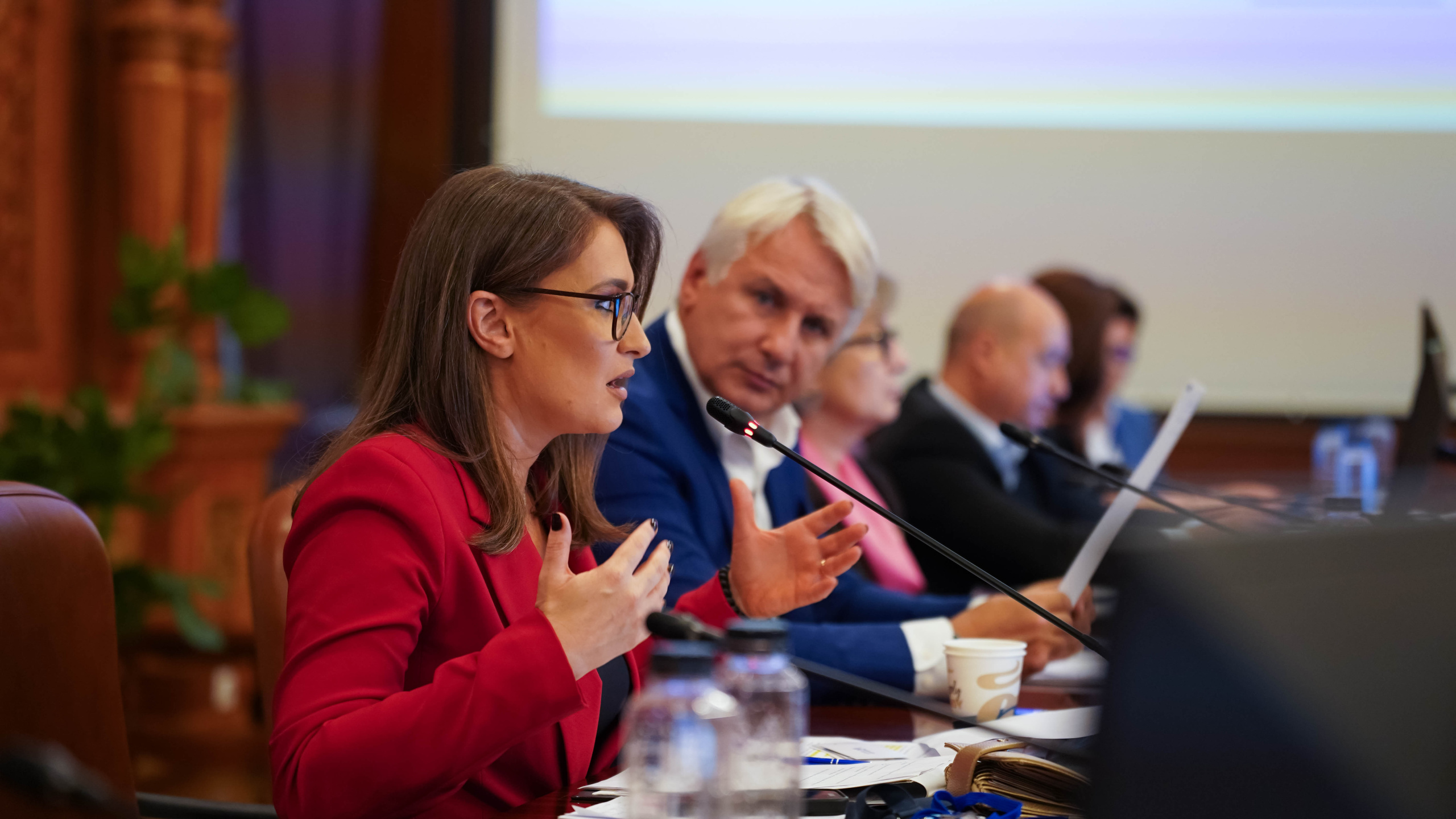
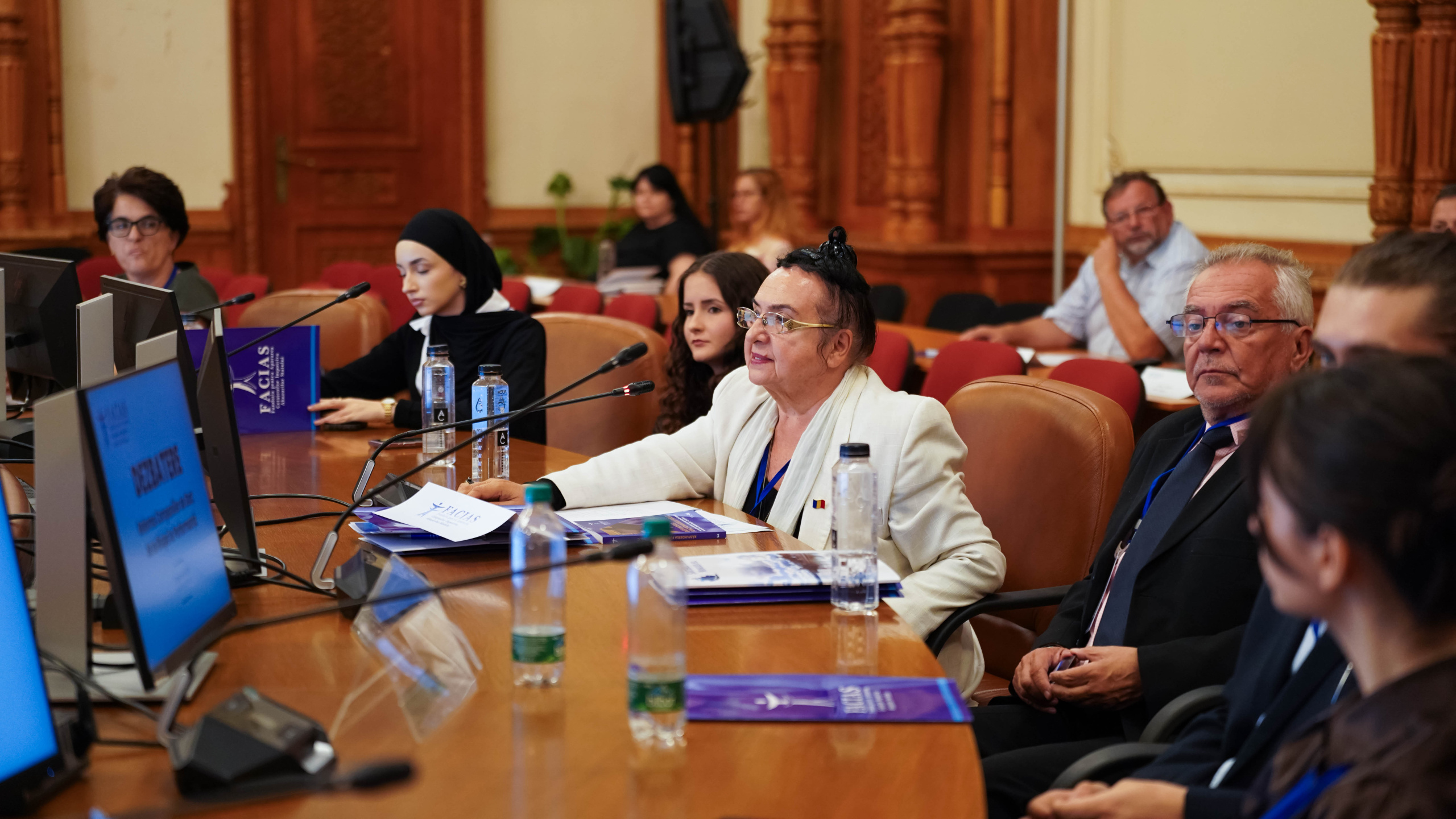
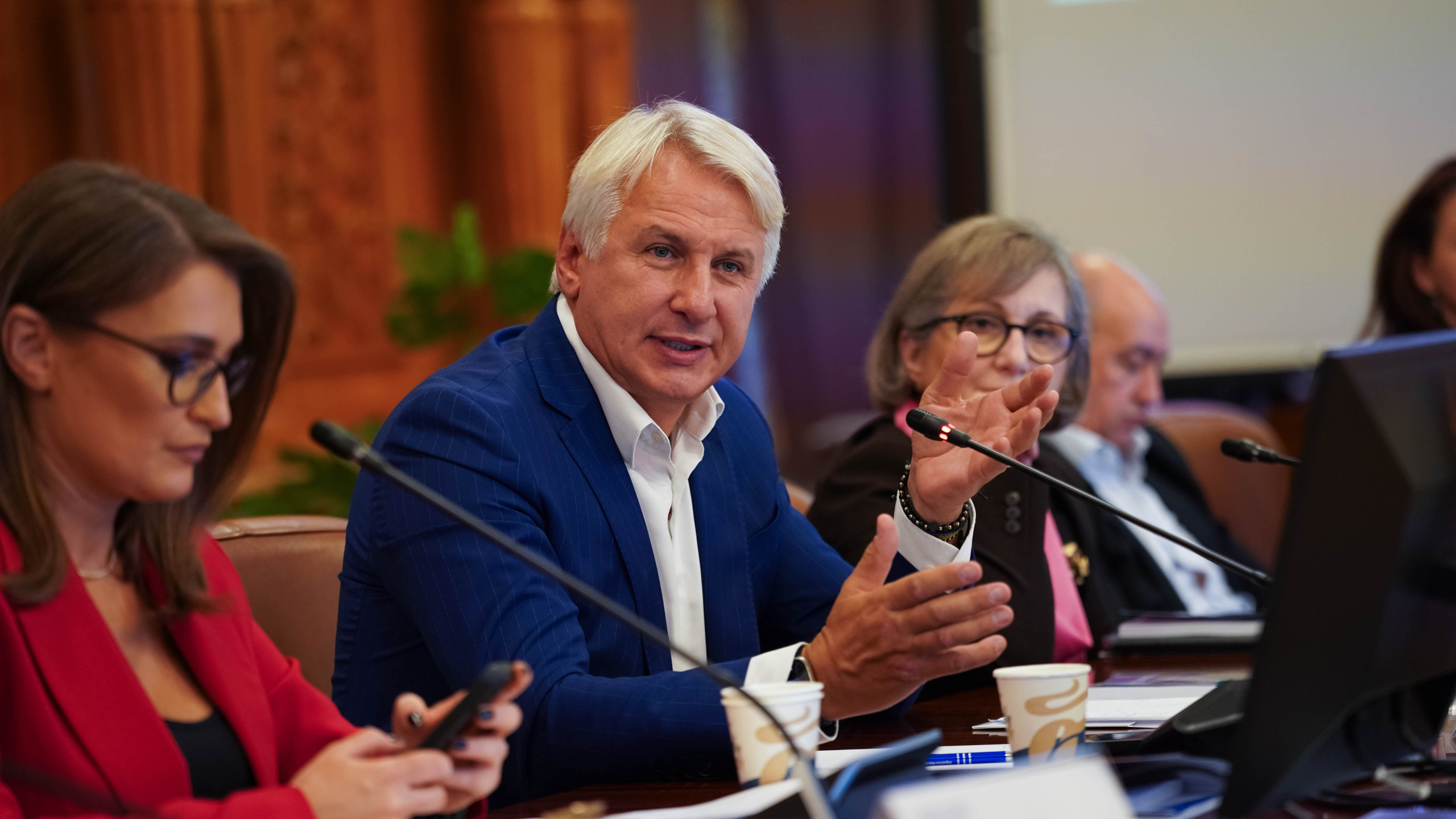
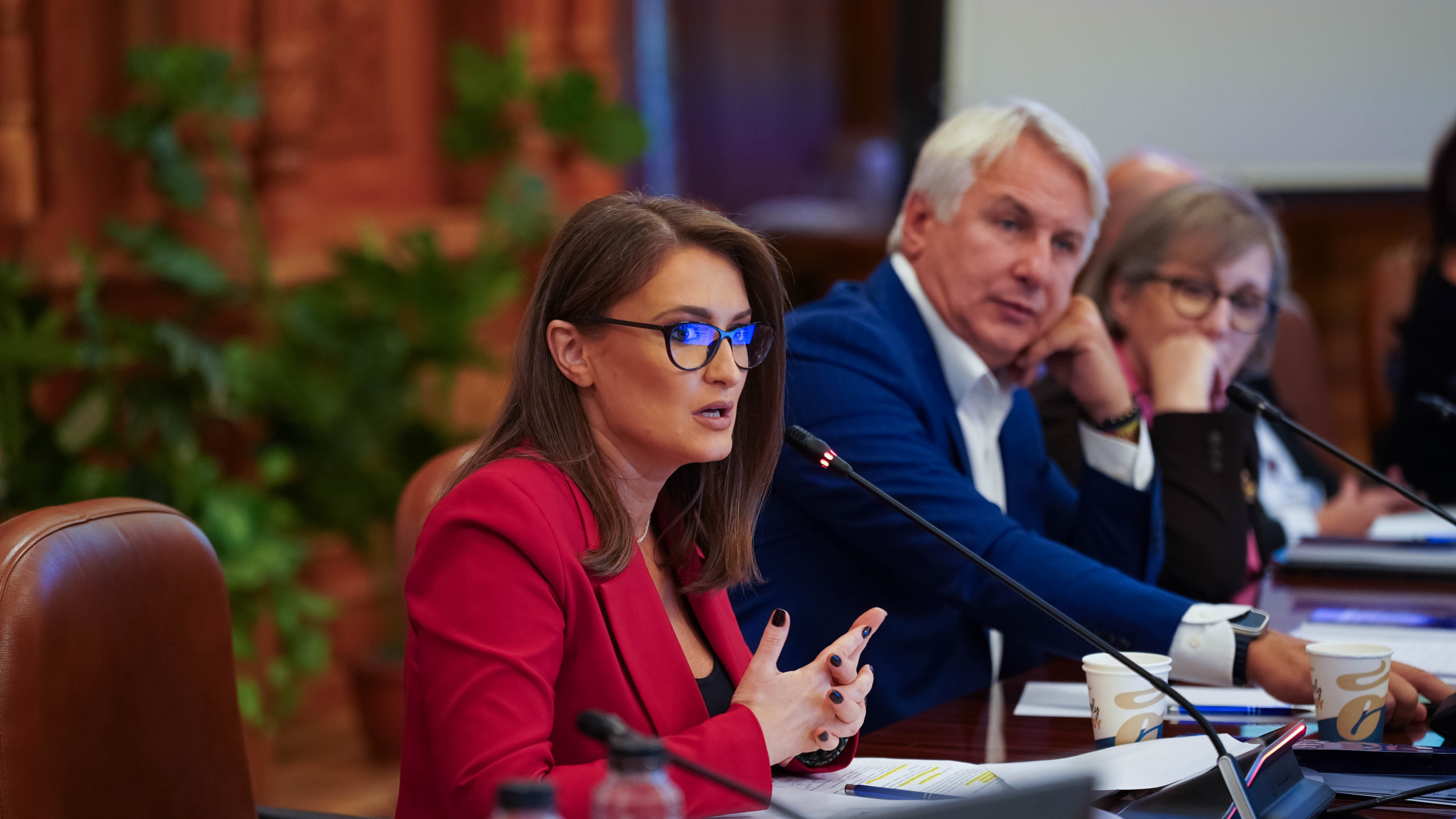
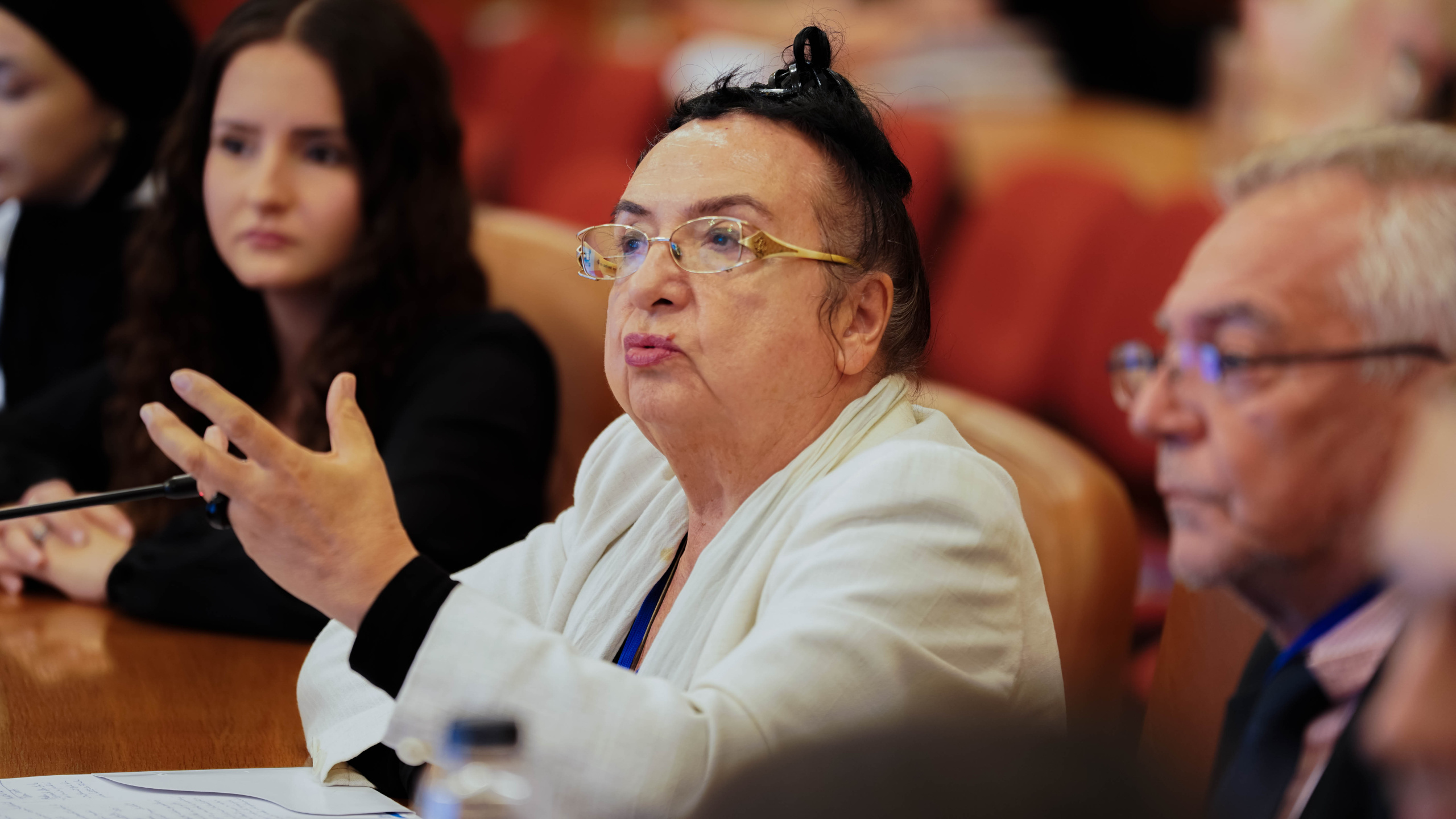
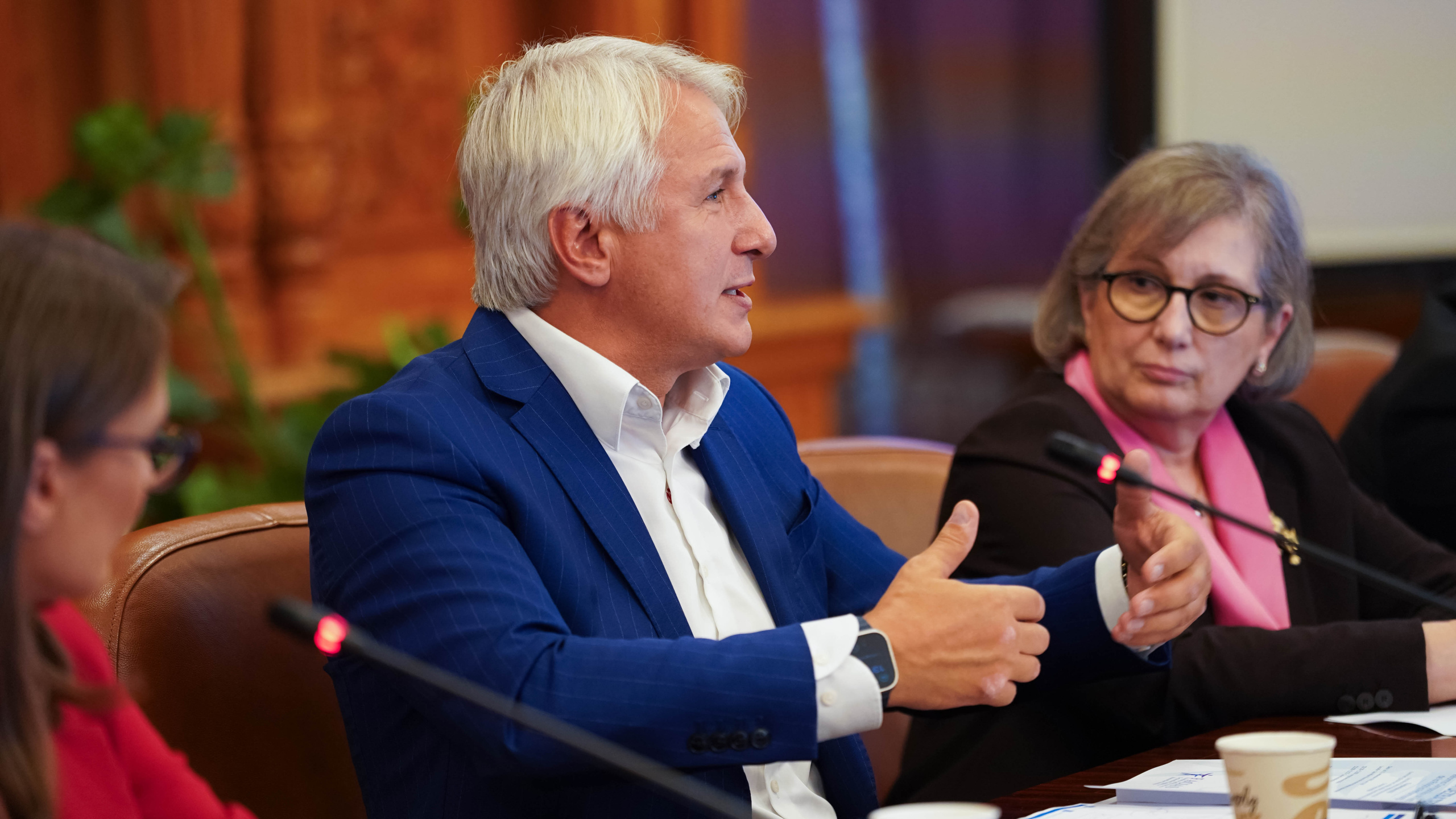
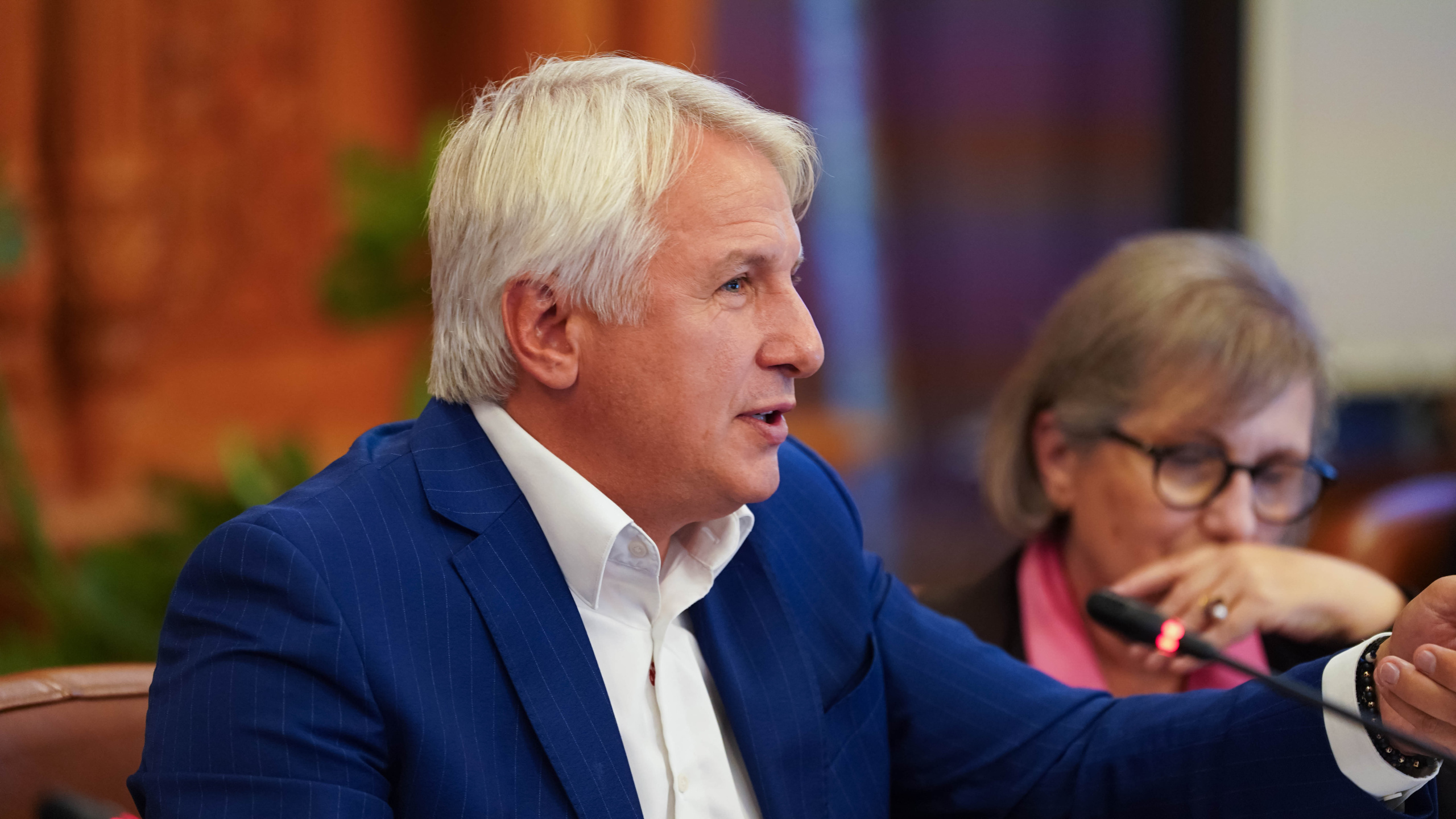
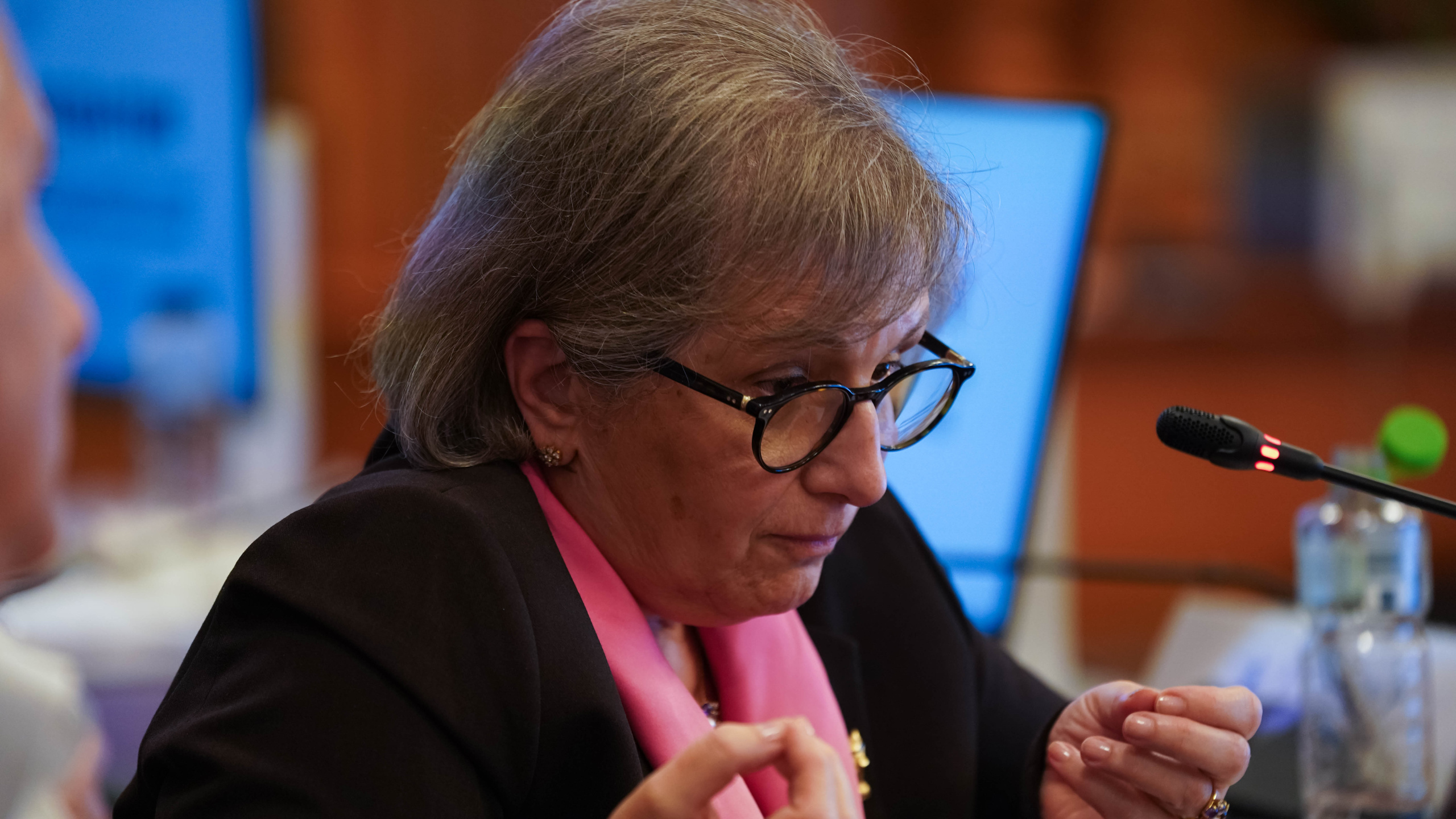
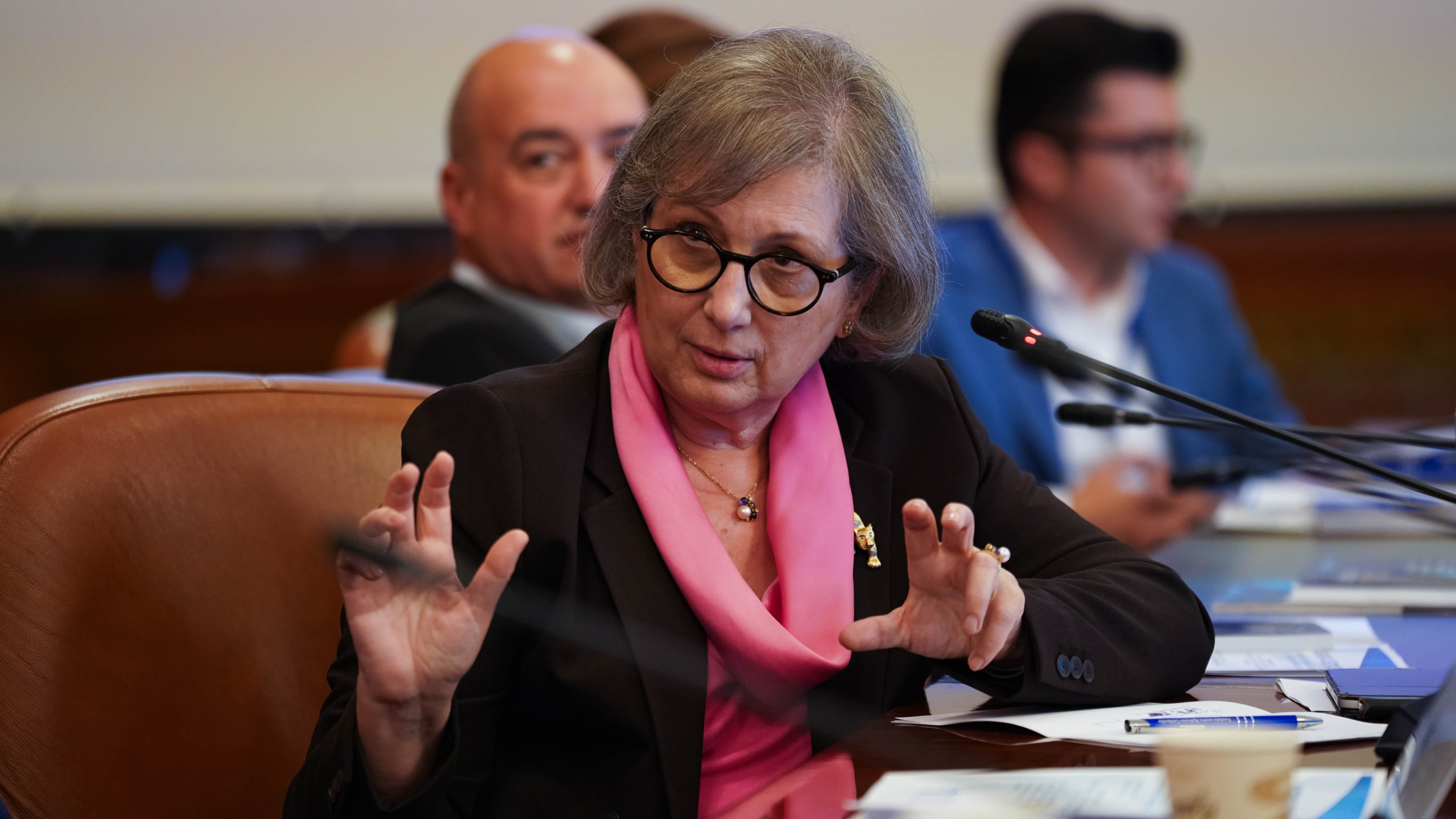
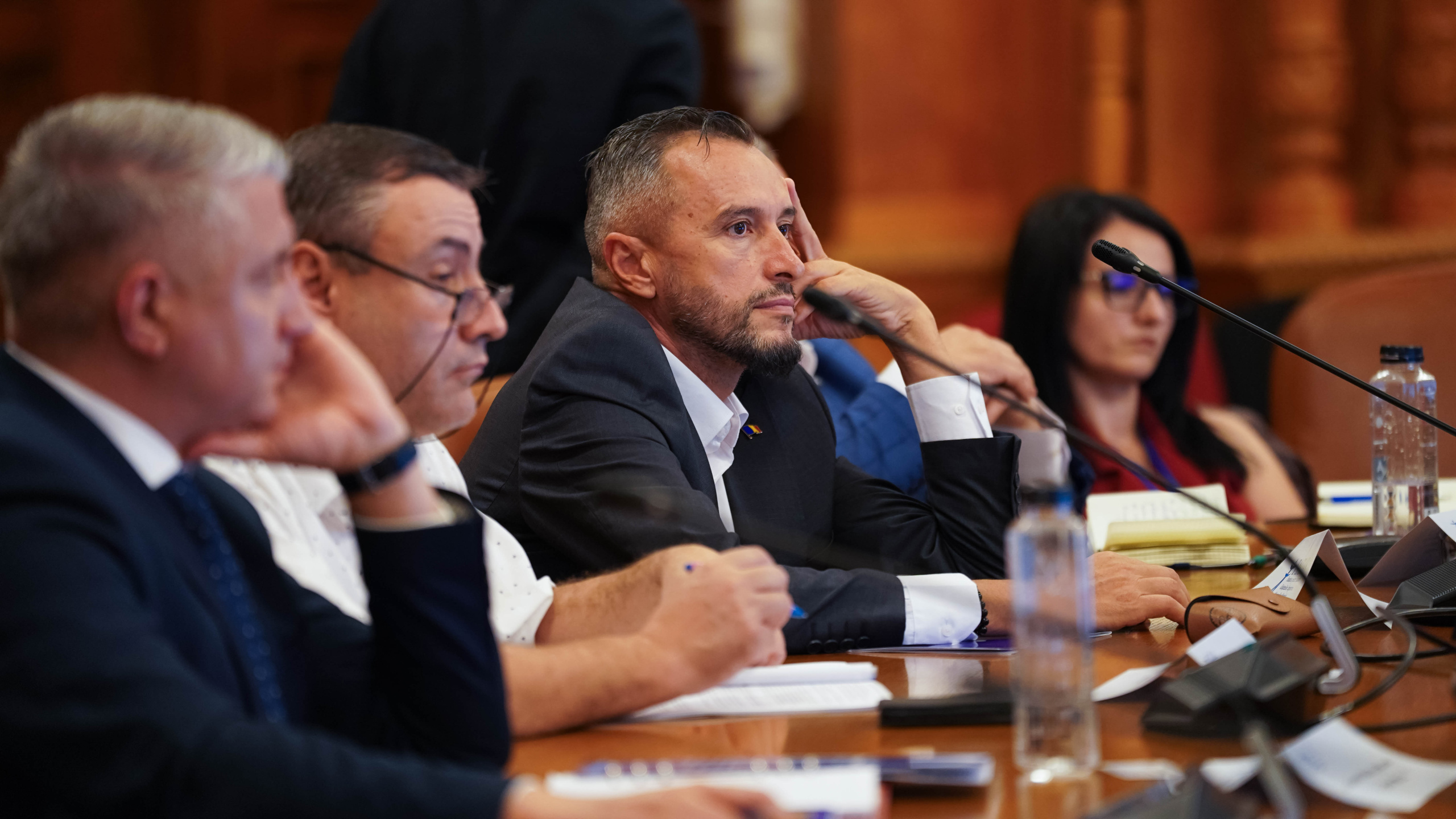
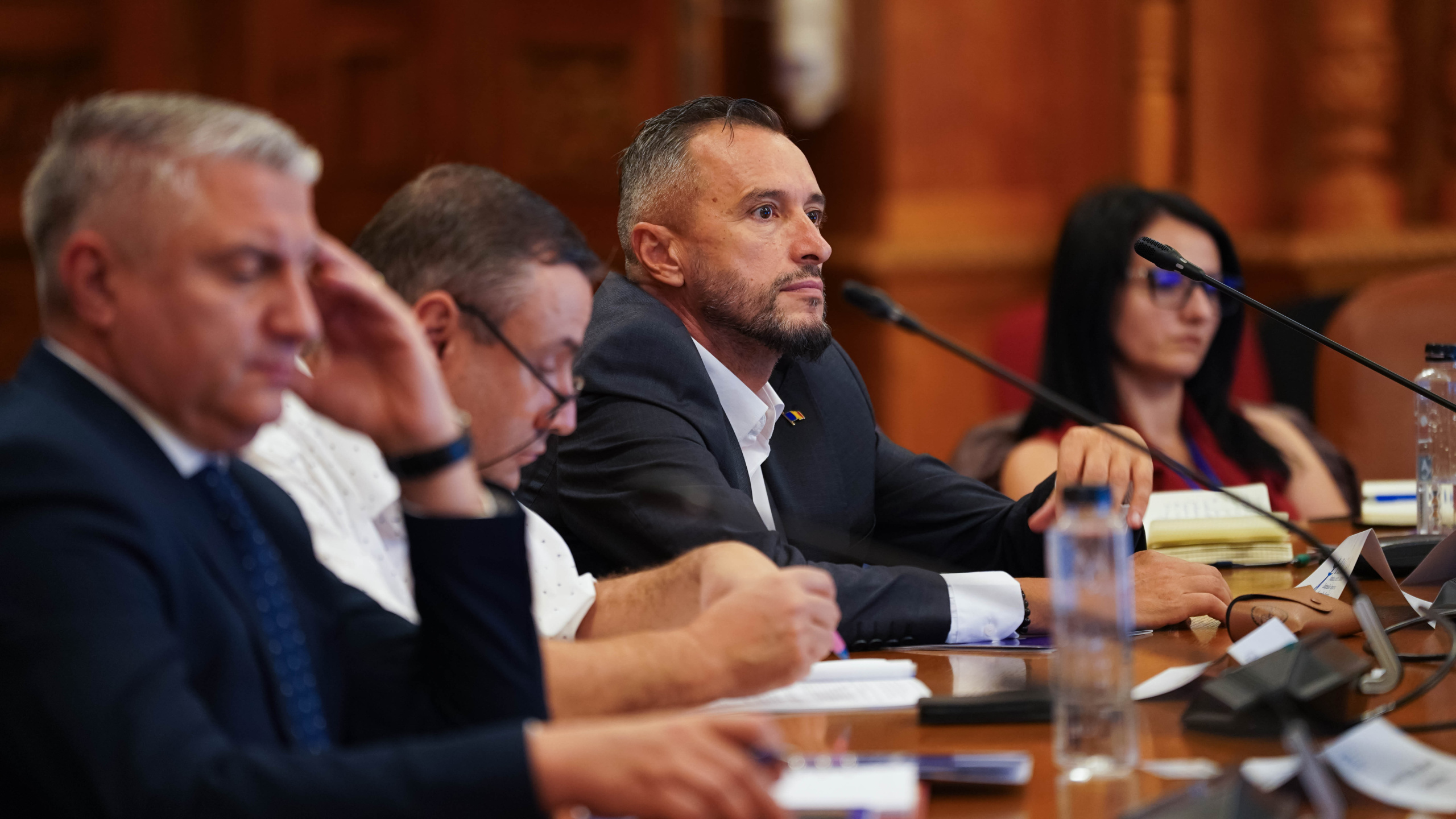
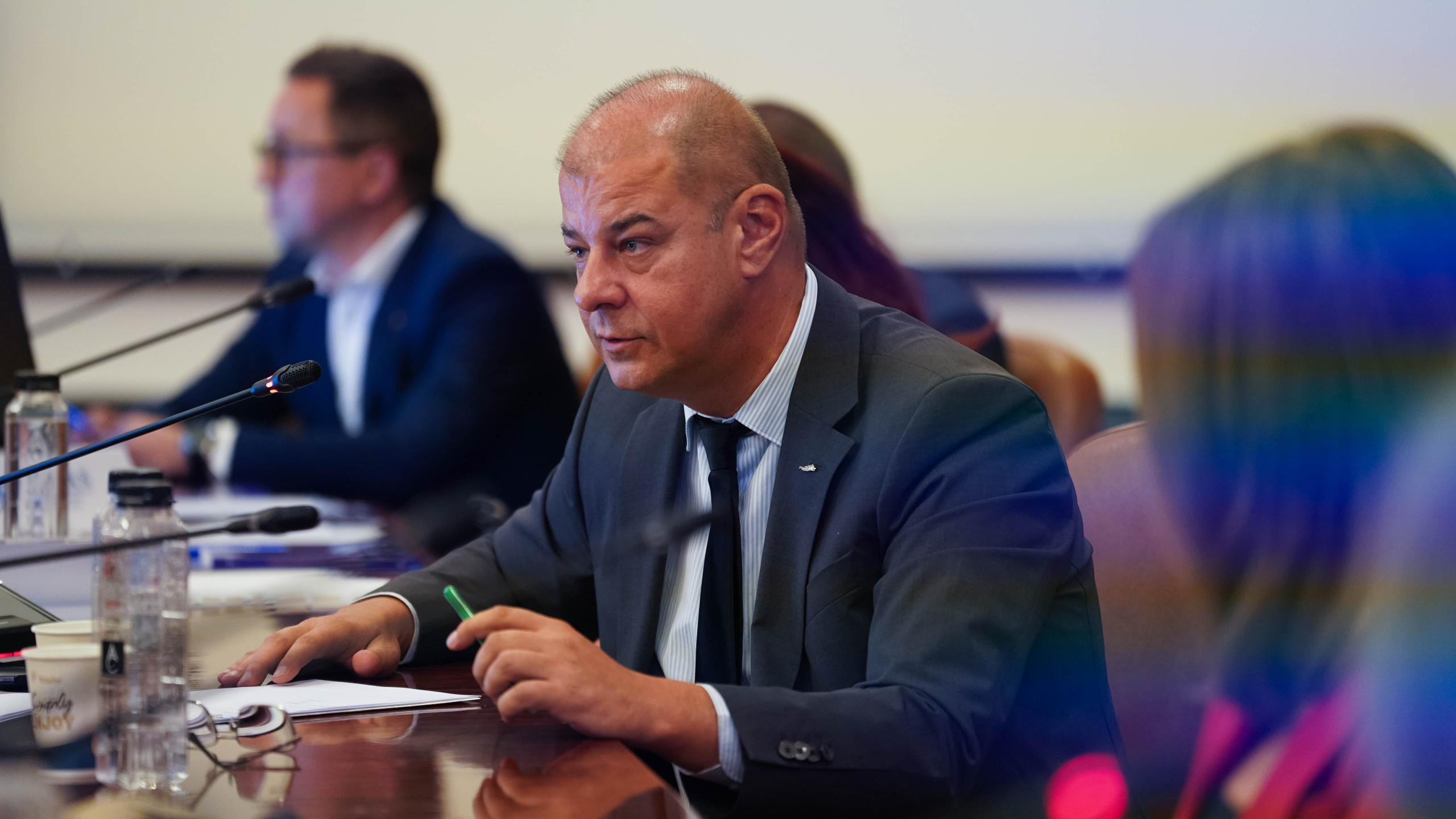
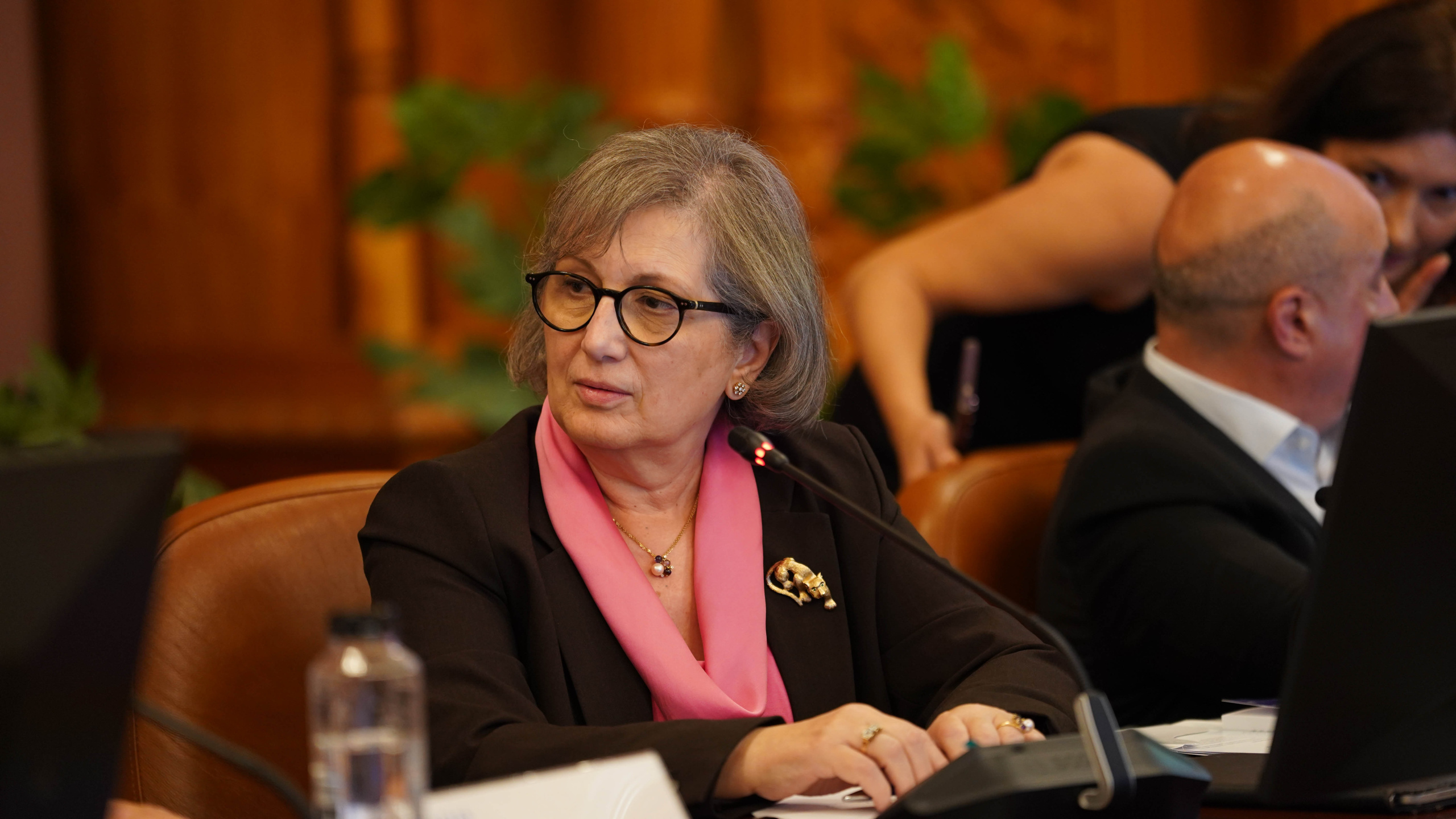
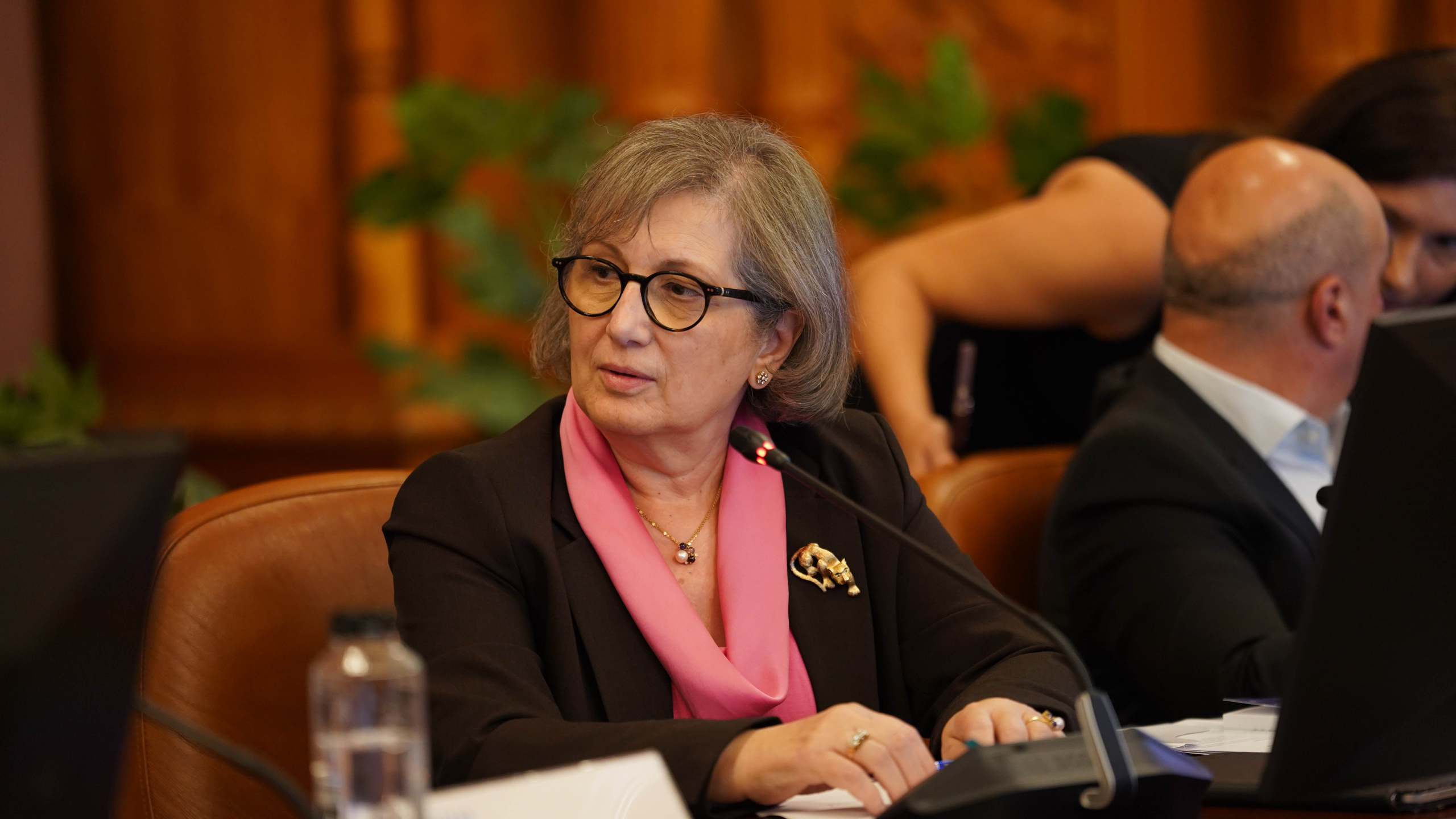
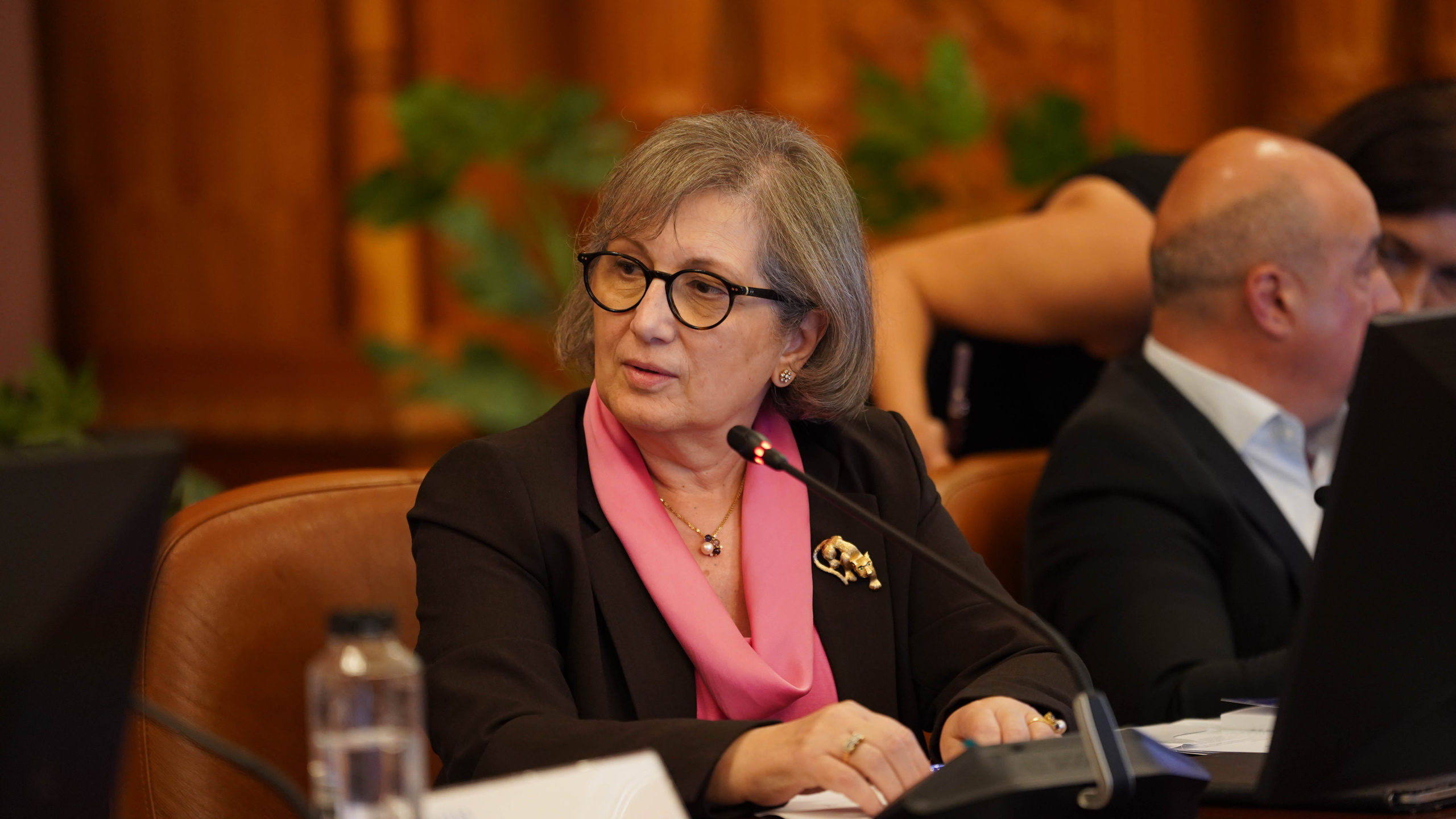
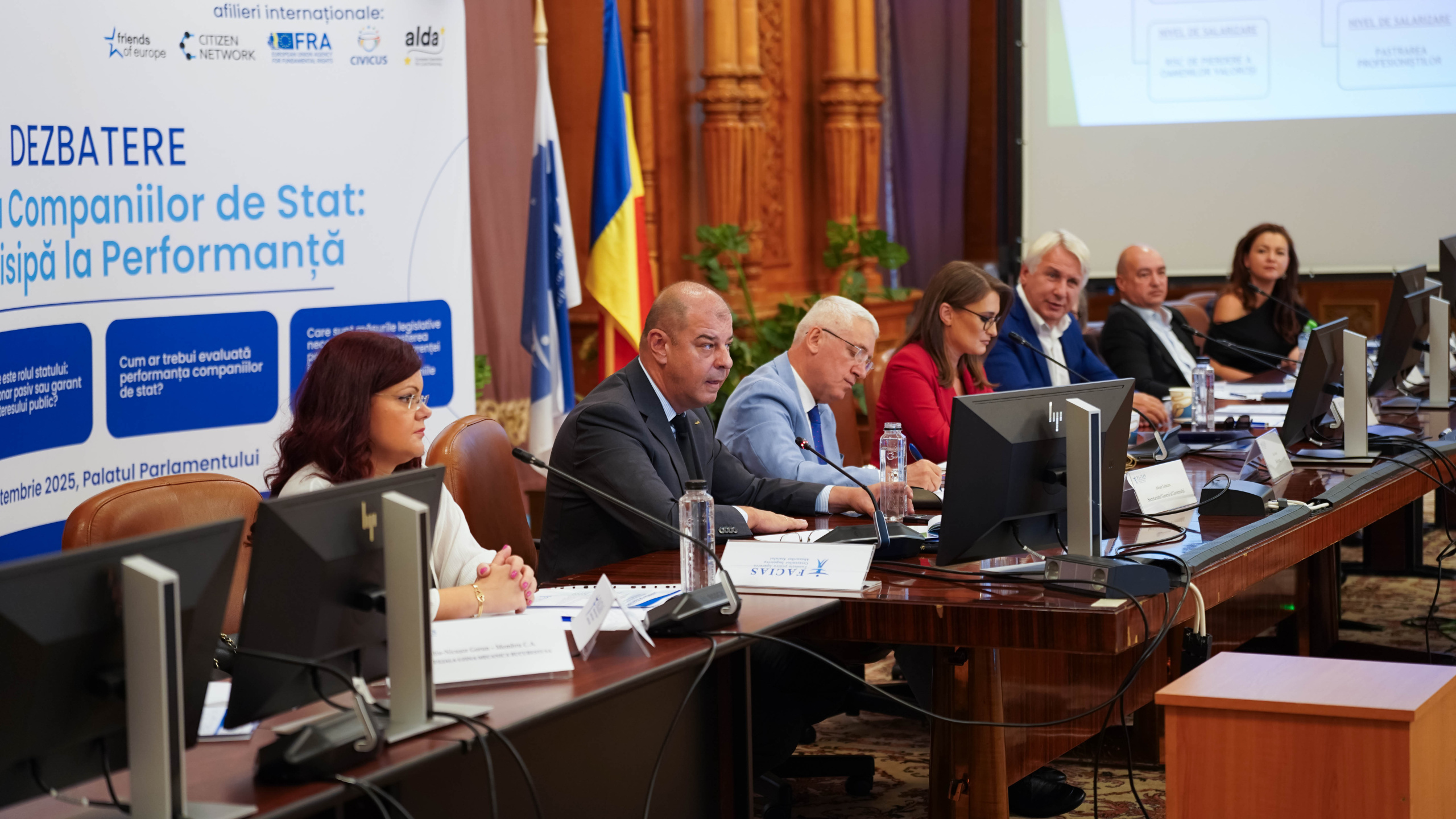
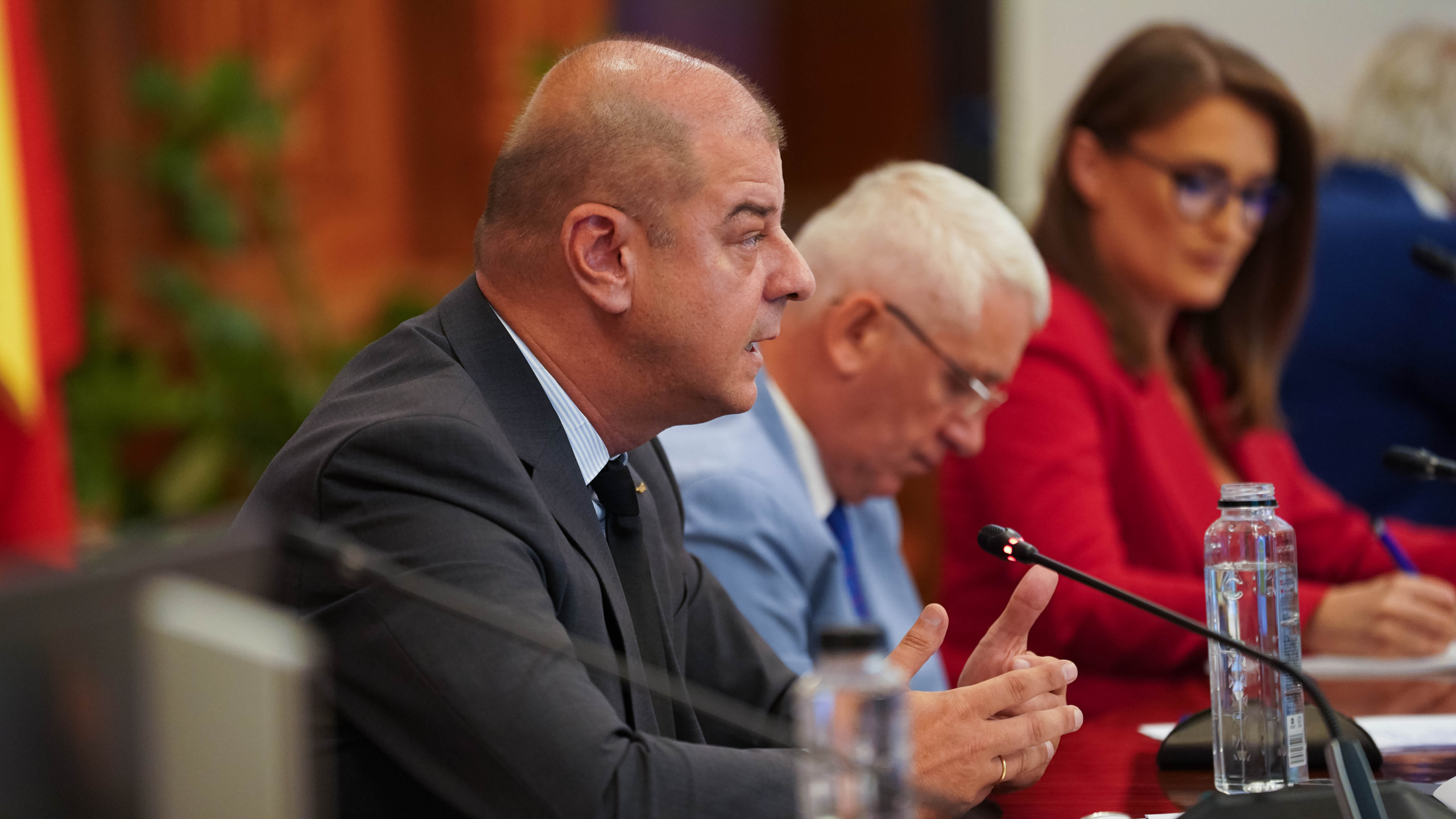
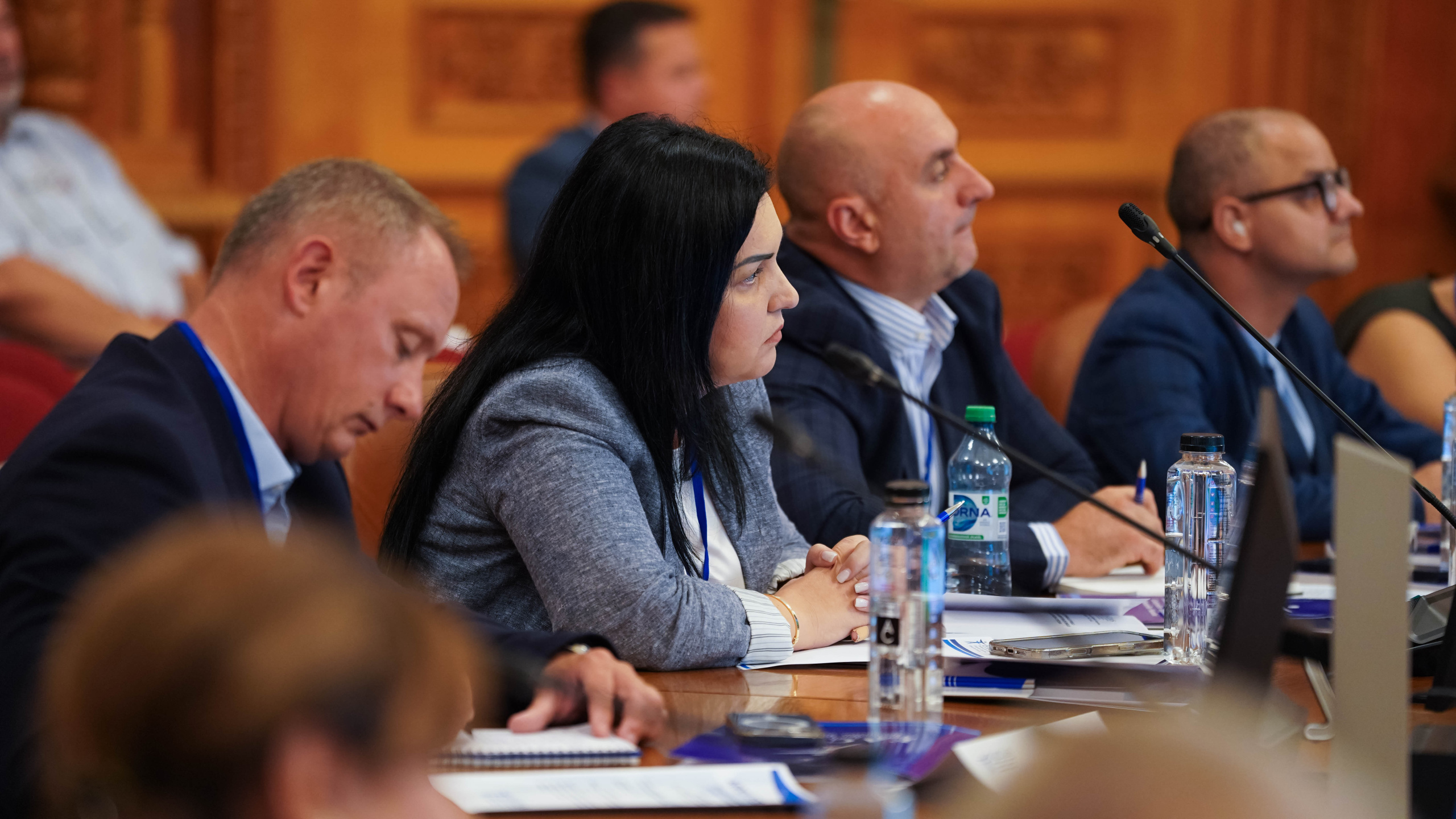
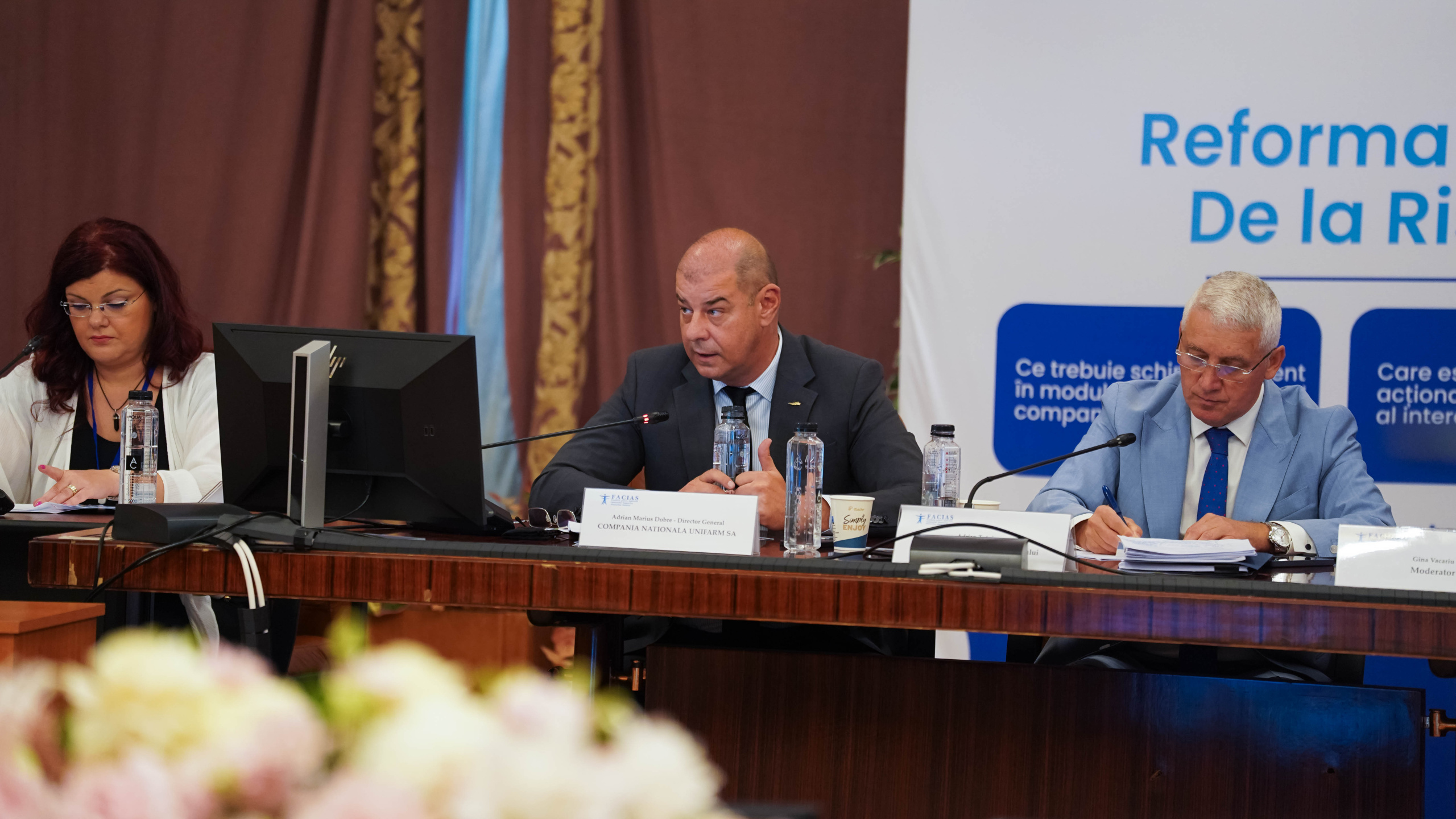
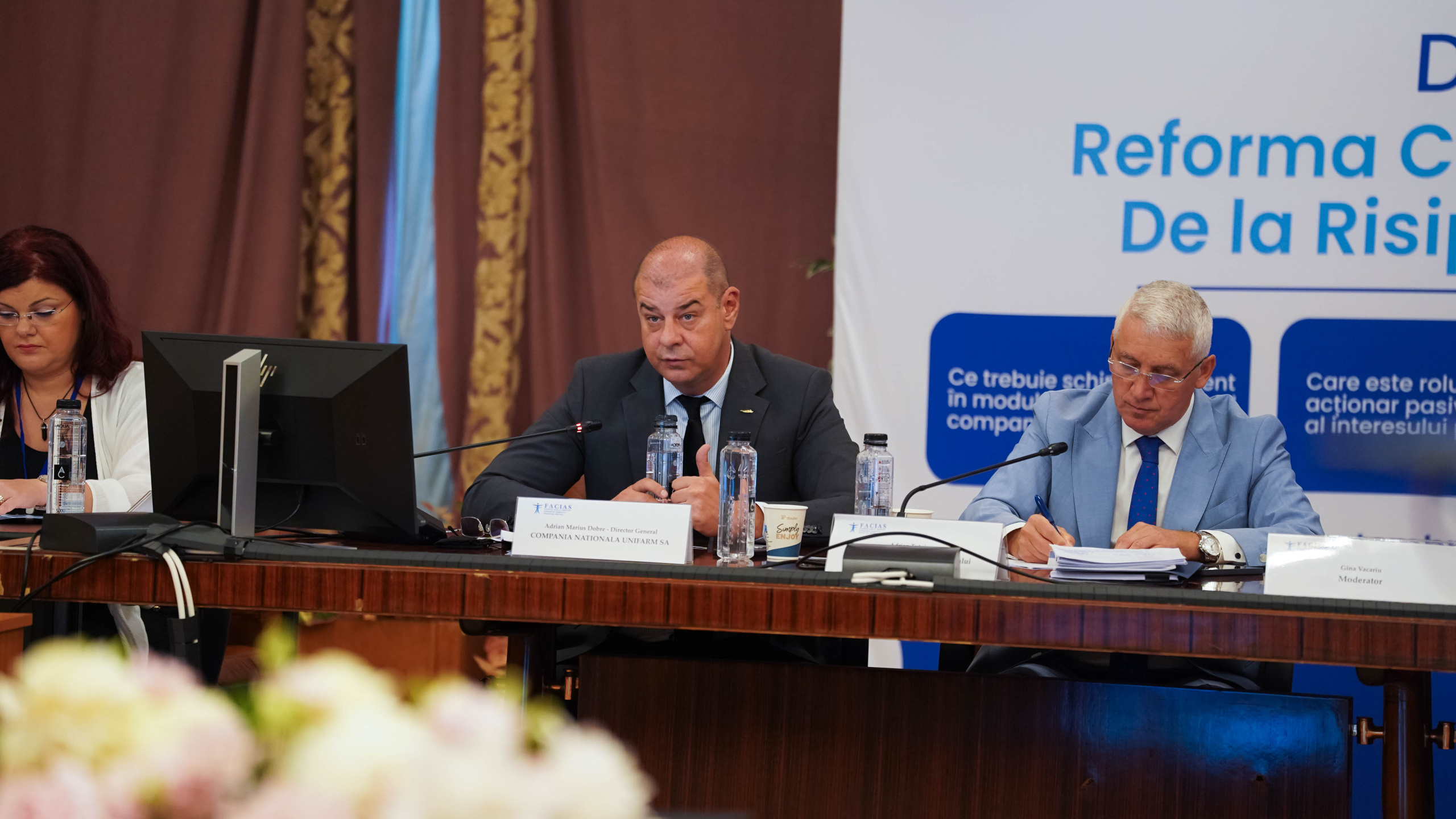
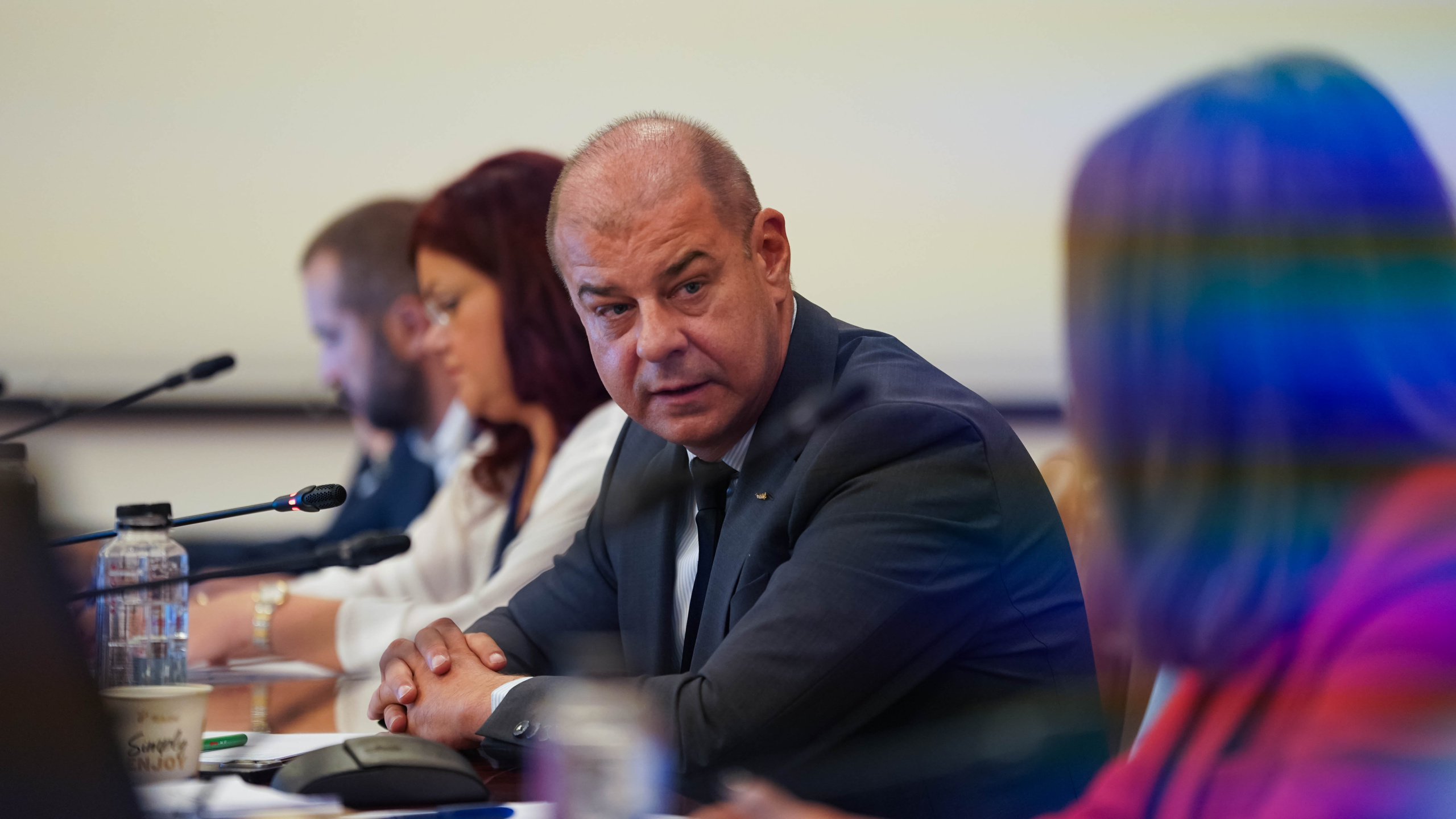
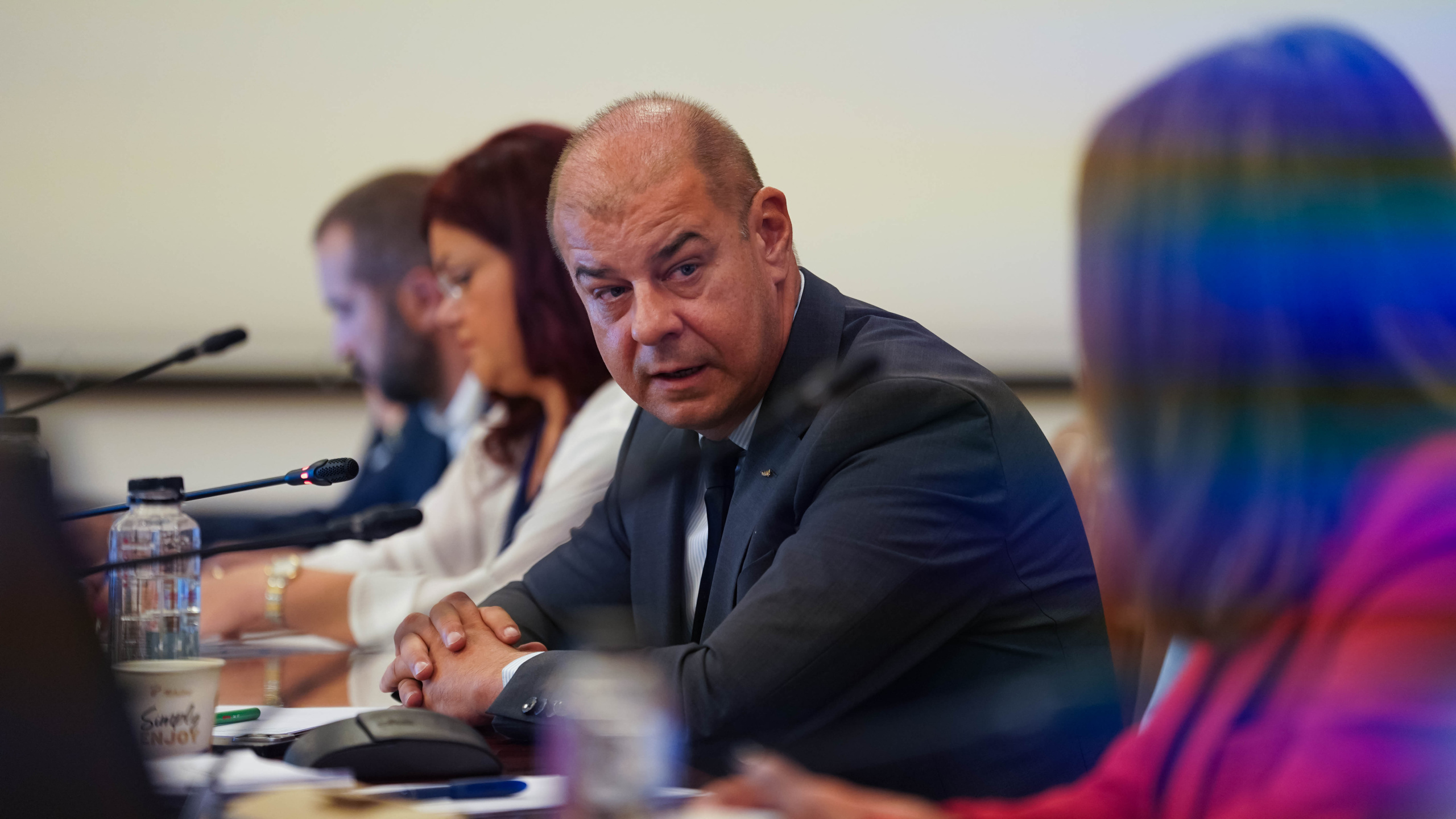
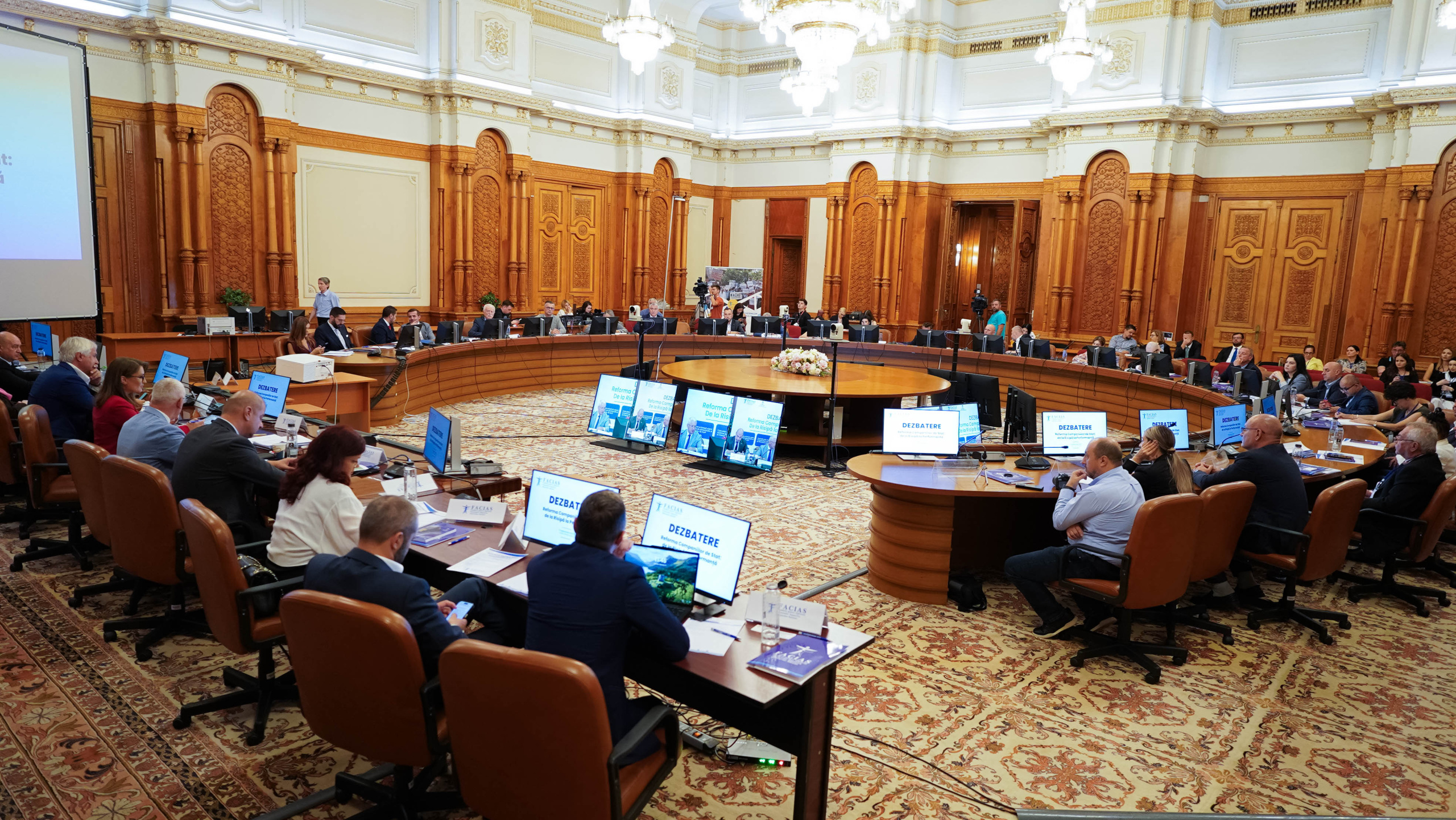
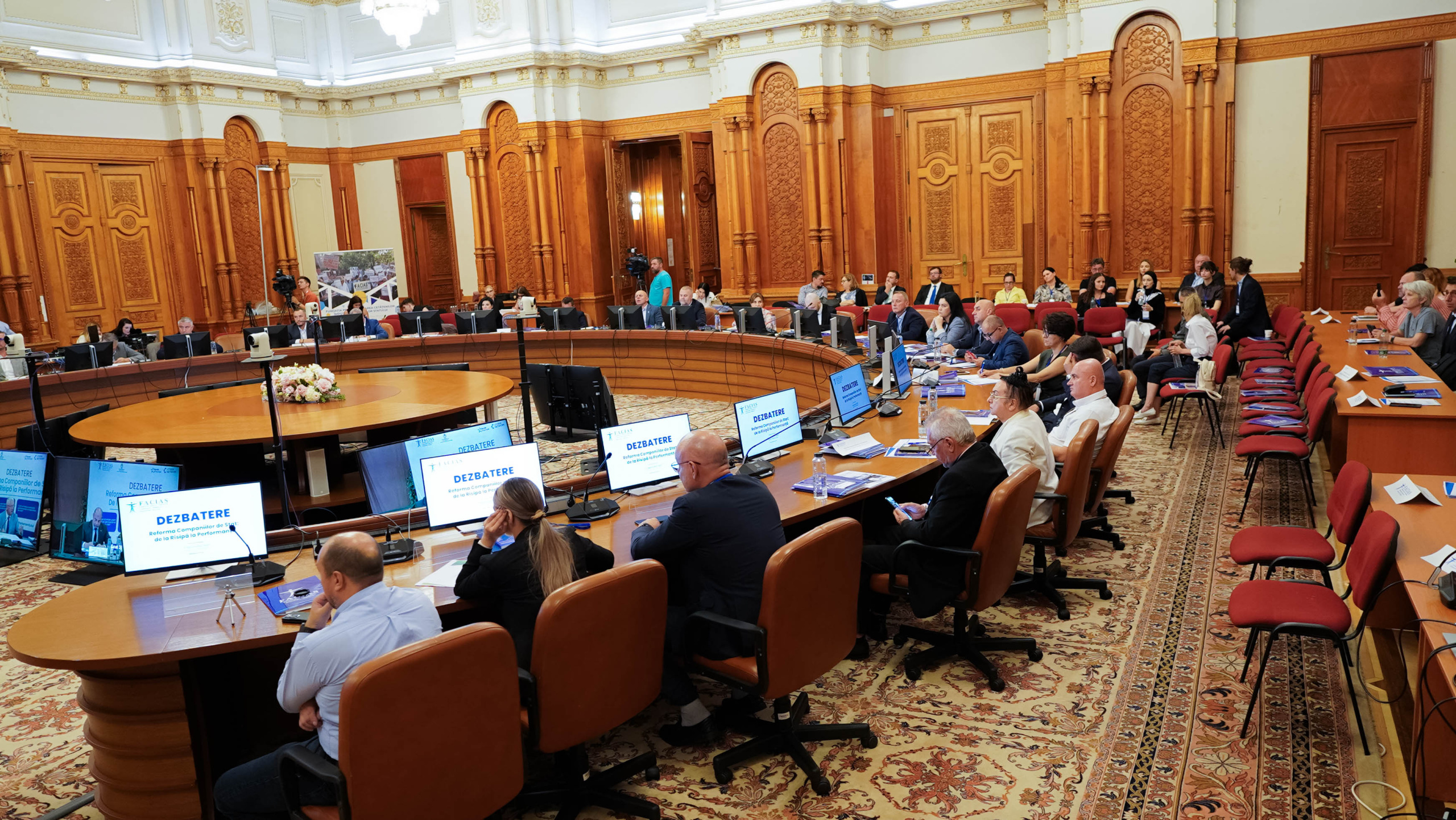
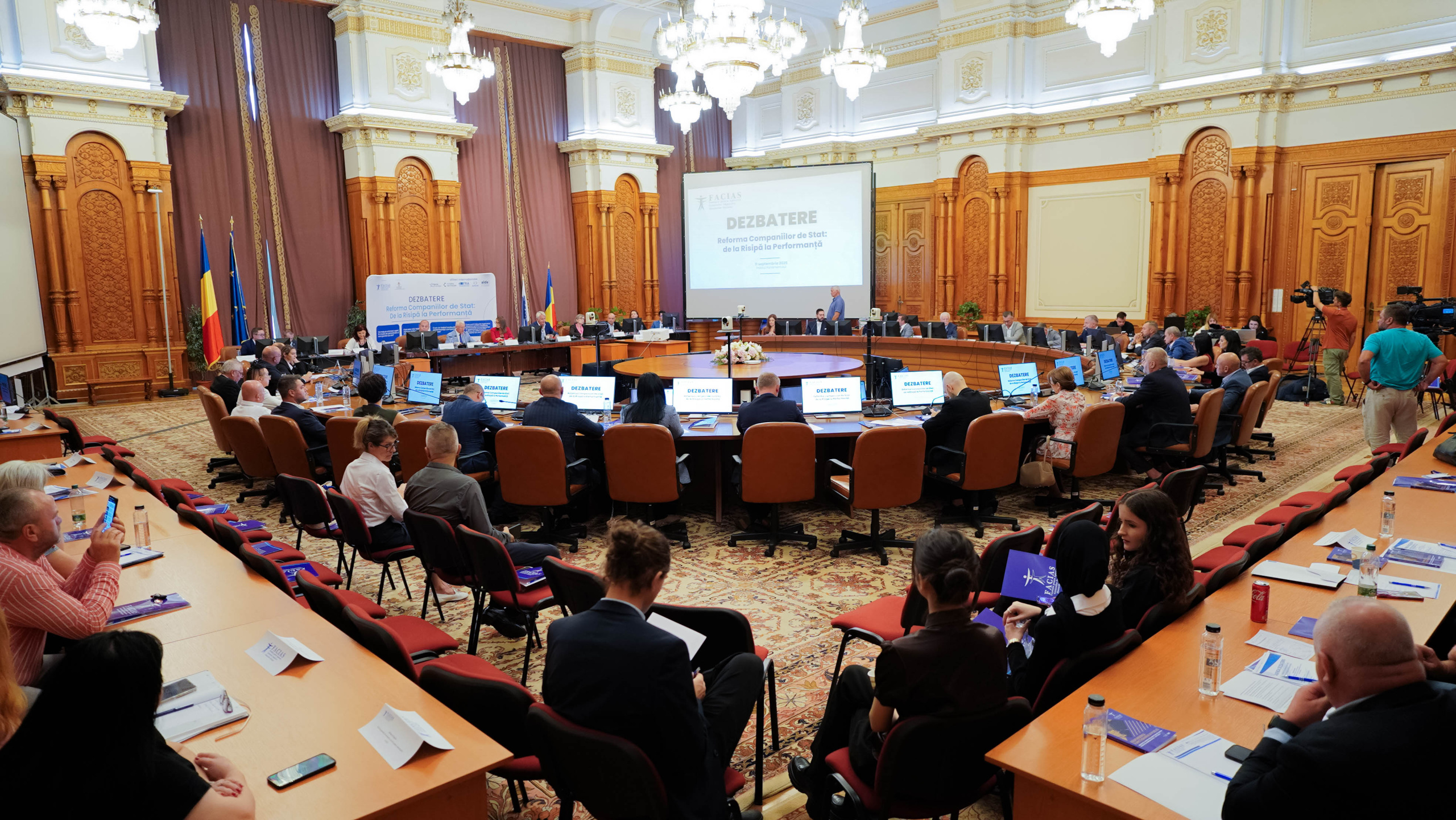
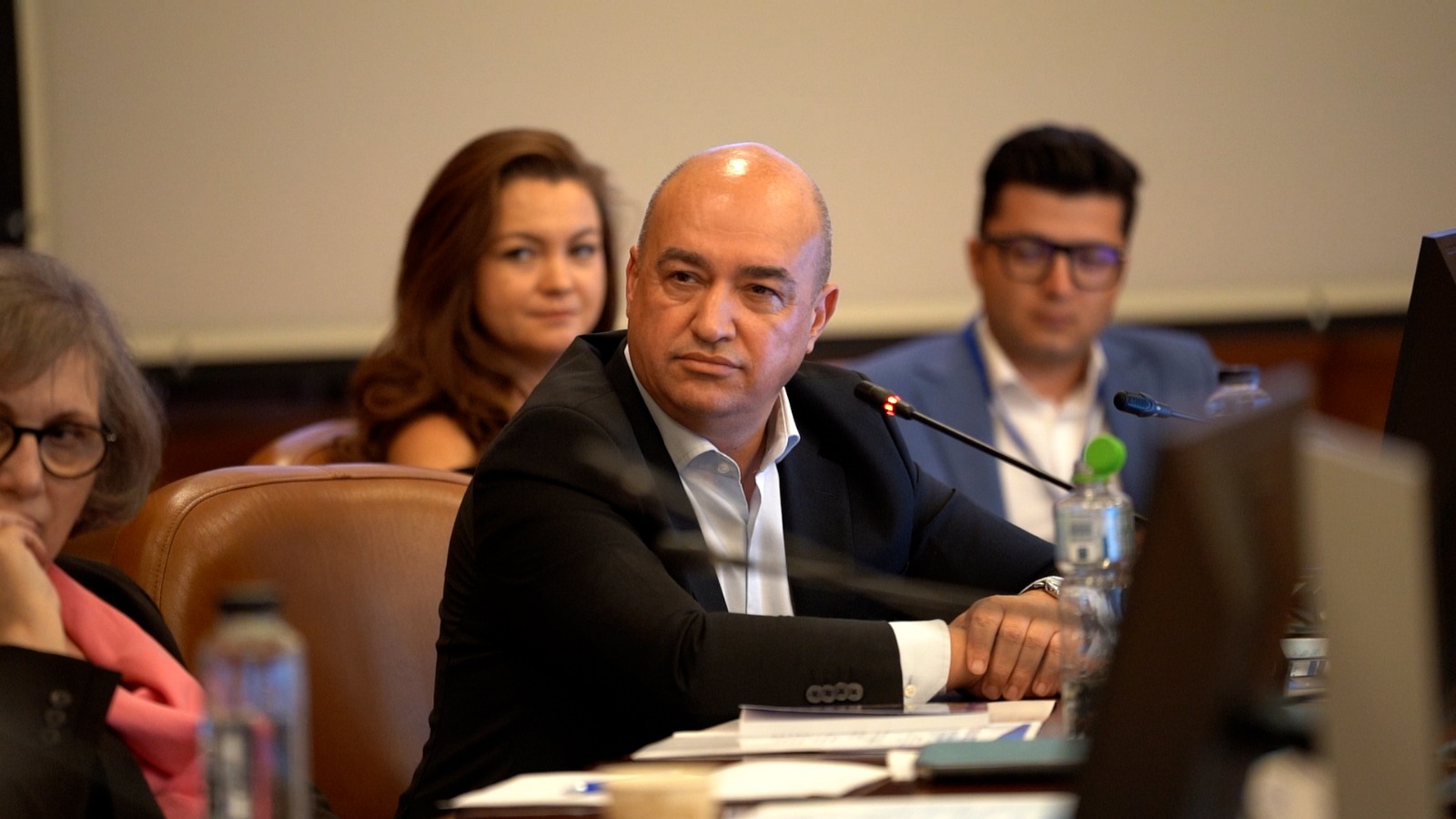
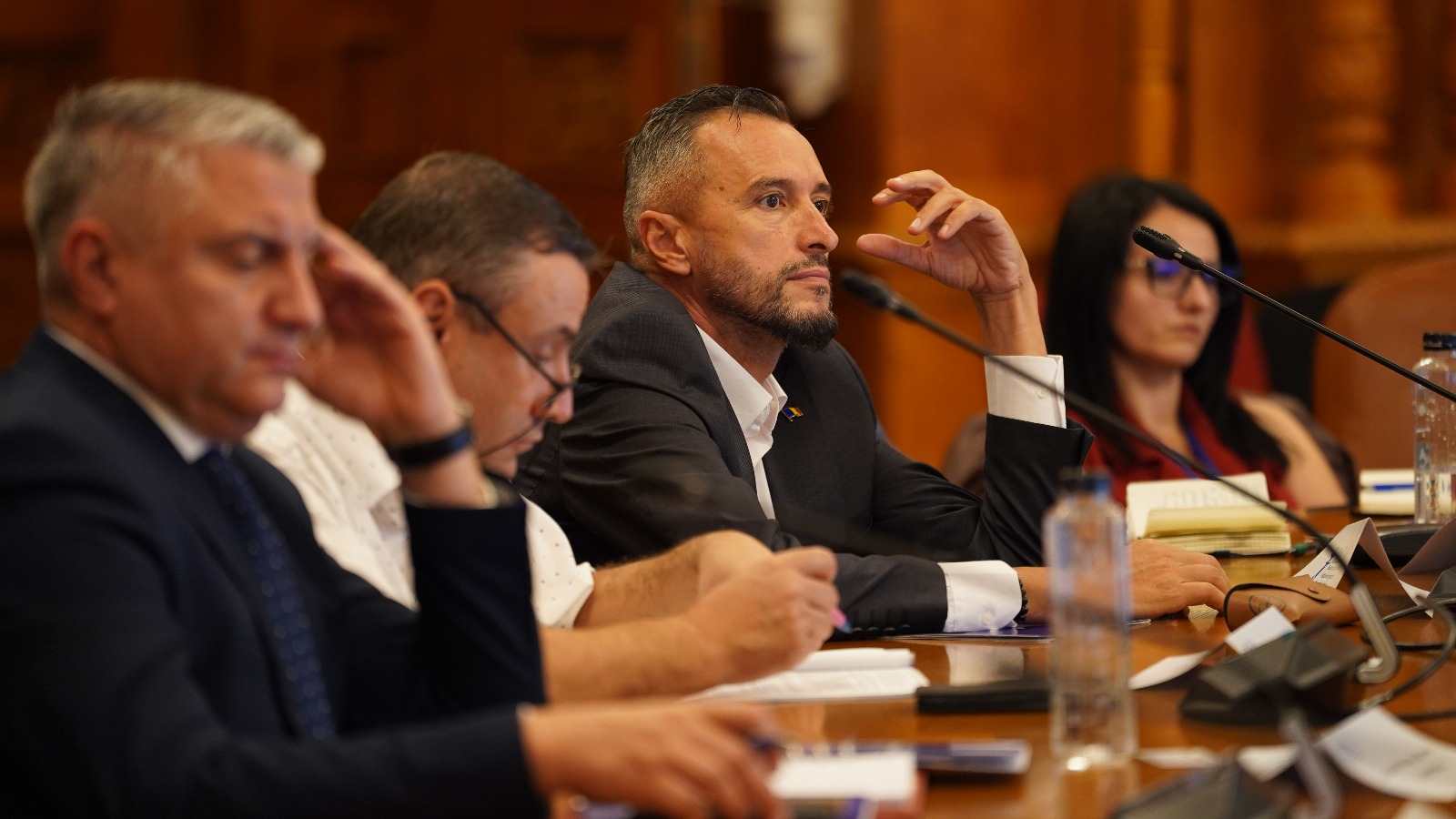
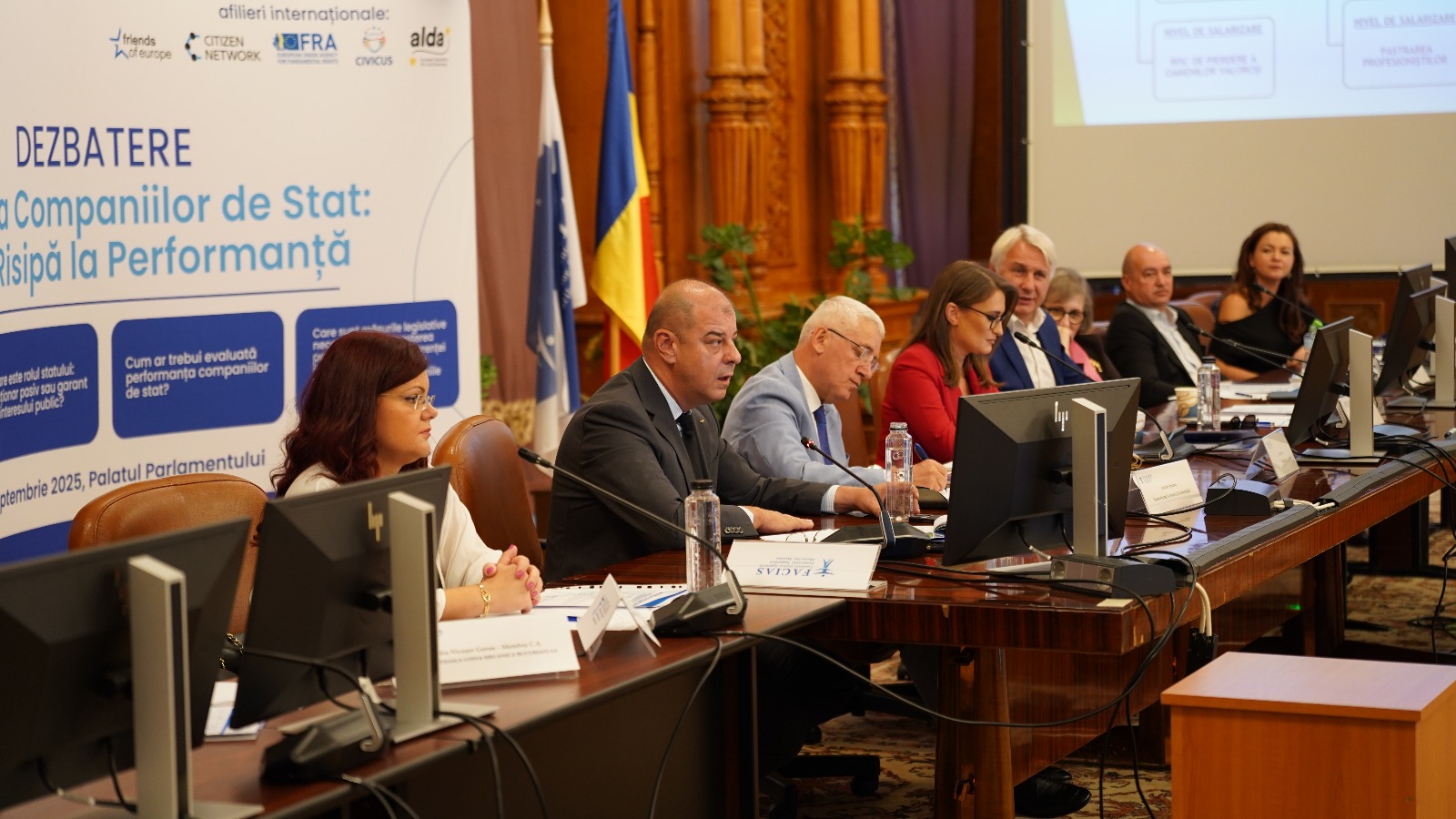
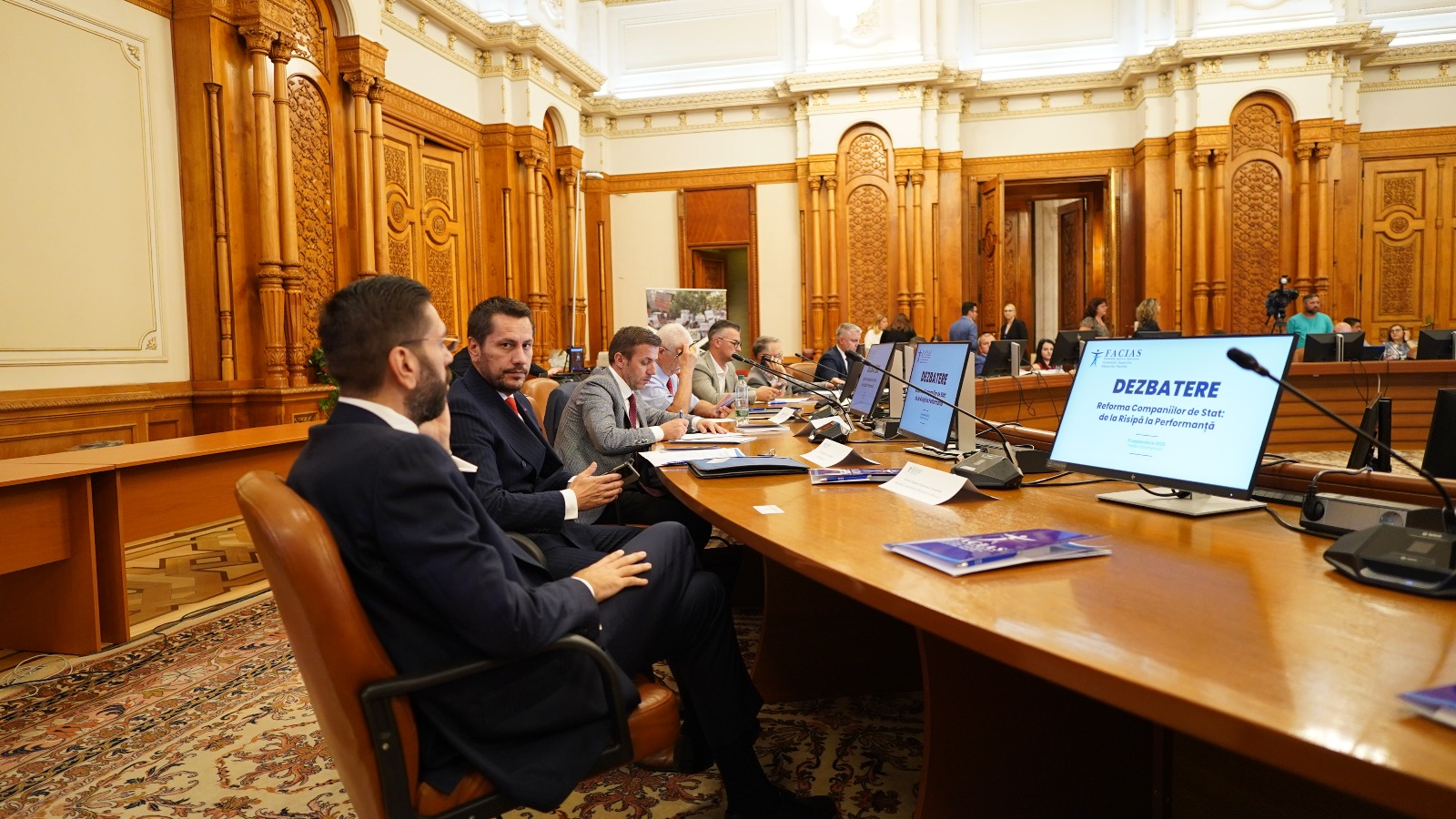
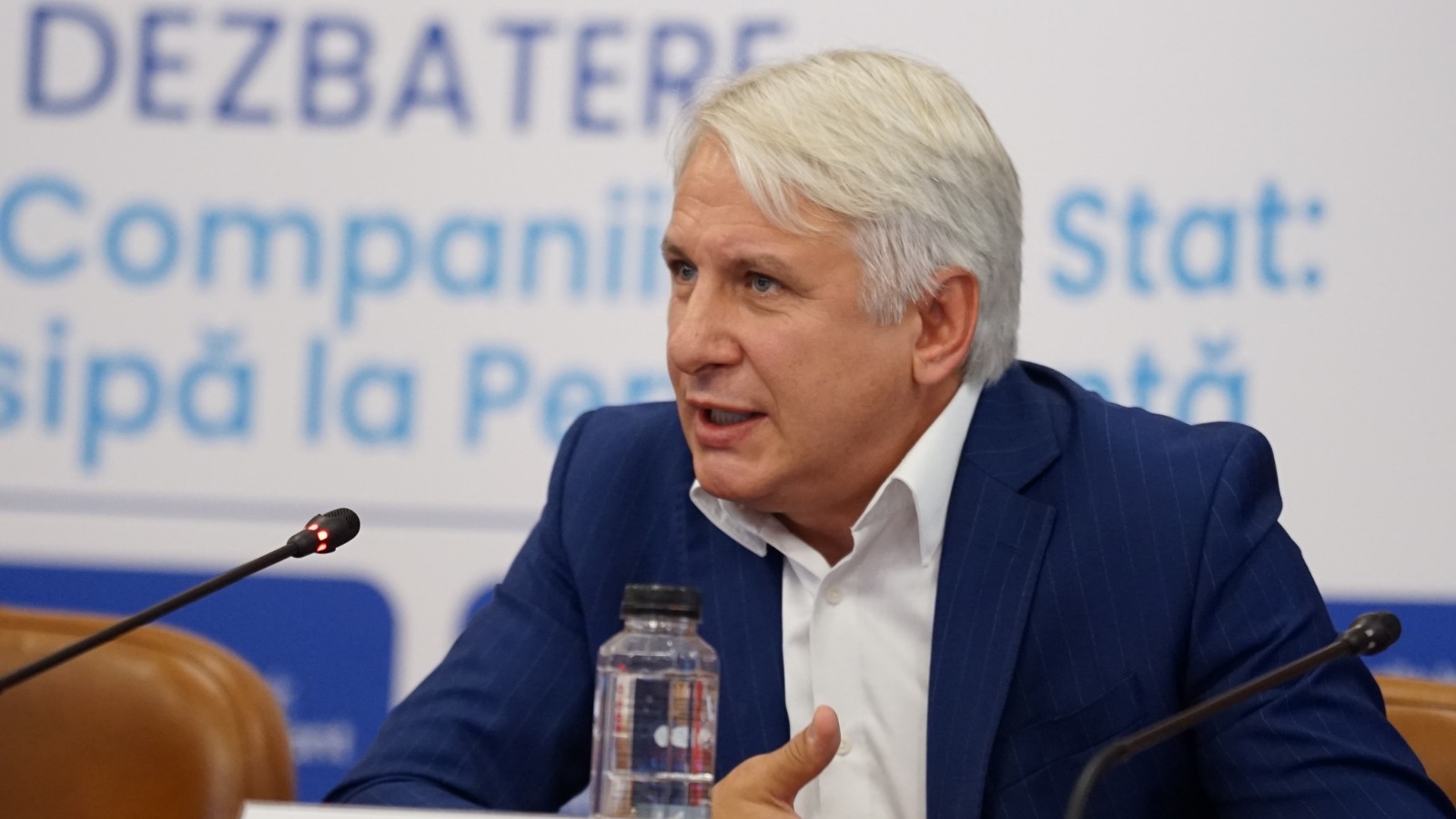
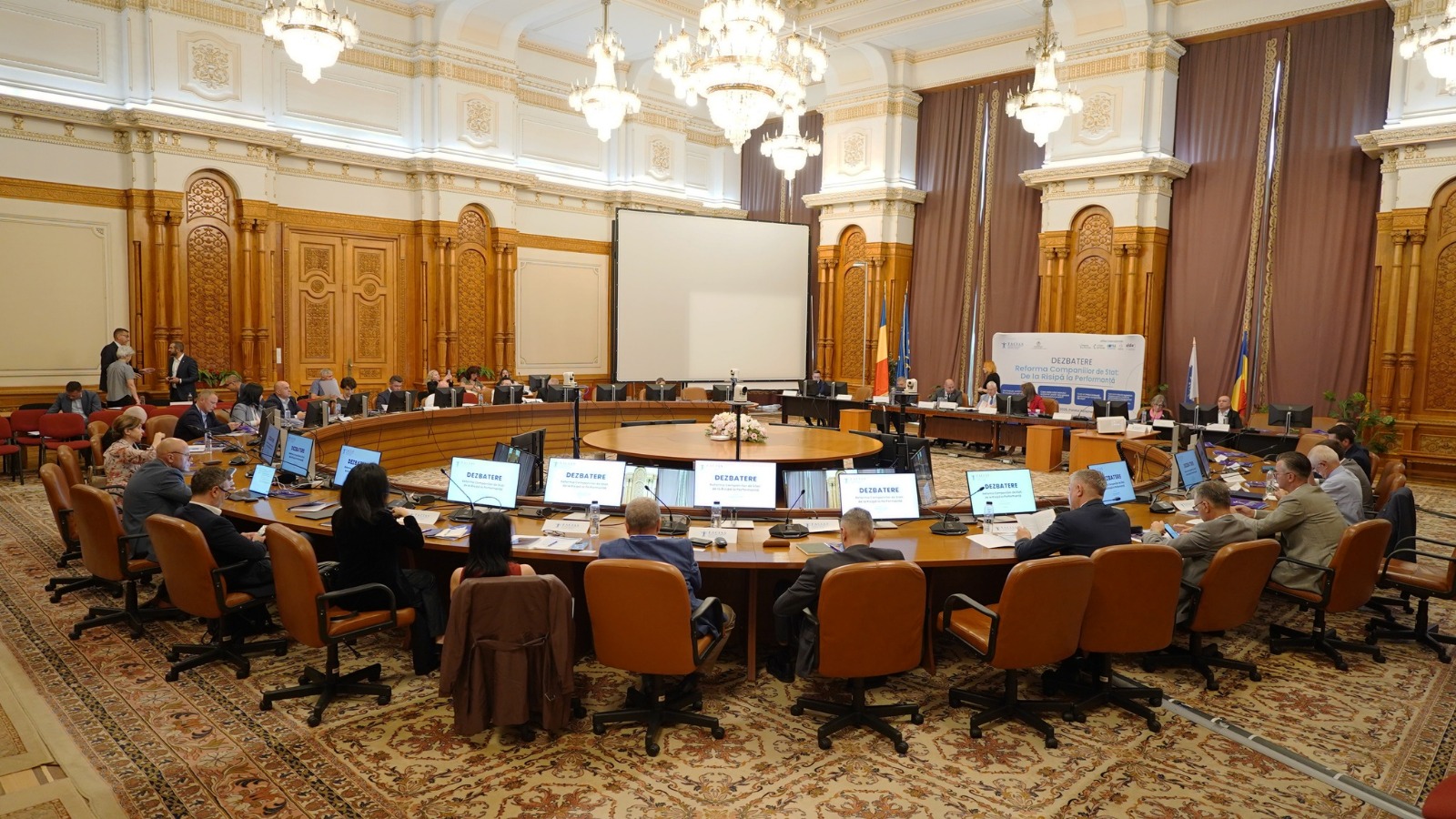
The analysis presented during the debate organized by The Foundation For The Defense Of Citizens Against State Abuses (FACIAS) at the Palace of Parliament, entitled "Reform of State-Owned Companies: From Waste to Performance." showed that Romania loses up to €10 billion due to poor management and waste in state-owned companies. This money could be used for major investments that would directly improve the lives of the Romanian people. This amount could be used to build over 1,100 fully equipped schools or to equip over 100 hospitals. The same amount could contribute to a 15% increase in pensions or a 2% increase in the education budget.
The debate organized by FACIAS revealed a series of clear directions for a real reform of state-owned companies. The discussions highlighted the need for depoliticization and proper governance. The criteria for selecting the management of state-owned companies should be based on competence, not political affiliation, and there should be only one state representative on the boards of directors, selected according to the same rules as any other candidate.
Another proposal made during the debate was the implementation of multi-annual budgets, mandatory investments, and a clear assessment of each company: whether it can be restructured, partially privatized, or even closed.
A major obstacle remains the mentality and excessive bureaucracy, which blocks decisions and discourages performance. Romania must draw inspiration from successful European models and put an end to illegal and politicized appointments, which can even lead to the loss of European funds.
Another aspect discussed was the accountability of managers. Their performance must be measured using indicators tailored to each industry. The role of the Agency for Monitoring the Performance of Public Enterprises (AMEPIP) is crucial in verifying compliance with governance rules. Managers' salaries and careers must depend on results, not political connections. There was discussion about reducing waste by capping excessive remuneration and reorganizing oversized boards of directors.
Participants also called for complete transparency. Companies' financial reports must be digitized and published so that anyone can see where the money is going.
A significant part of the discussions focused on the differentiation of state-owned companies. Some receive subsidies for public services, others play a strategic role for the country, and others compete directly on the market. For each category, the rules must be clear, and subsidies must be justified and separated from commercial activities.
FACIAS emphasizes that reforming state-owned companies is not an option, but a strategic necessity. Through effective corporate governance, depoliticization, digitization, and managerial accountability, the state can transition from being labeled a "poor administrator" to becoming an effective administrator capable of transforming public companies into a genuine engine of economic and social development.
More details and statements can be found in the material published on the FACIAS website:
https://facias.ro/dezbaterea-facias-de-la-risipa-la-performanta-la-palatul-parlamentului-tutuianu-promite-ca-depolitizate-unifarm-arata-cifre-de-revenire-iar-autoritatea-pentru-reforma-feroviara-pu/