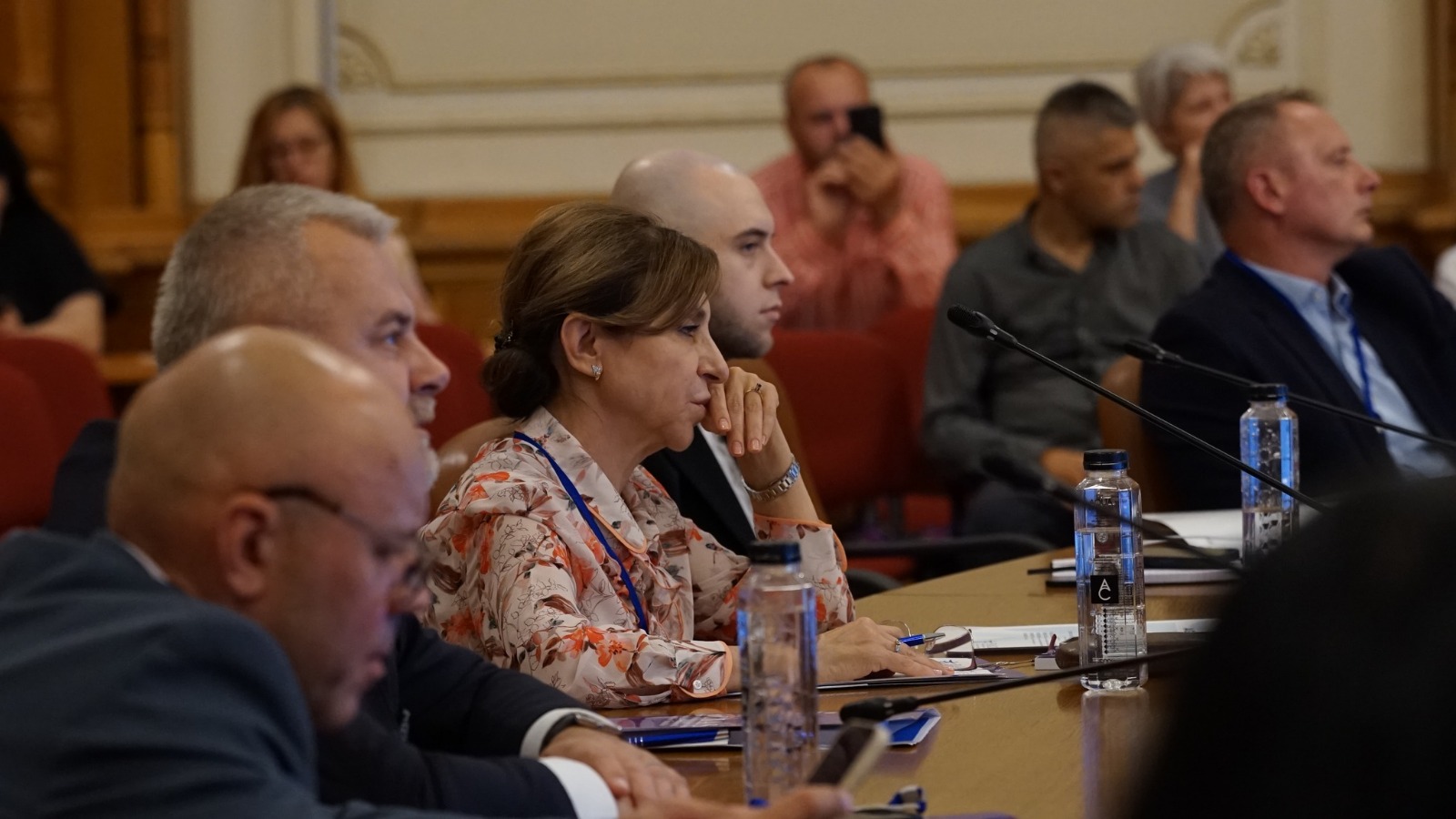
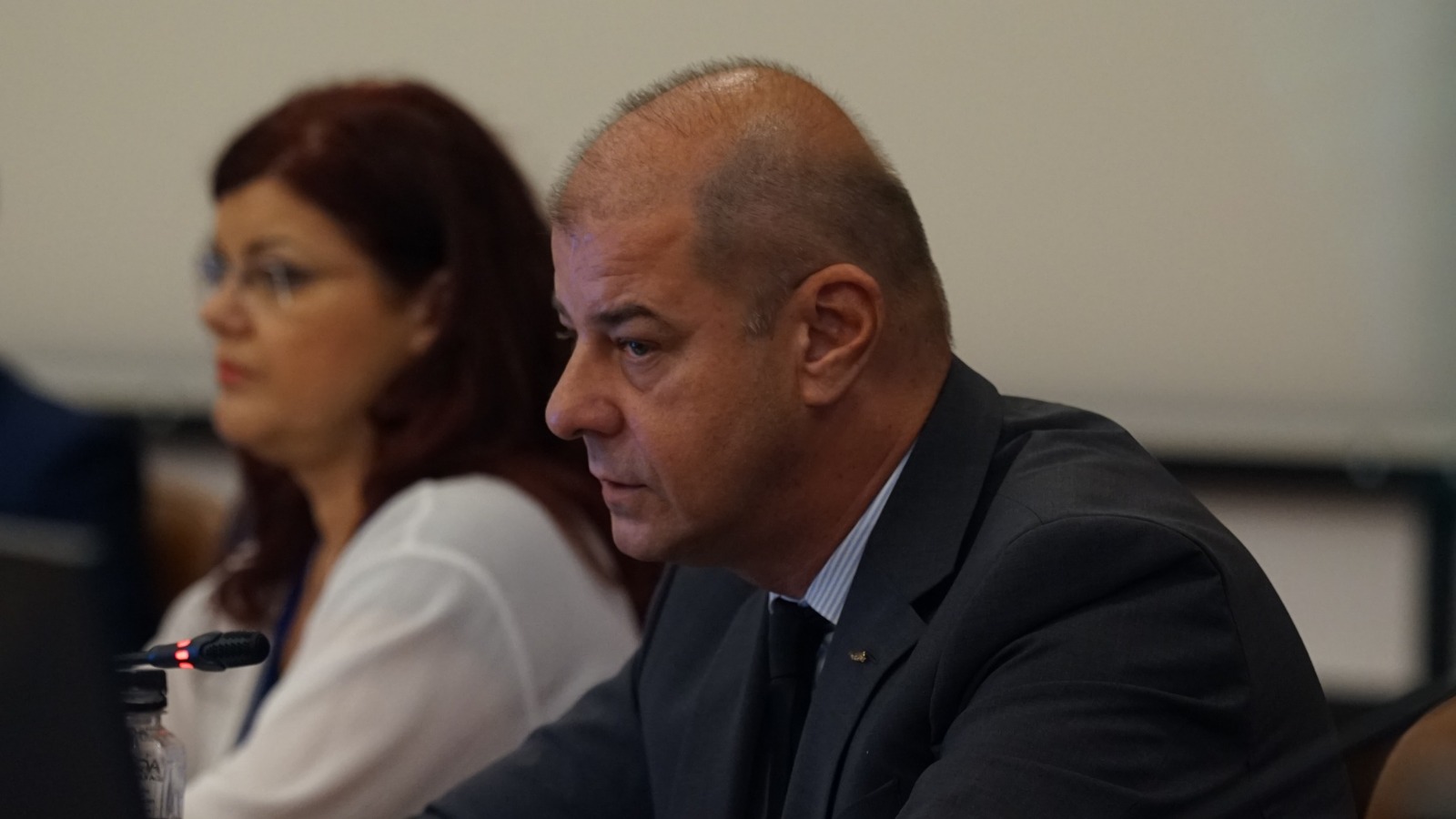
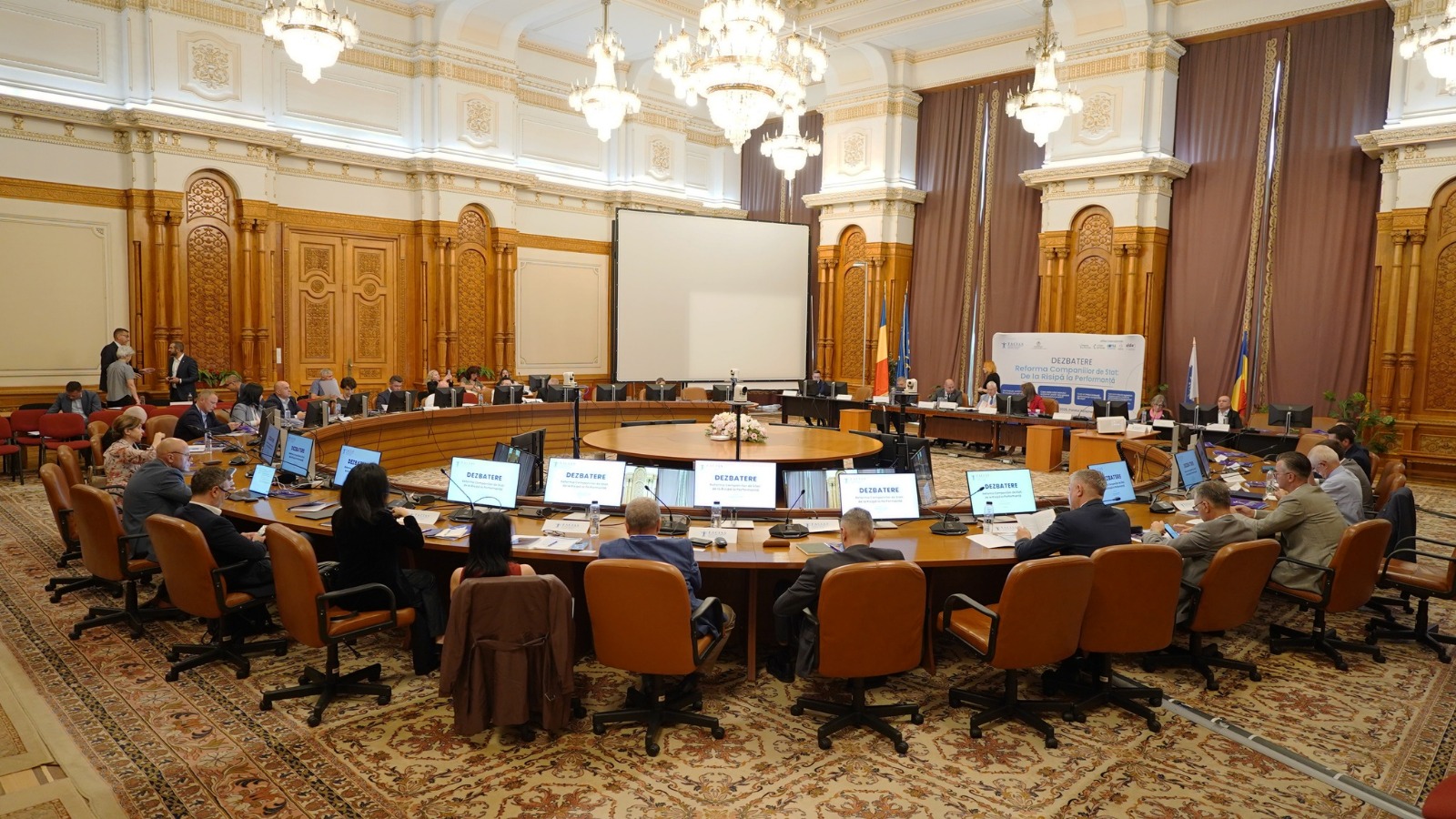
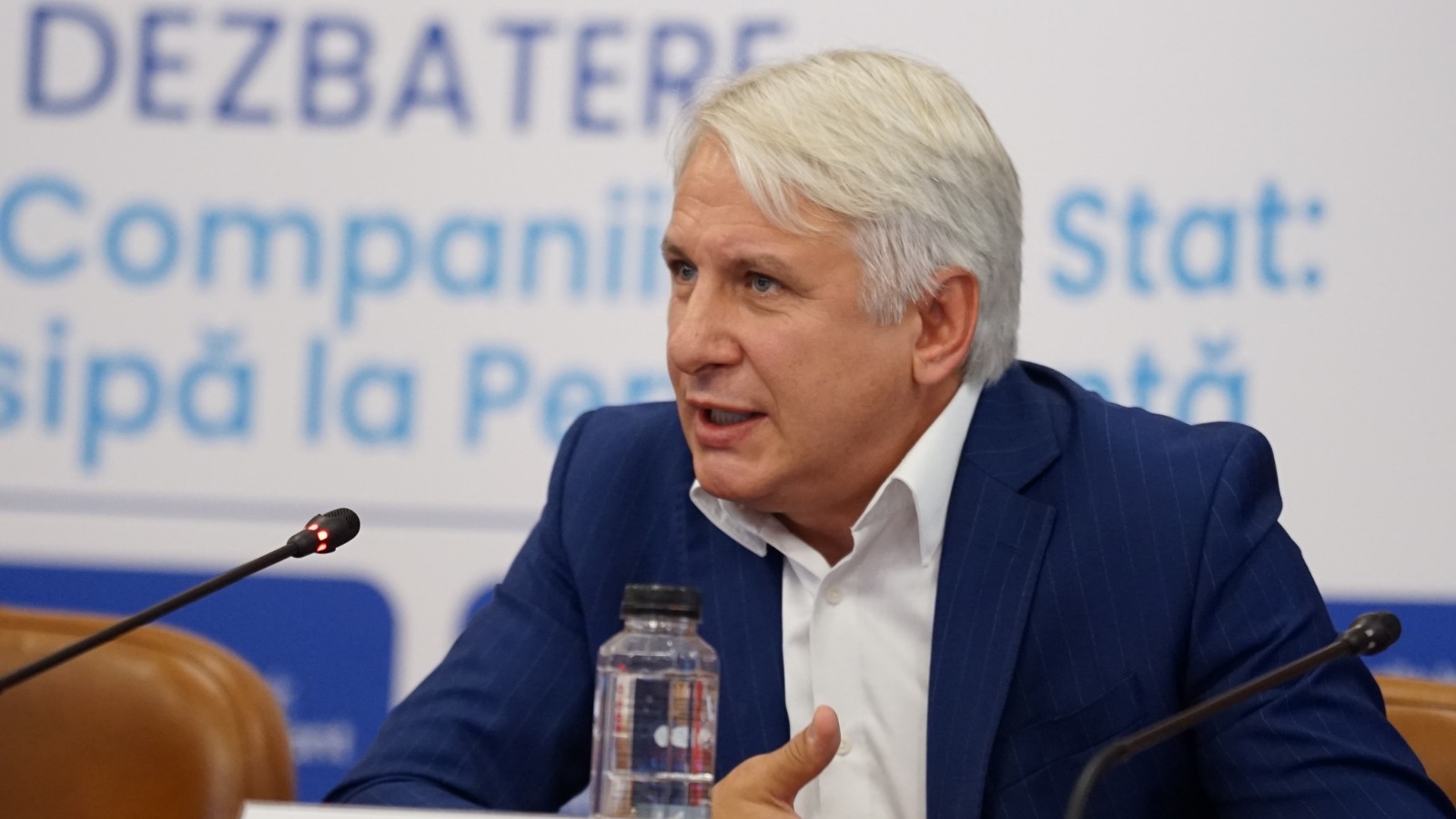
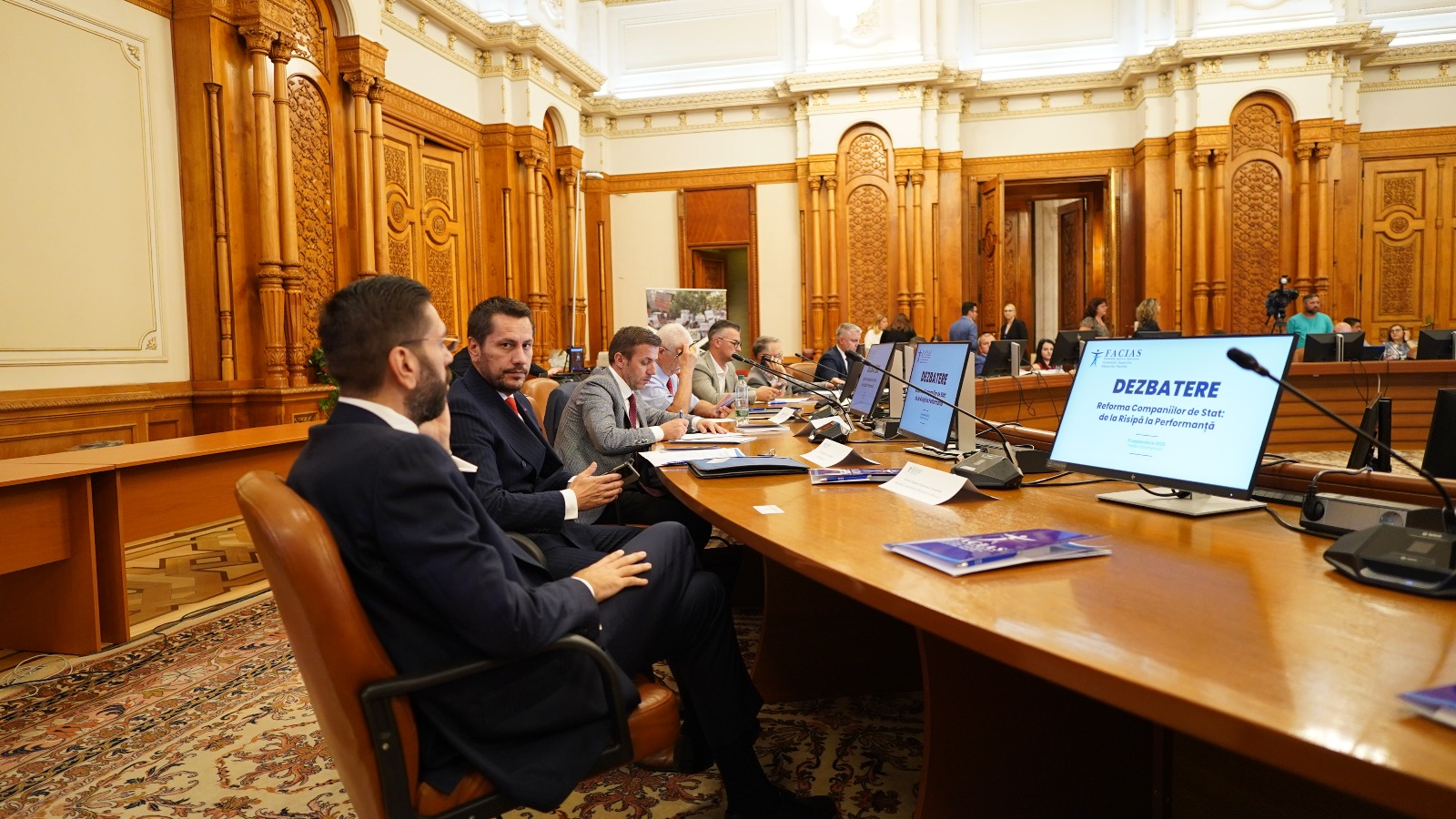
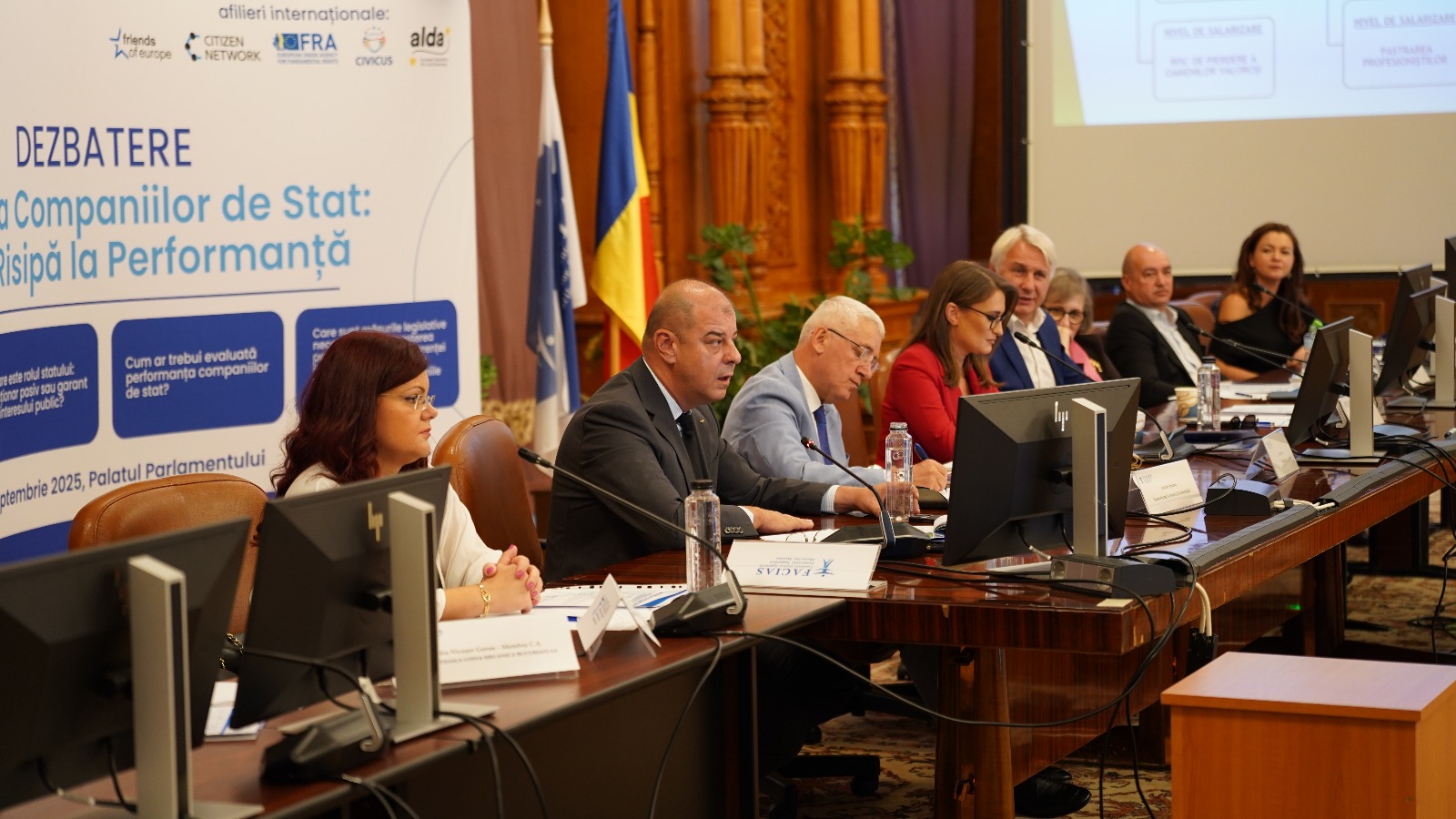
Government officials, managers from public companies, and experts gathered today, September 11, at the Palace of Parliament for a debate organized by FACIAS: "Reform of State-Owned Companies: From Waste to Performance," an event that brought to light uncomfortable truths about how these structures are managed, how waste is cut, and how performance is built in state-owned enterprises.
A lot of public money, few results, and a huge need for change
State Secretary Adrian Țuțuianu summarized the legislative process: the milestones in the NRRP on governance (439–441), Law 187/2023 and subsequent decisions, plus the new package adopted last week, which reduces the number of board members and strengthens OECD standards. The essence of the promise: four-year terms, clear indicators, fewer interim appointments, and the listing of three energy and transport companies on the stock exchange, for discipline and transparency.
He also announced rules to curb political influence: the state will have only one representative on the Administrative Board, and civil servants will no longer be allowed to sit on multiple boards, with short deadlines for compliance with the new caps and rules. "We are not talking about sinecures, but about competence," he stressed.
How much does non-compliance cost? A lot. The case was discussed in the chamber: the European Commission flagged a possible conflict of interest in the appointment of the CEO of Hidroelectrica, with a risk of losing €25 million; the episode was used as proof that "paper-heavy" procedures can still miss the point. Worse still, in terms of governance, Romania already has €330 million suspended due to the management of AMEPIP and another €230 million for non-compliant appointments in energy companies – a clock that is ticking until the situation is remedied.
In the "can also be done by the state" chapter, Unifarm came up with a counter-narrative and figures. The company's director explained that in 2022 the budget was 30 million lei, and today it exceeds 200 million lei; during the same period, the company's value registered with the Trade Register rose from 4.12 million lei to 492 million lei, with positive equity in the 6-month execution. The message: the exit from the post-pandemic desert is real, including through a radical change in the business model. From an operational standpoint: 95% of the team comes from the private sector, procedures have been rewritten, and Unifarm now delivers to all pharmacies in the country and to private and public hospitals, with a firm focus on the mindset that "salary indexation must follow performance, not precede it."”.
In the area of defense, Romarm tempered discussions about "fat salaries" and put two realities on the table: the administrator's salary is 11,000 lei, and the company has restarted investments after a three-decade hiatus, betting that in two to three years it will once again become a player to watch on the international stage.
In transportation, ARF President Mihai Barbu spoke about public service contracts and their effects on the market: last year, compensation was "doubled," but the result was fewer passengers and longer delays—a clear sign that money without indicators does not deliver quality. The ARF is working on massive acquisitions: 137 trains by the end of 2027, with five already in service on the Bucharest-Brașov and Bucharest-Constanța routes; supplier delays will be subject to penalties, Barbu promised.
From the consulting/restructuring side, the conclusion was just as pragmatic: without indicators, we cannot distinguish performance from inefficiency. And state-owned companies often stifle productivity with bureaucracy – "impeccable files for 10 years of audits" and hundreds of procedures that slow down decision-making. The proposed recipe: governance, clear KPIs, repeated evaluation, and agility comparable to the private sector.
At the end of the debate, FACIAS announced an editorial initiative to be completed by the end of the year—a volume containing conclusions and proposals that will be presented to decision-makers and parliamentary committees. The objective is for the debate to become a working tool for reform.