HISTORY
Here is the ideological basis of our work:
"American Declaration of Independence (1776)" and "Declaration of the Rights of Man and of the Citizen (France, 1789)".
With all its amplifications and developments, the idea of inalienable human rights has changed the meaning of human-society and human-state relations. Whereas in pre-modern times, man was seen as an ingredient of the community and as a subject of the state, as a subordinate, the spread of the idea of universal individual rights reverses this relationship: man does not exist to serve society and be subject to the state, but society exists and functions to enable people to defend their rights and freedom from any aggression or abuse; the citizen does not exist to subordinate himself to the state and serve it, but the state is called upon to serve the individual, to defend his rights and to create optimal conditions for his development, personal affirmation and fulfilment. It is therefore the people and their aspirations to fulfil themselves, their capacities and their creativity that are primordial, not society or the state. The idea, as I believe I have already mentioned, is common to political liberalism and classical European humanism, and it lies at the heart of humanist doctrine. We believe that it remains of utmost relevance and importance, because part of the permanent tendency to abuse power is also its tendency to use the citizen as a pawn, as a mere tool of influential groups, and not as the goal of politics: power is always prone to use people for its own purposes of domination and control, instead of fulfilling its fundamental duty: that of serving the affirmation of the creative potential of the individual. The struggle against this tendency is therefore permanently necessary, and the humanist movement makes it its central priority.
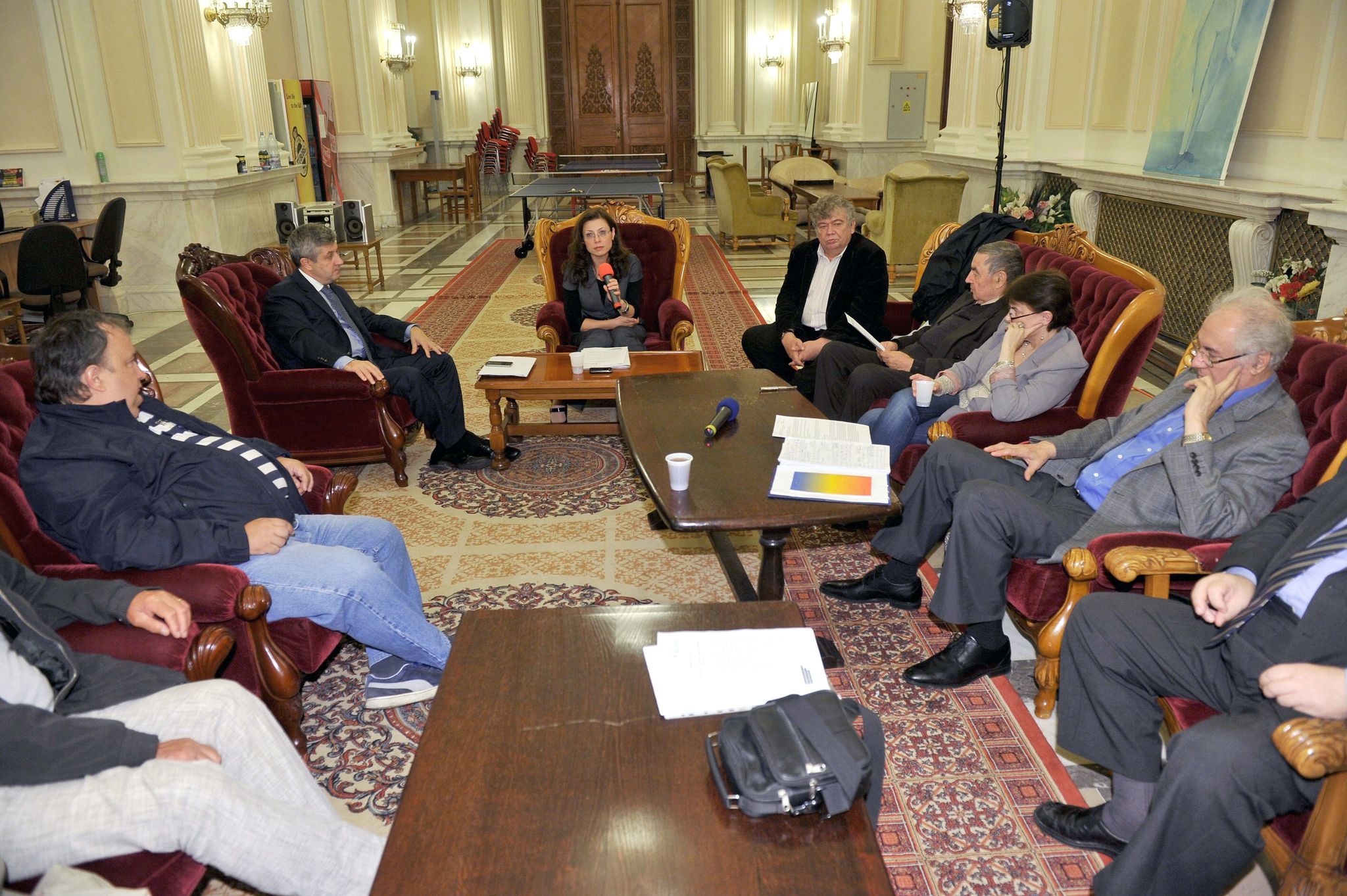
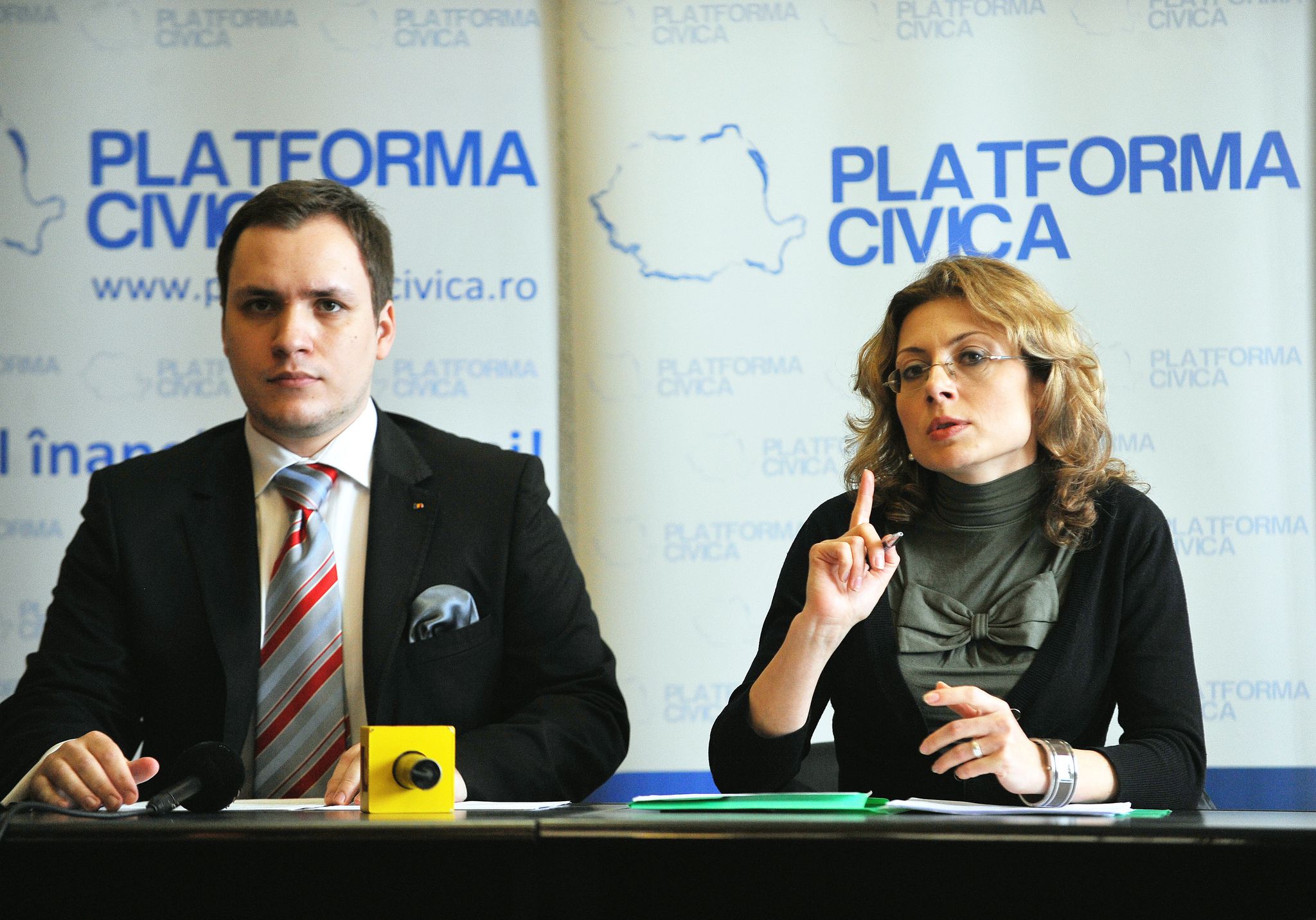
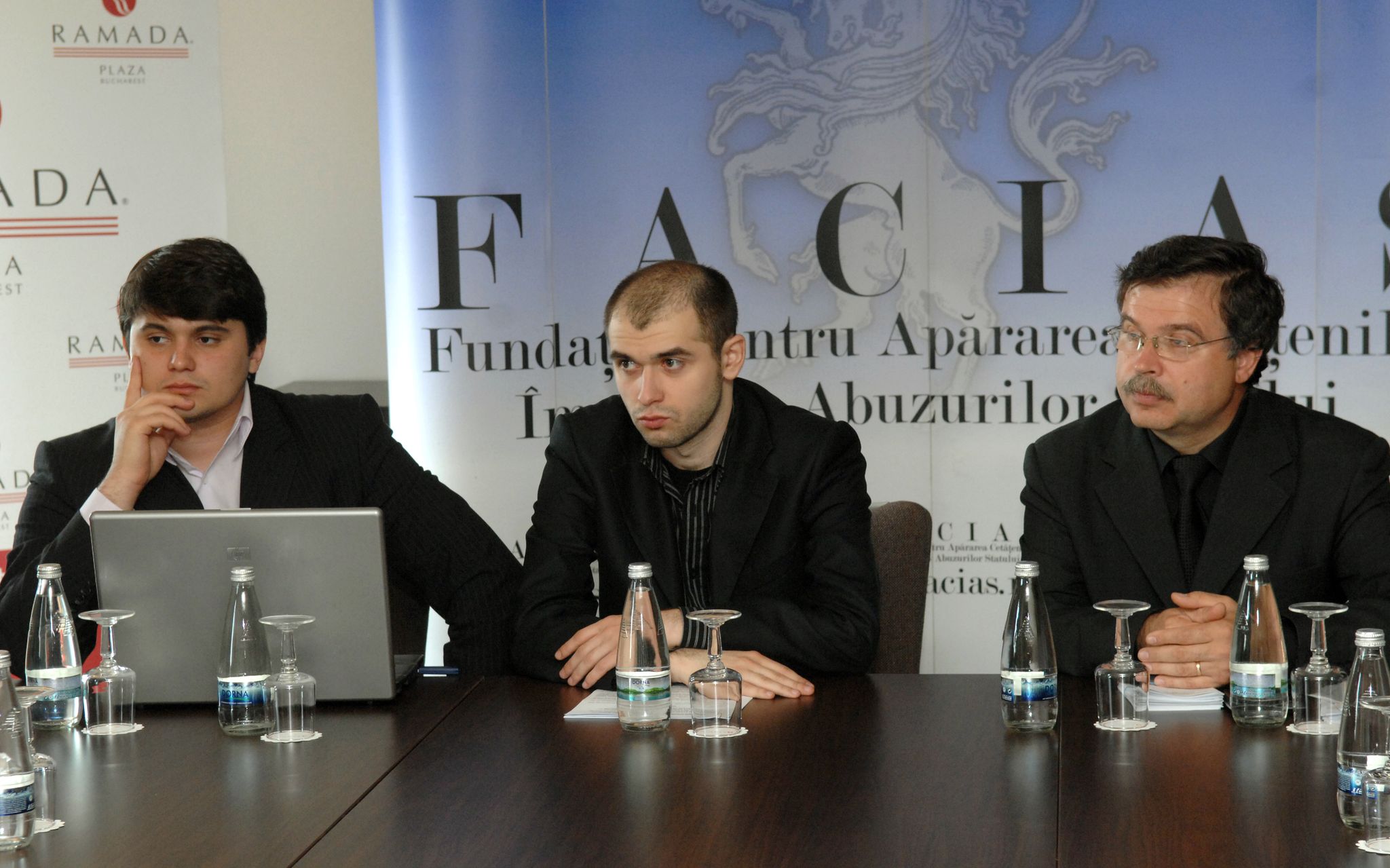
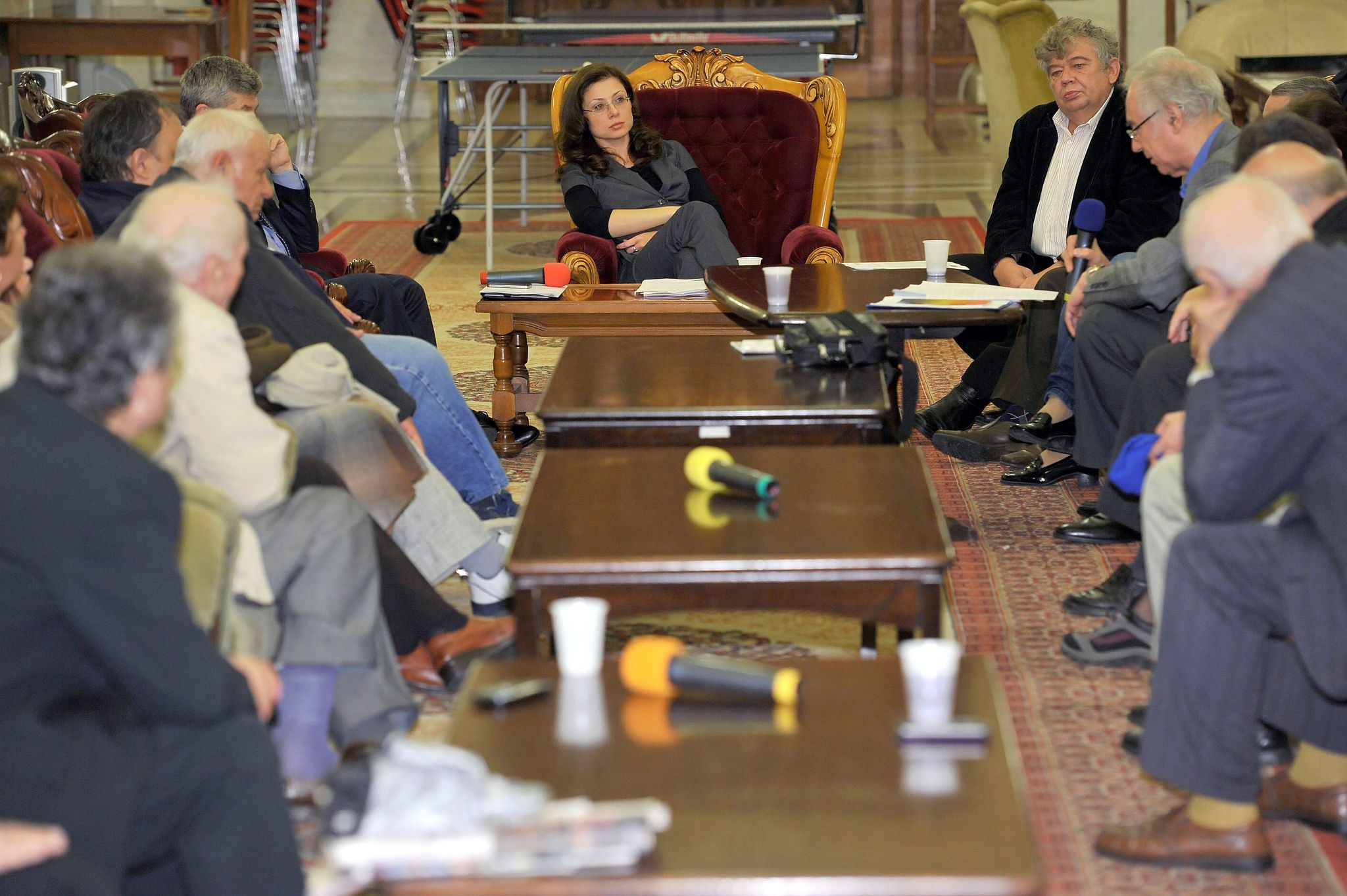
FACIAS mission / activity ensures the protection of fundamental rights and freedoms in accordance with the Universal Declaration of Human Rights (UN)