

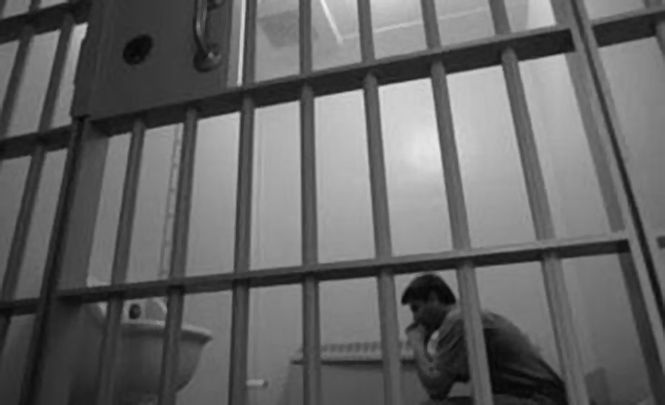
The Foundation For The Defense Of Citizens Against State Abuses (FACIAS), fighting for the rights of all citizens in Romania, has carried out a series of actions regarding people serving custodial sentences and who have suffered abuses by the state, by limiting the rights provided by law.
Specifically, in the context of the COVID-19 epidemic in Romania, Decree No 195/2020 established a state of emergency and provided for a series of exceptional measures imposed during this period. Part of these measures concerned the justice system (Annex 1, Chapter V), and measures were foreseen which considerably restricted the exercise of the main rights and benefits which in practice ensure respect for the right to private and family life of persons deprived of their liberty while serving their sentences. By way of example, we mention the right to visit and the right to receive goods through the visiting sector, the exercise of which has been suspended.
FACIAS has asked the National Administration of Penitentiaries, the Romanian Government, the Minister of Justice and the Ombudsman to take legal measures so that the rights of this category of individuals can be exercised effectively, in compliance with the rules of protection and health safety. Thus, without questioning the reason and aim for which these measures were instituted, understanding their importance and necessity, as well as the desire to protect the right to life and health of any person, regardless of their status at any given time, but stressing at the same time that limitations on the exercise of these rights must not affect their essence, FACIAS pointed out that the solutions offered in "compensation" (extension of the exercise of the right to telephone calls and on-line communications) must be proportionate to these substantial limitations and must represent an effective, and not an illusory, alternative for achieving the stated aim of "favouring the relationship with family and relatives for the period of the state of emergency".
Following FACIAS's approaches, the National Prison Administration has ordered the necessary measures to reduce, during the period of emergency, the rates charged for telephone calls, as well as to ensure the supply and maintenance of realistic prices of consumer goods by all commercial operators serving commercial facilities inside prisons (or even reduce the prices of products sold).
At the same time, in the above-mentioned approaches, given that prisons are epicentres for infectious diseases, due to the higher level of risk factors for infection, the inevitable close contact in often overcrowded, poorly ventilated areas, unsanitary facilities and poor access to health services in relation to the civilian population, also taking into account the fact that the prisons of the National Administration of Penitentiaries are exposed to the phenomenon of overcrowding, which remains unresolved after the abrogation of Law no. 169/2017 on compensatory appeals and the continued passivity of the national authorities in adopting alternative measures, FACIAS called on the responsible authorities to take into account the invitation made on 25.03.2020 by the United Nations High Commissioner for Human Rights, Michelle Bachelet, who proposed urgent radical measures, urging "governments and competent authorities to act swiftly to reduce the number of people in detention" by releasing, for example, "the oldest prisoners, the sick and low-risk offenders".