

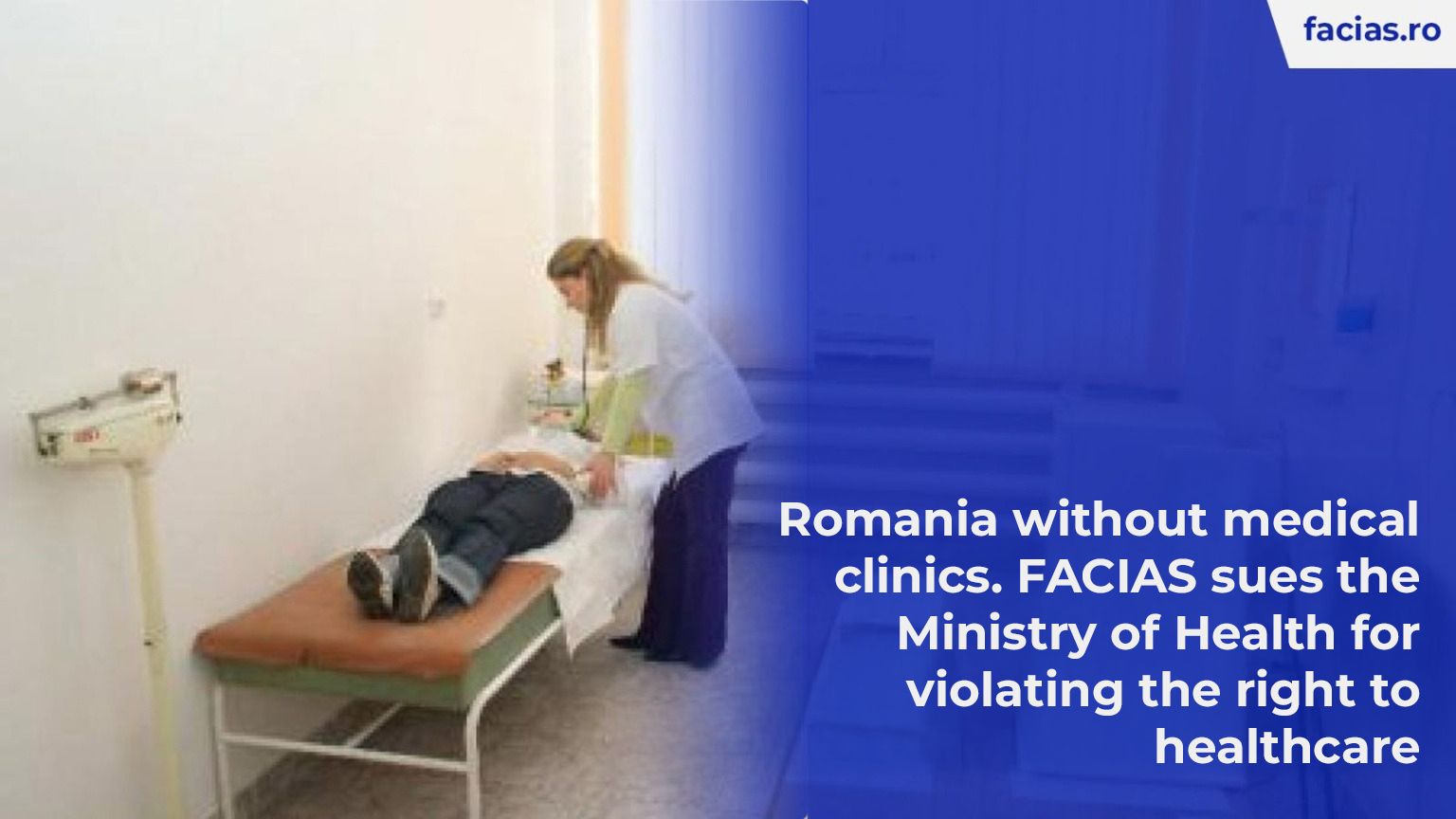
According to the National Institute of Statistics, there are only 793 medical practice offices in rural areas. This means that in over 2000 villages in Romania there is not a single practice office. In rural areas, there is one family doctor for every 2300 people!
The Ministry of Health had a legal obligation to issue the necessary implementing rules for the establishment of medical practice offices in accordance with the provisions of Government Ordinance No. 9/2025, which entered into effect in January. However, the order has not been issued to date.
It is of note that more than two months have now elapsed since the stipulated deadline for the publication of the order, and the Ministry of Health has not yet adopted the regulations that would permit the establishment of medical practices in other locations. Consequently, a significant proportion of the Romanian population remains deprived of access to fundamental healthcare services within their immediate vicinity, and the legislation remains largely ineffectual.
The Foundation For The Defense Of The Citizens Against State Abuses (FACIAS) has asked the Ministry of Health to issue, without delay, the order required by law. If the Ministry fails to adopt the implementing rules within the legal deadline of 30 days, FACIAS will take the matter to court and request that the Ministry be ordered to issue the order.
In practical terms, OG no. The 9/2025 initiative outlines the framework for the operation of medical cabinets across a range of institutional settings. The primary objective of this initiative is to enhance accessibility to healthcare services for the general populace. Consequently, medical cabinets can be organised within public social welfare institutions, especially where there are already outpatient neuromotor rehabilitation centres for adults with disabilities, to include rehabilitation, physical medicine and balneology services. The act also enables the establishment of medical cabinets in educational institutions with a view to providing fundamental health care for pupils, as well as for legal entities for the benefit of their employees through internal prevention and protection services.
This regulation, which has been awaited for years, corrects a chronic shortcoming in health legislation and responds to the real needs of the population, especially vulnerable groups: children, people with disabilities, the elderly, the chronically ill or employees in areas where access to health services is limited.
It is evident that the law cannot come into effect in the absence of the Minister of Health's directive. It is important to note that rehabilitation centres within social institutions are unable to operate legally, despite possessing the necessary premises and qualified staff. Educational institutions are unable to furnish students with fundamental healthcare provisions, while businesses are similarly incapable of implementing preventative measures for their workforce. This has had a detrimental effect on the already overloaded and underfunded public health system.