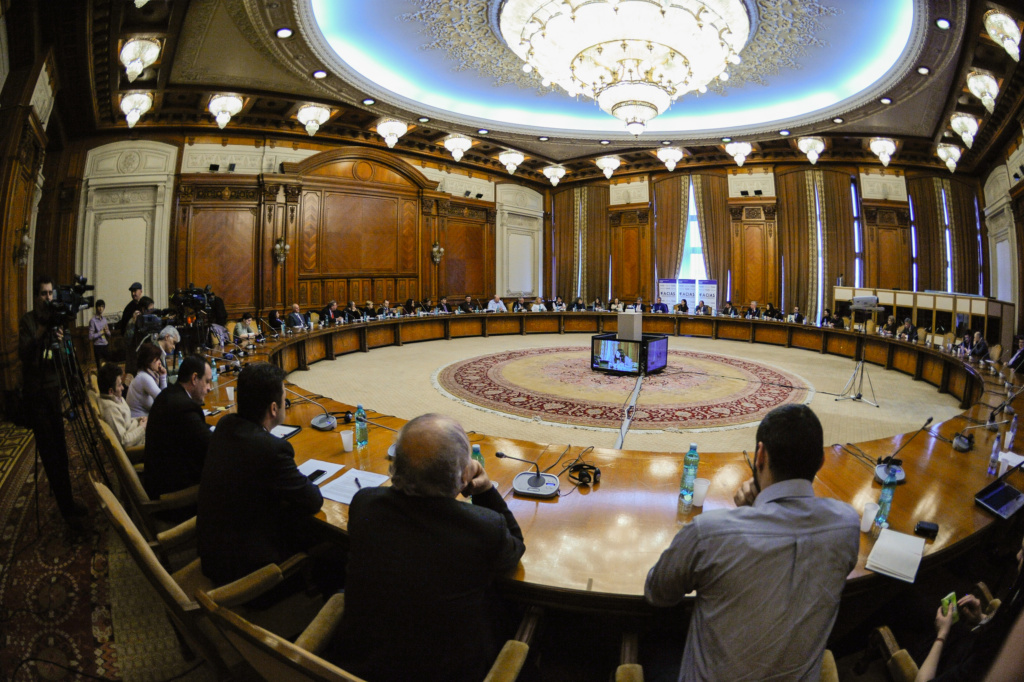
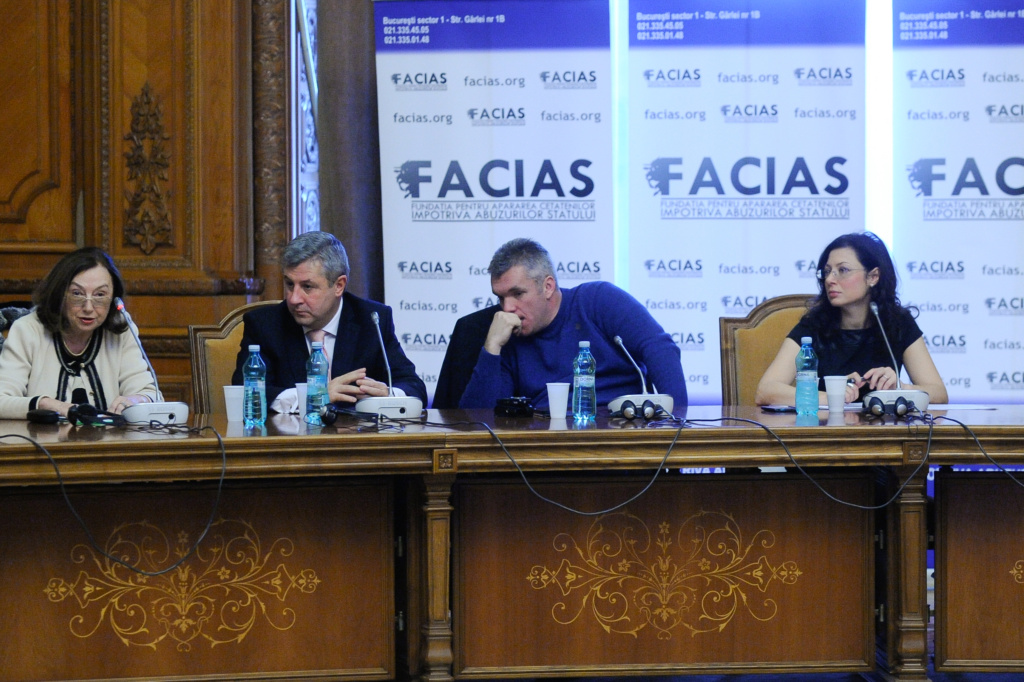
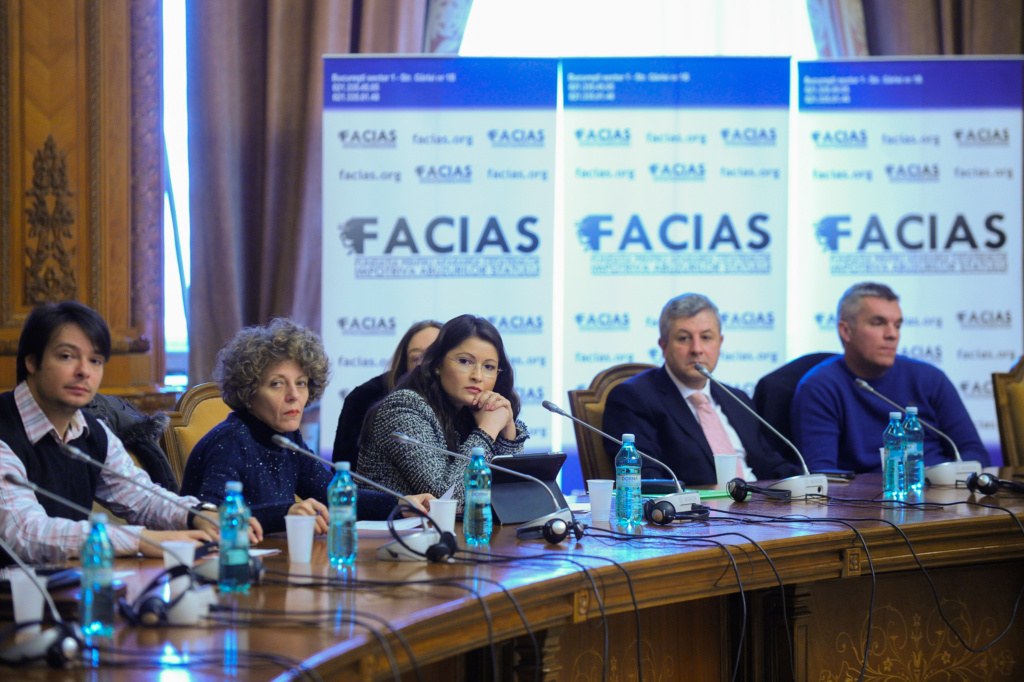
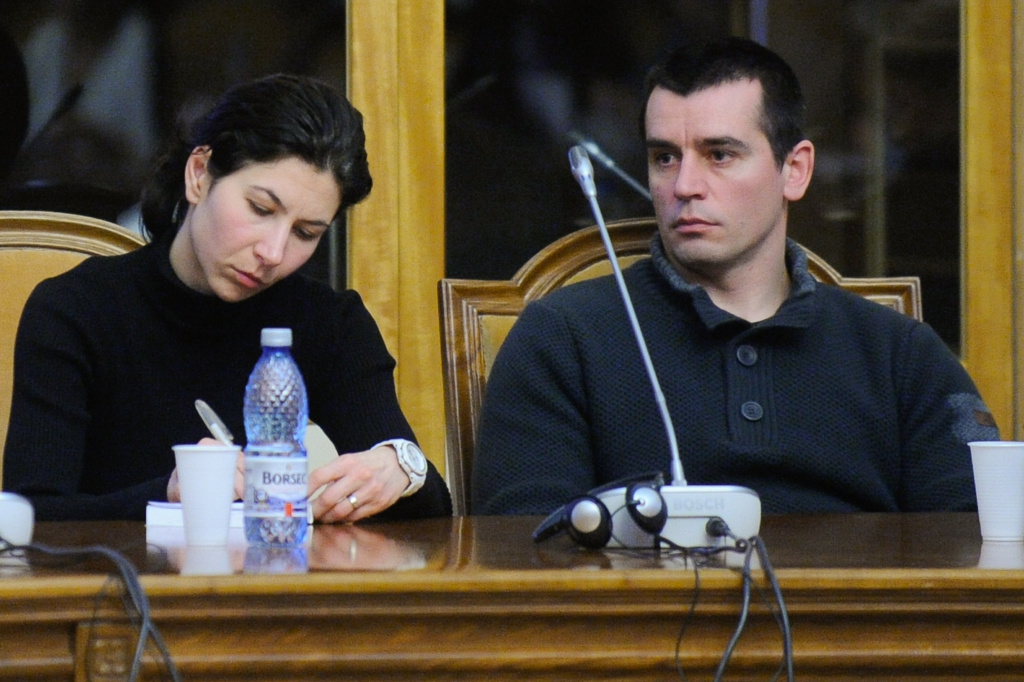
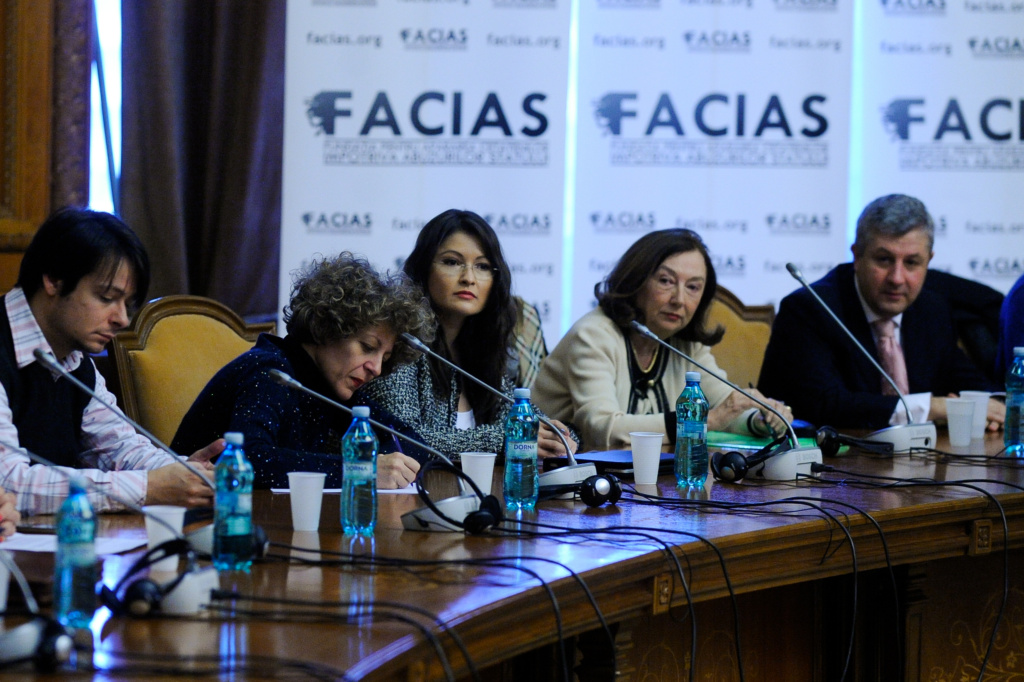
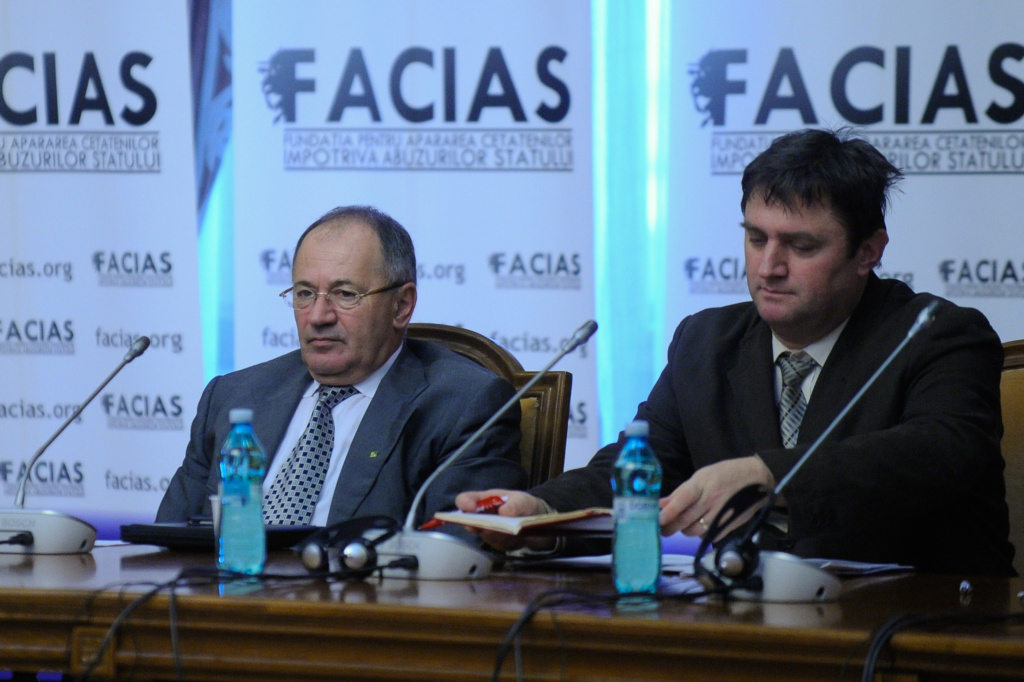
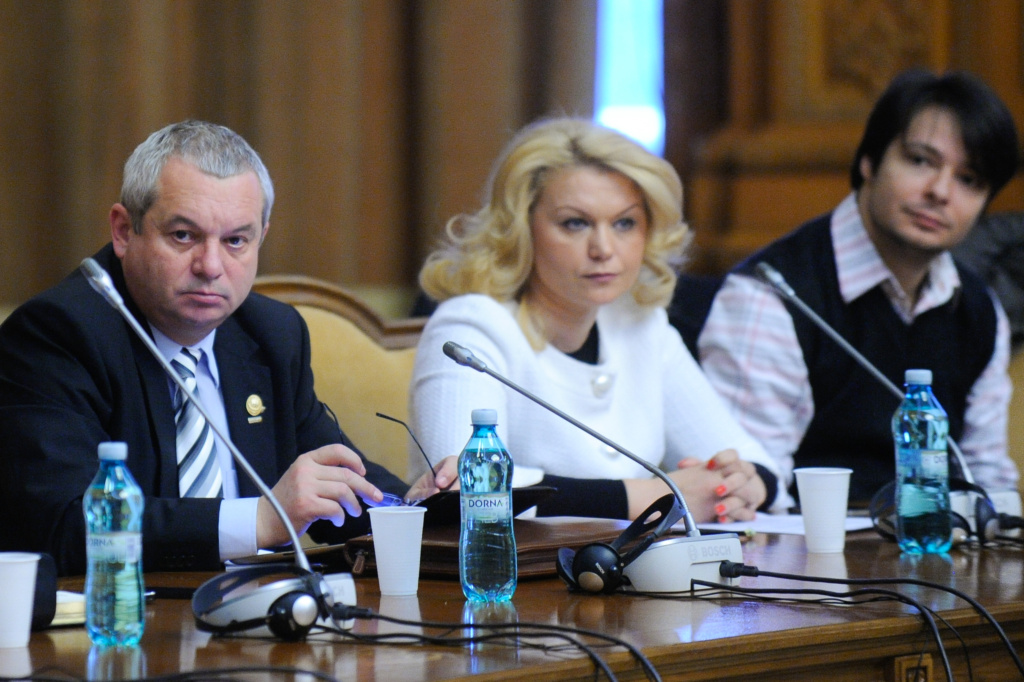
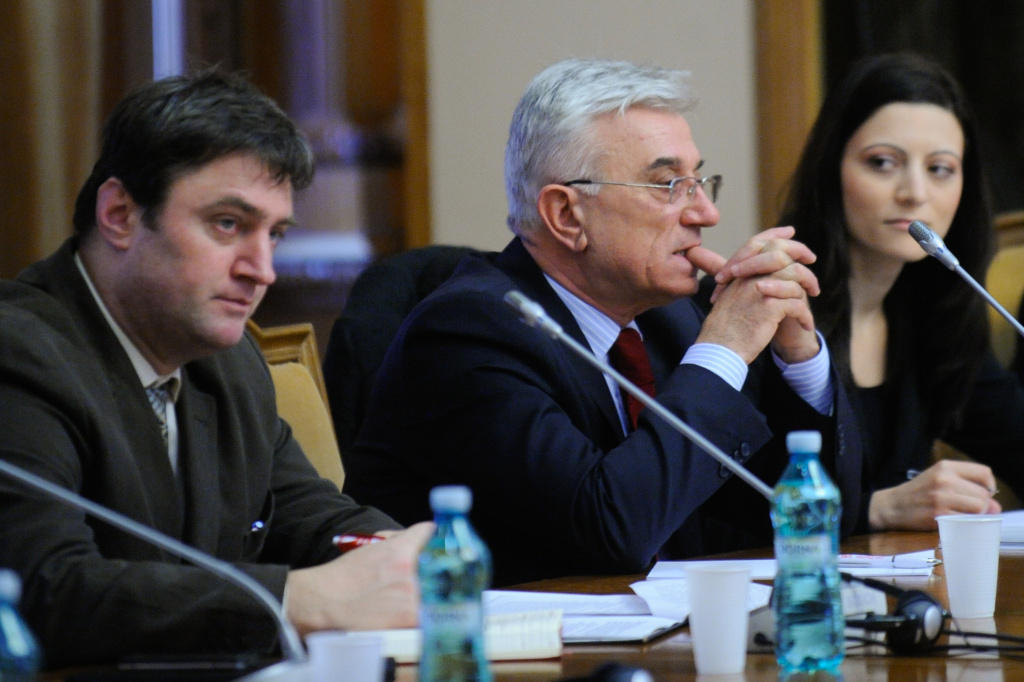
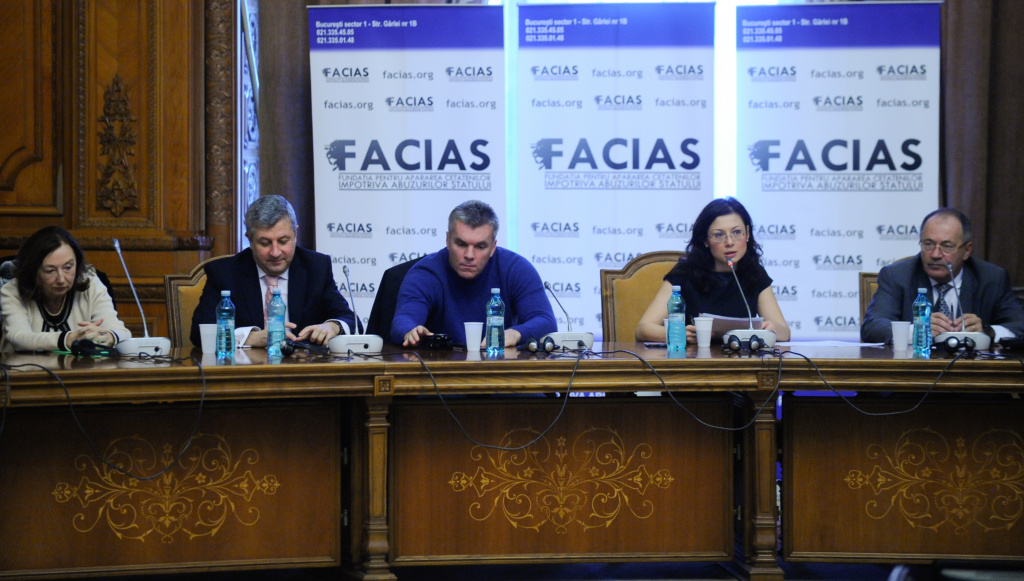
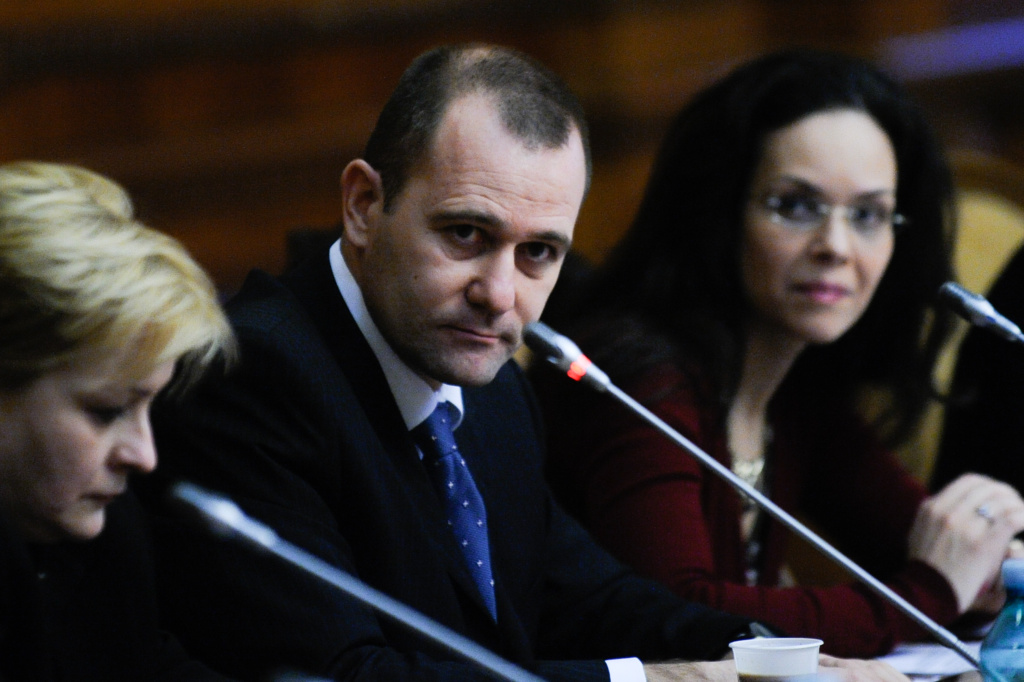
The participants in the debate unanimously agreed that it must be clearly established in the law that these interceptions should not become public until it is very clear whether the person intercepted is guilty or not and until a judge orders this. It was also suggested that the SRI should be the only unit to have a sole power to carry out these interceptions.
The National Security Law 51/1991 has been criticised in several cases by the ECHR judges in Strasbourg, who ordered its amendment in accordance with the Fundamental Convention on Human Rights, yet the law has not been amended for over 20 years, although it is completely outdated and cannot provide any guarantee of respect for citizens' rights.
All speakers stressed that this law is abused and that the definition of "national security" is all-encompassing and leaves room for interpretation and deviations of any kind.
Senator Sorin Rosca Stanescu brought up the spectacular number of interception warrants in Romania, but also their real cost. Read more
The former Minister of Justice, Rodica Stanoiu, said that the problems concerning interception are not only related to SRI, but also to the way prosecutors and judges apply the law. Stanoiu said it would be very important to find out how many warrants were requested from the High Court and whether there was even a single case in which judges rejected requests to issue interception authorisations. On the other hand, the need for the SRI to answer whether and how much crime in the area of national security has increased since there are so many warrants in this area every year was also raised.
Victor Alistar, director of Transparency International, stressed the need to eliminate the ORNISS opinion for judges and lawyers so that the parties have unrestricted access, equal to that of the prosecution, to the secret annexes of the files. Alistar added that a mechanism should be created to hold accountable magistrates who issue interception authorisations without relevant evidence of possible breaches of national security and that a commission of inquiry should be set up to investigate situations of use of information arising from the execution of warrants and only then make recommendations for good practice, and that the judge should have the means to monitor the implementation of the warrant he gives and to stop the authorisation when he considers or finds that interception is no longer necessary.
Legislative authorities should take into account the proposals of the participants in the debates and take seriously the issue of national security laws, which in the last 23 years has allowed the development of a system of pressure, blackmail and manipulation that is slowly degrading the fundamental rights of citizens in Romania.