

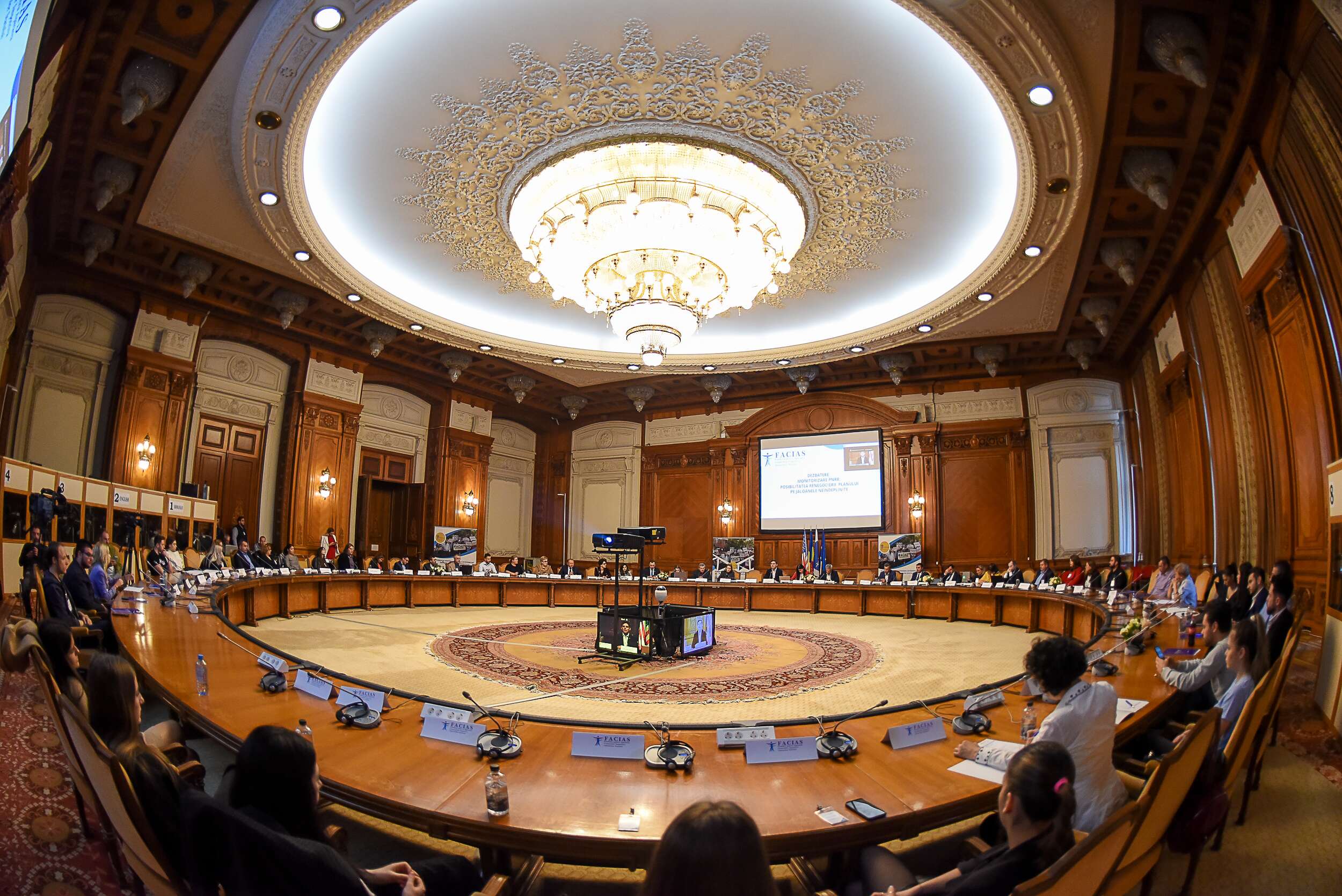
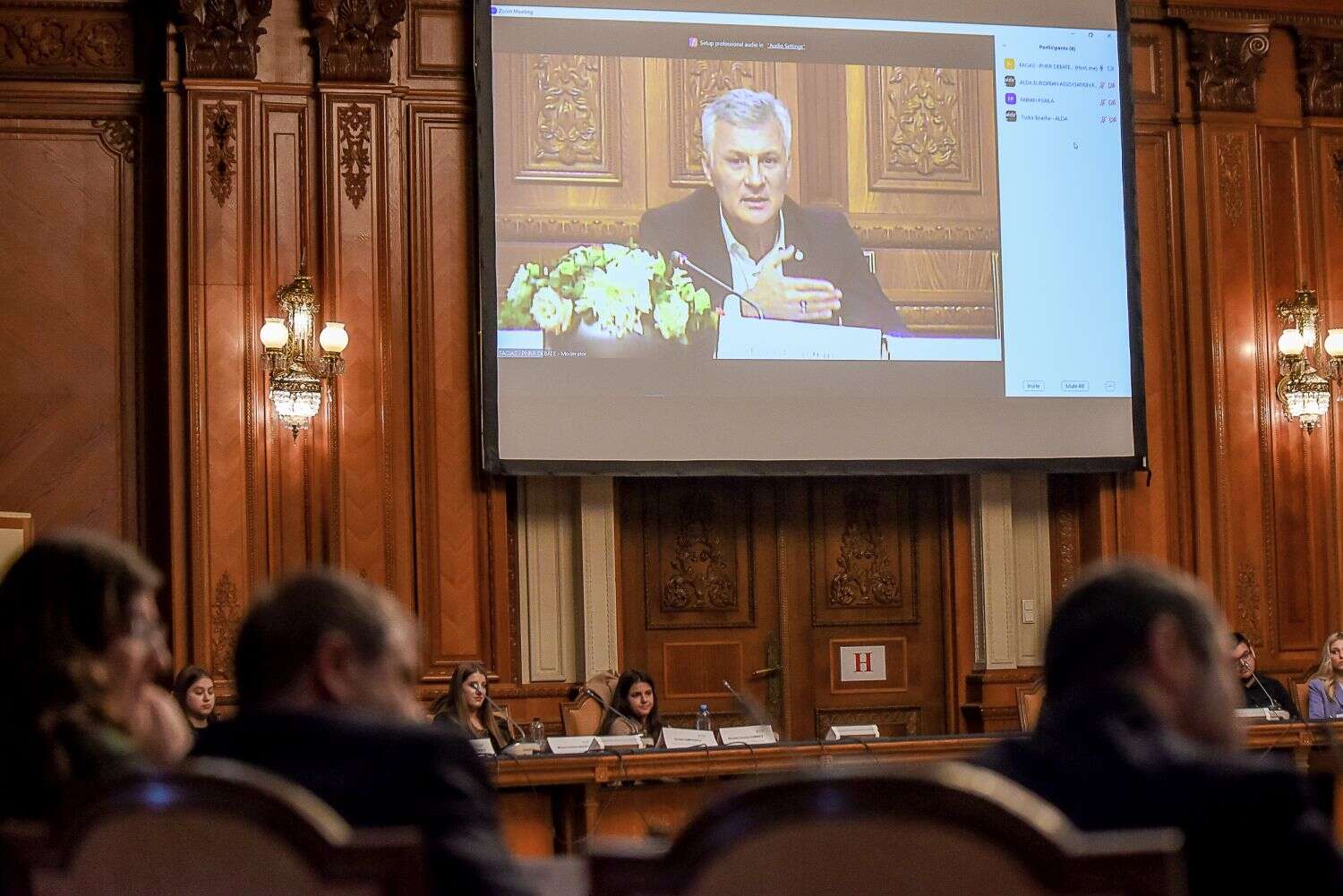
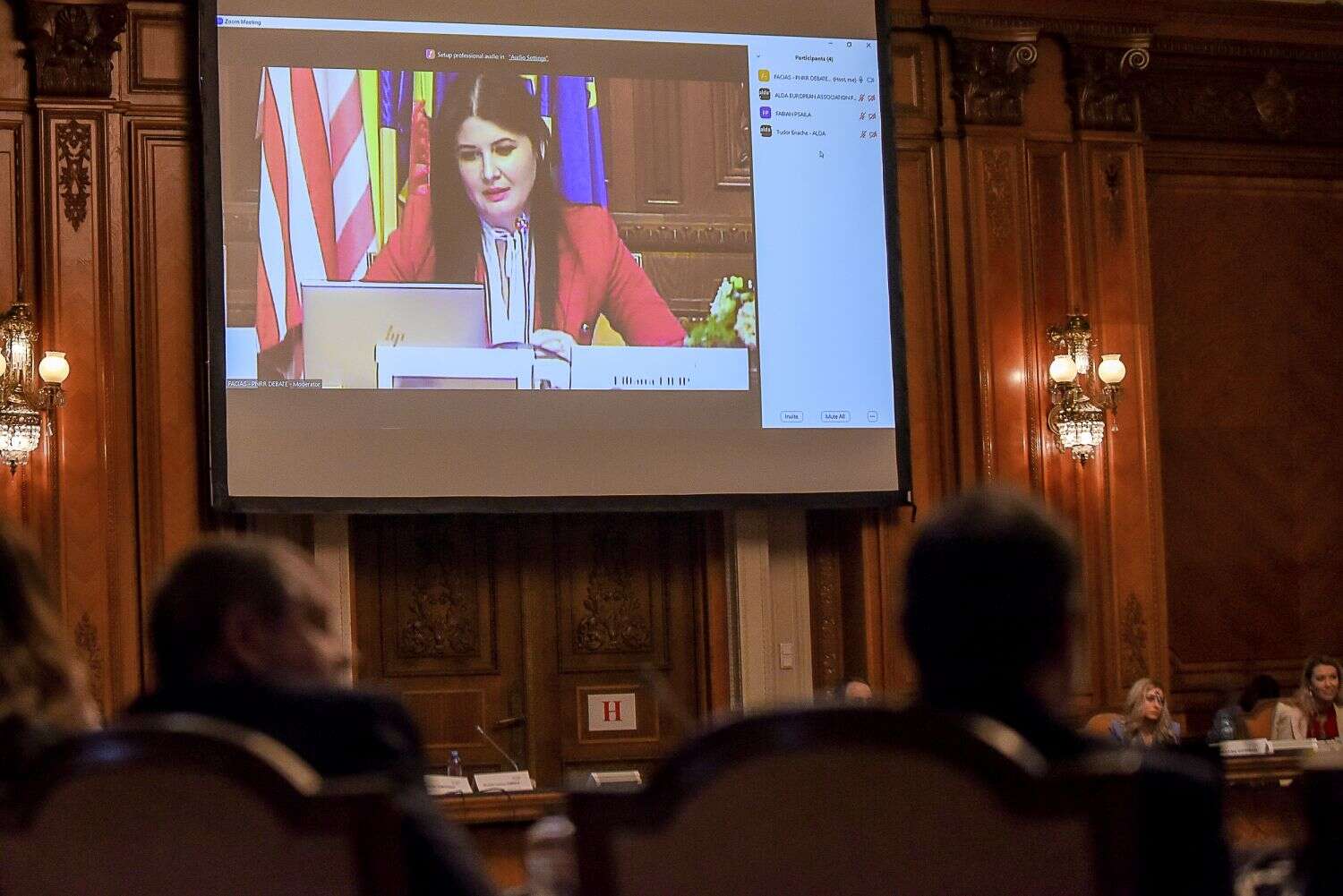
Speech by Corina Cretu, Member of the European Parliament, broadcast during the event.
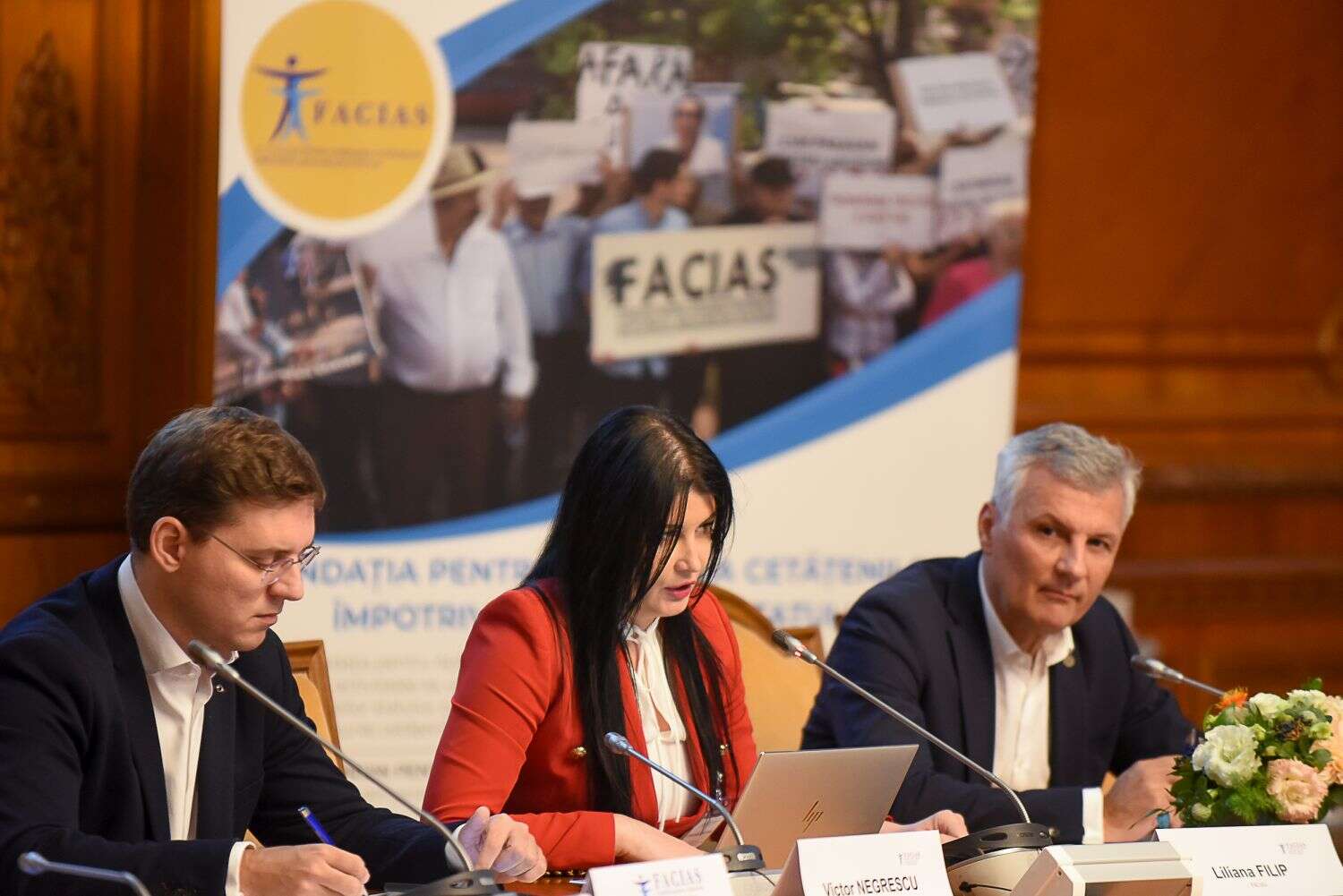

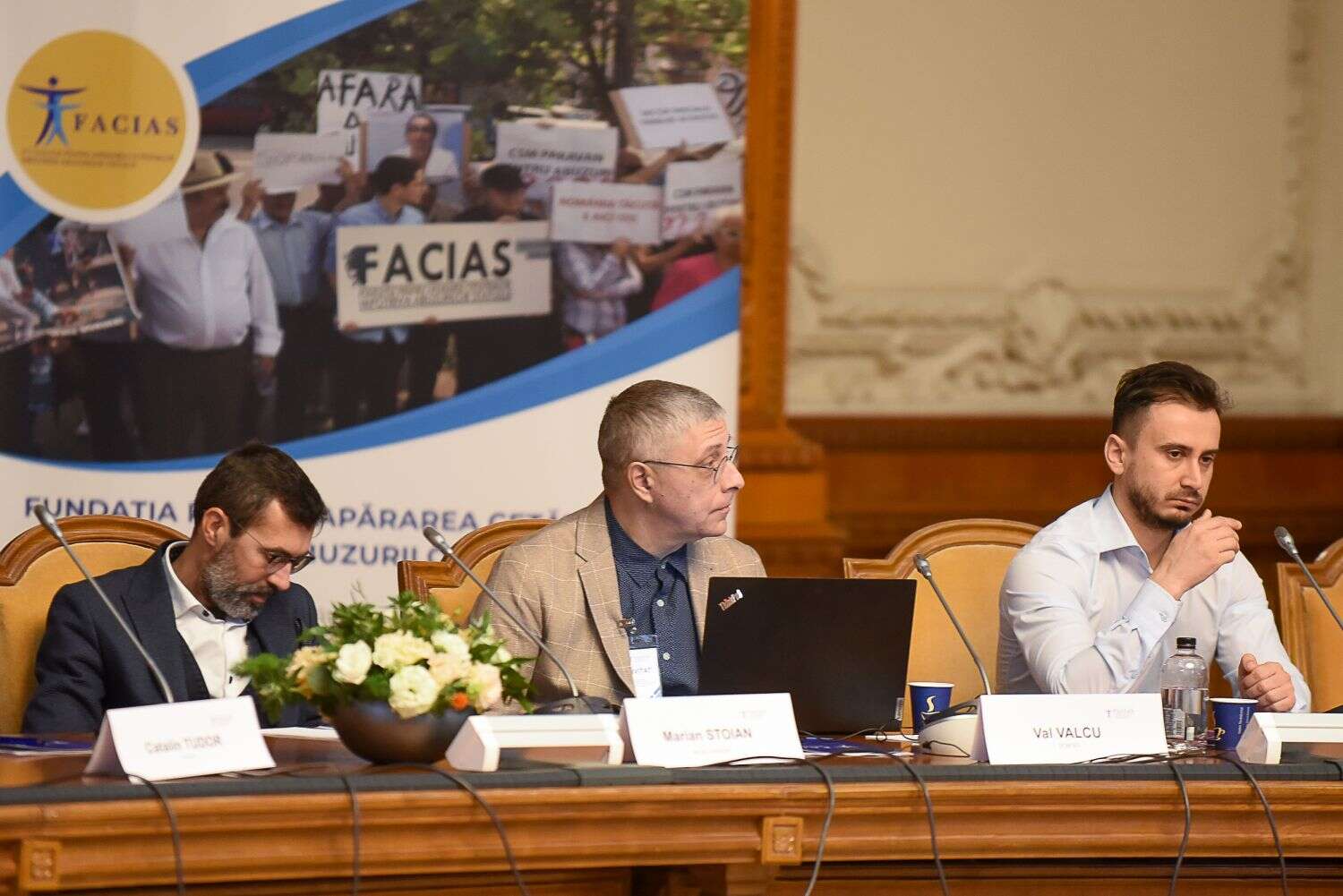
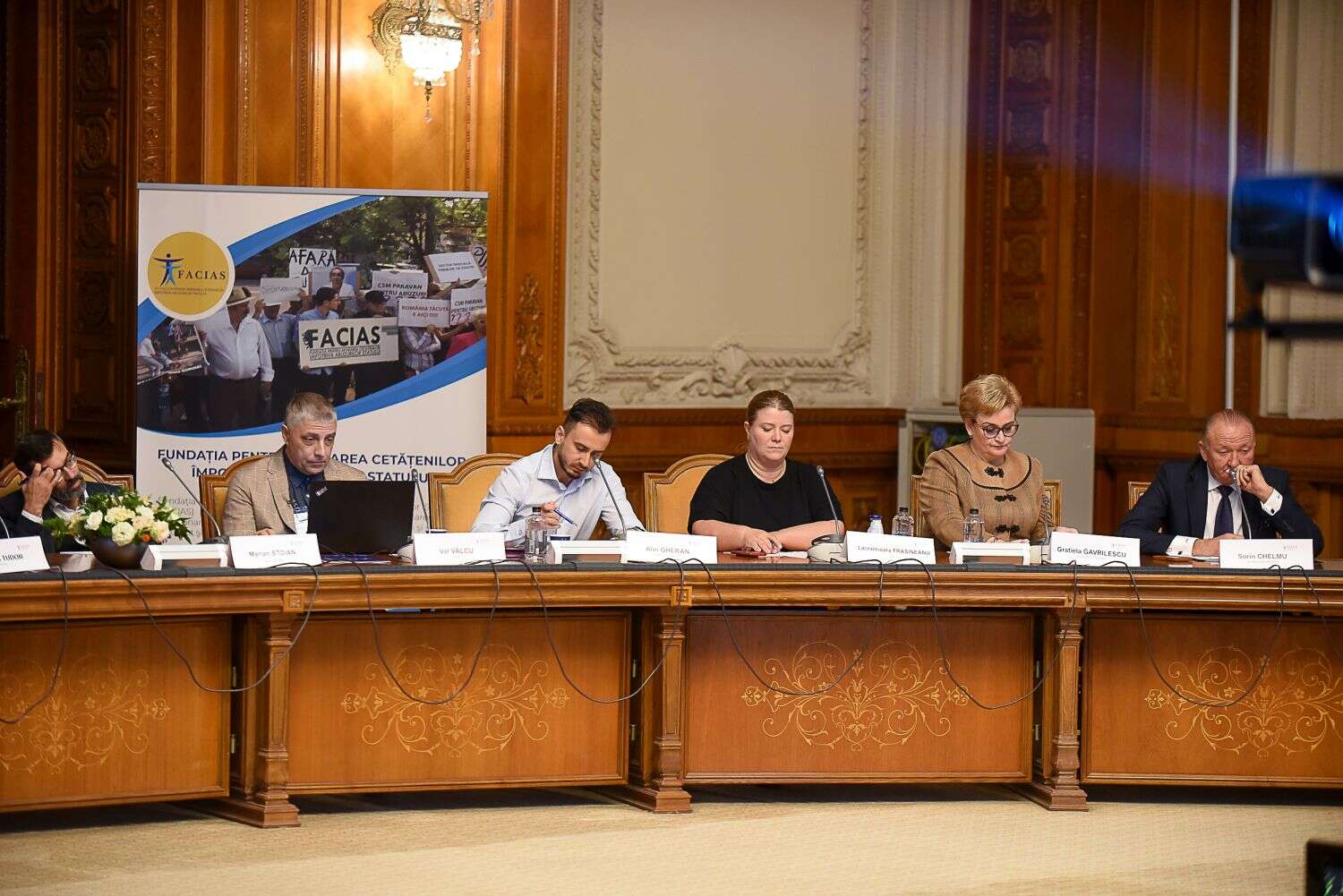


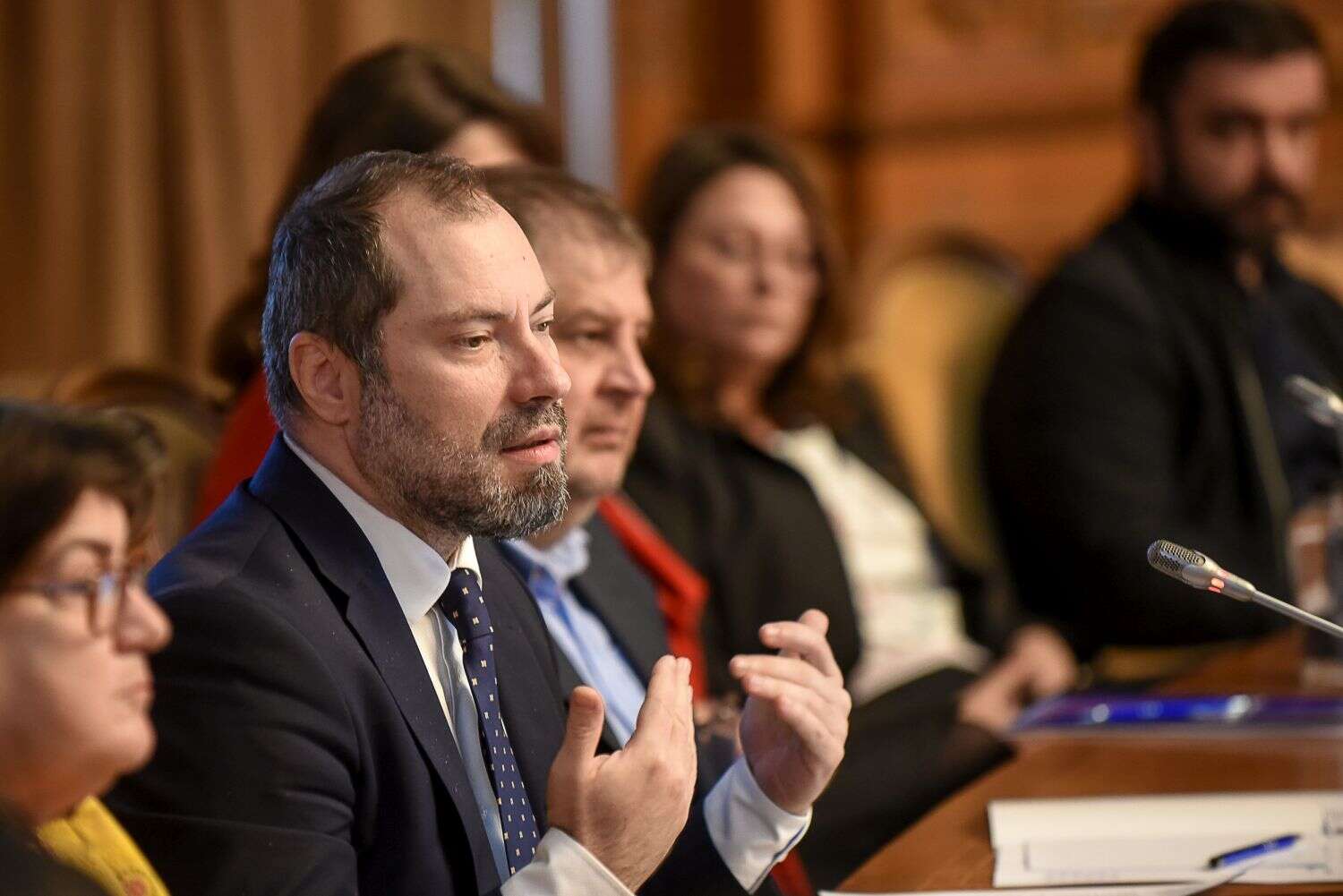
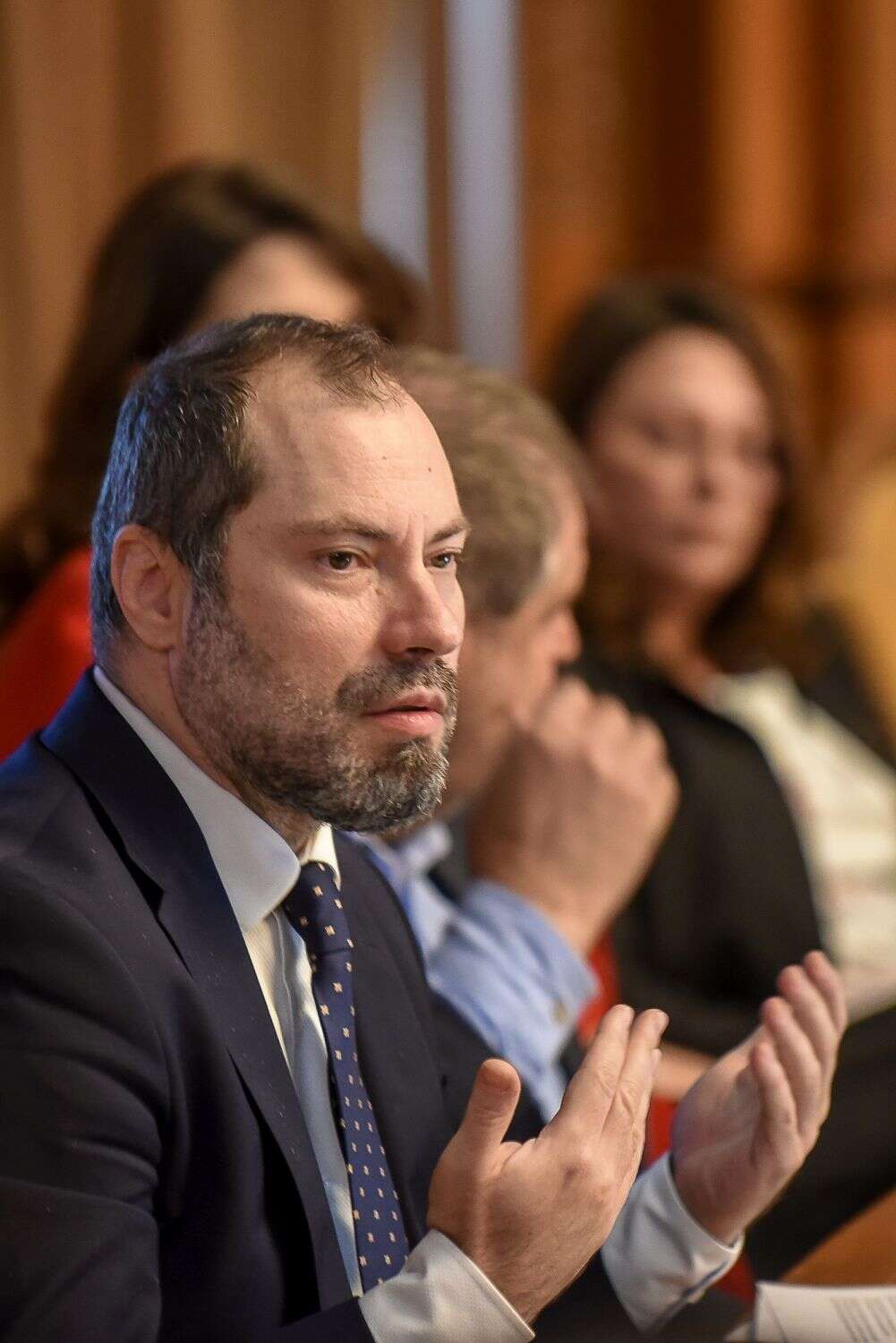

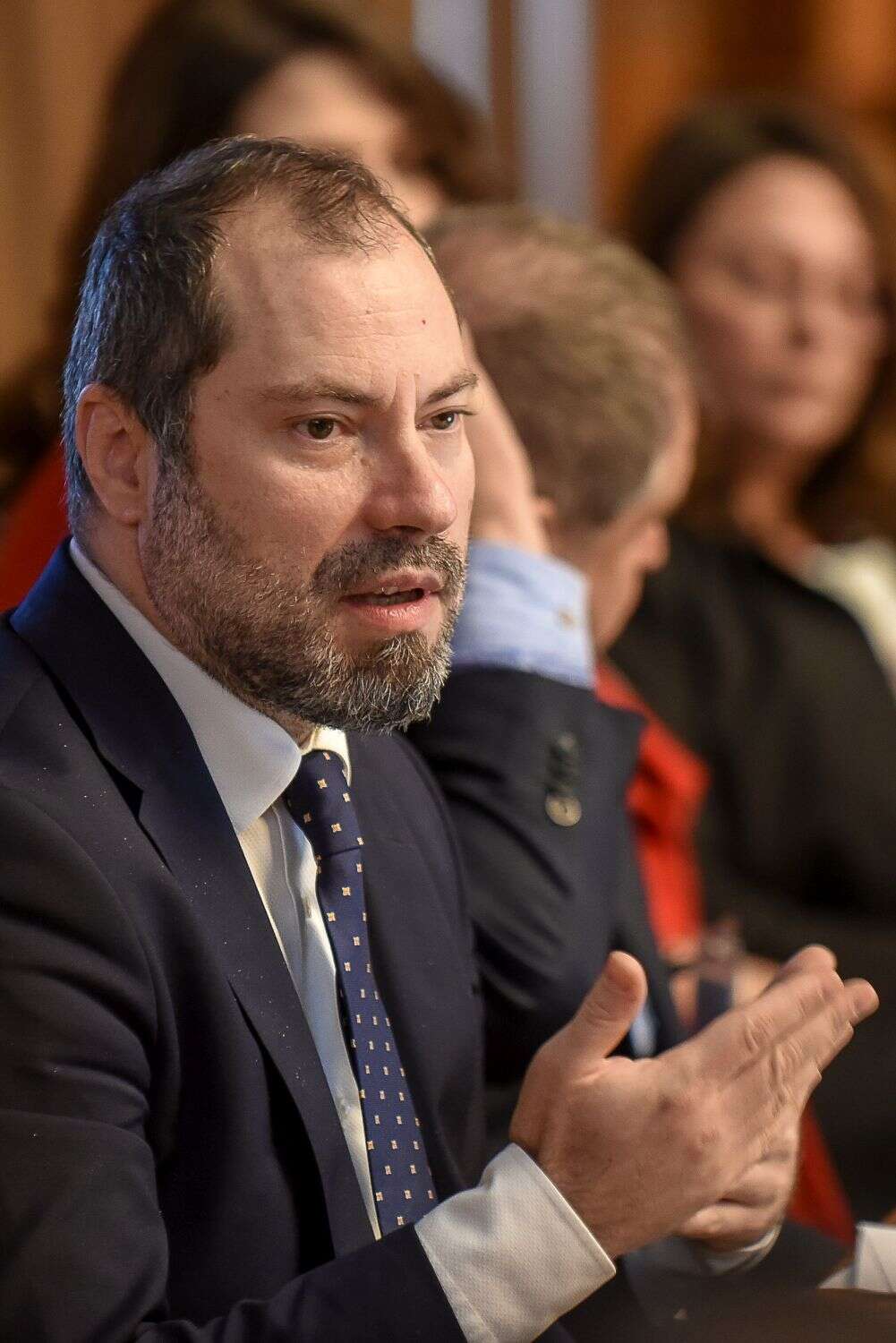
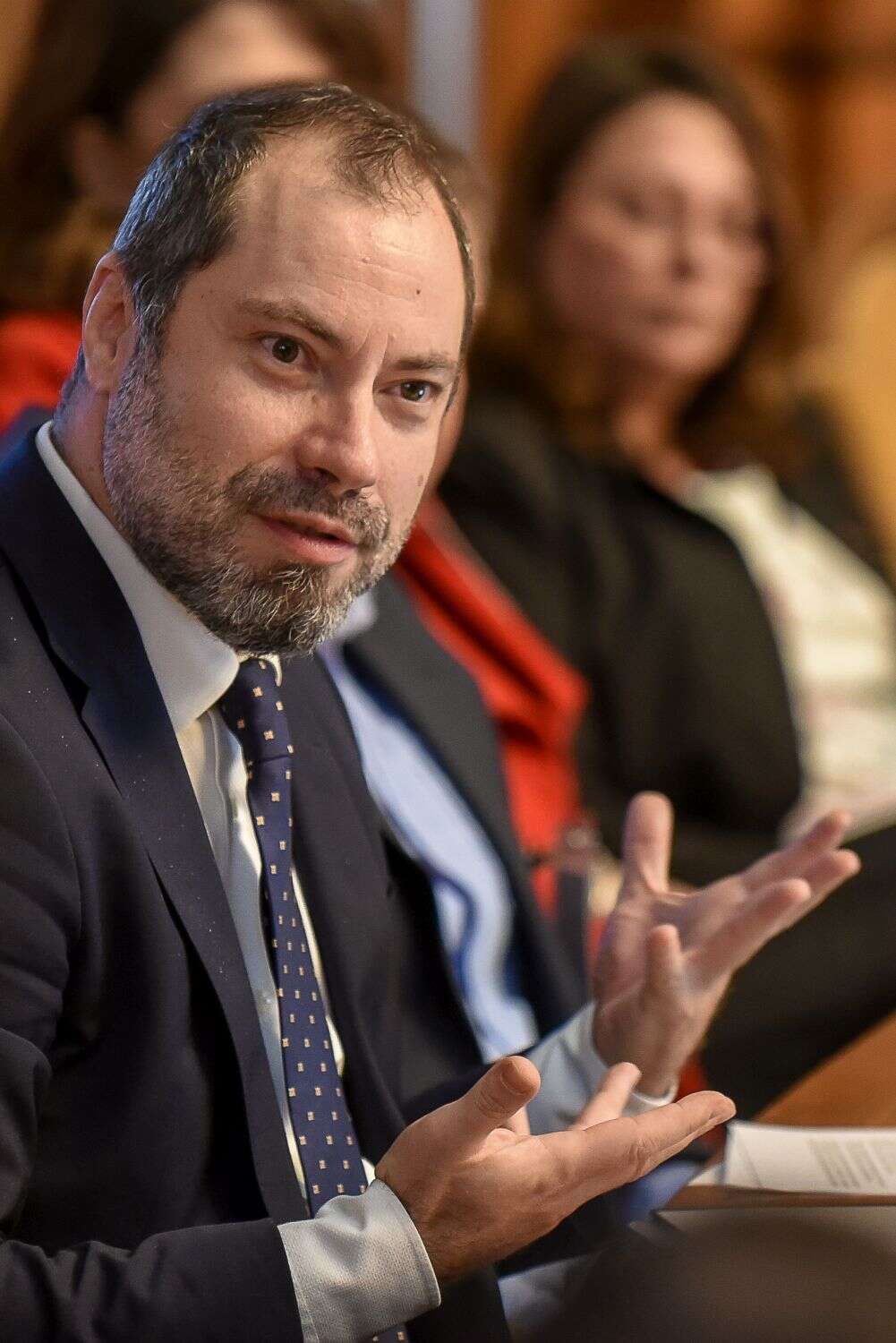

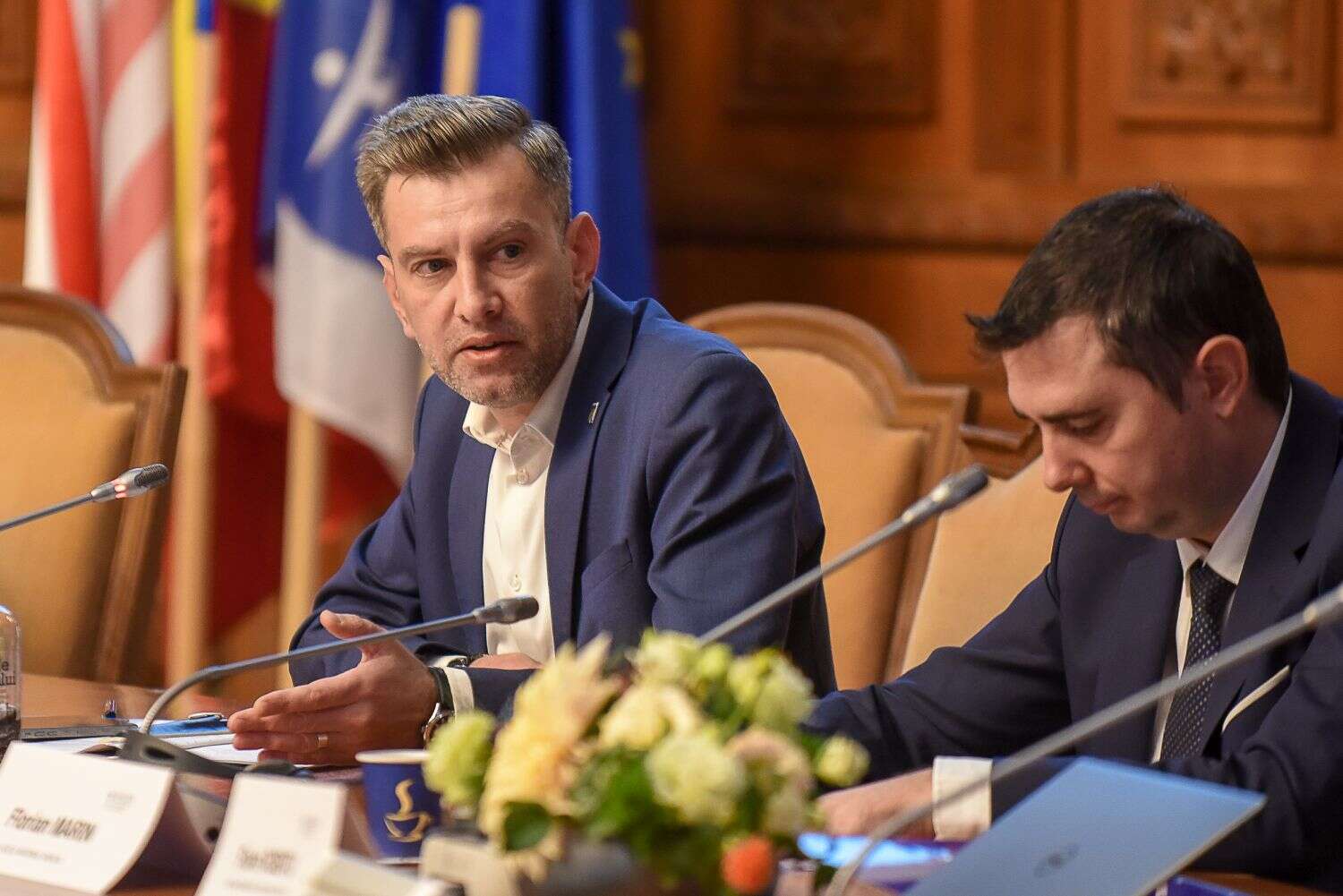
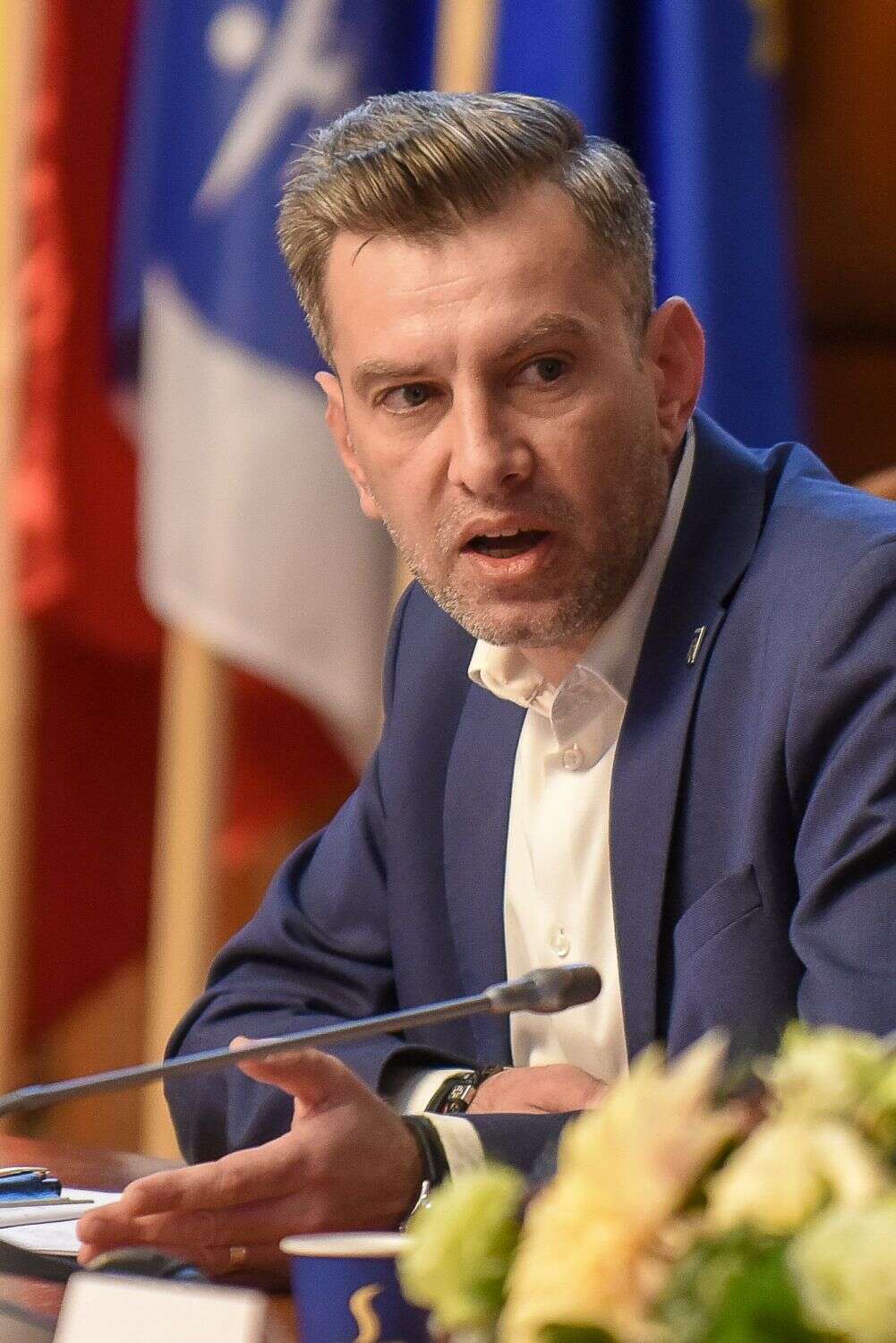
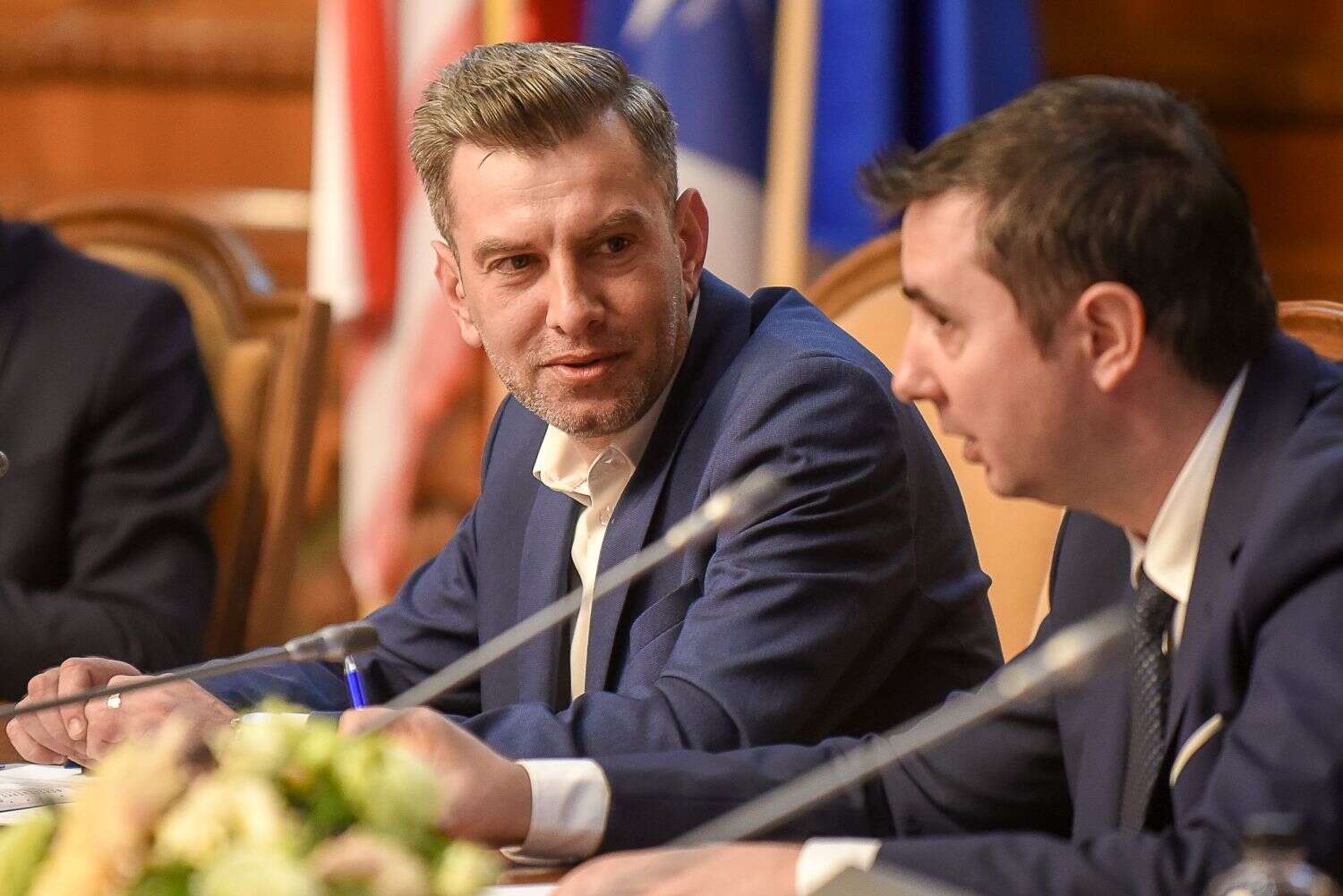

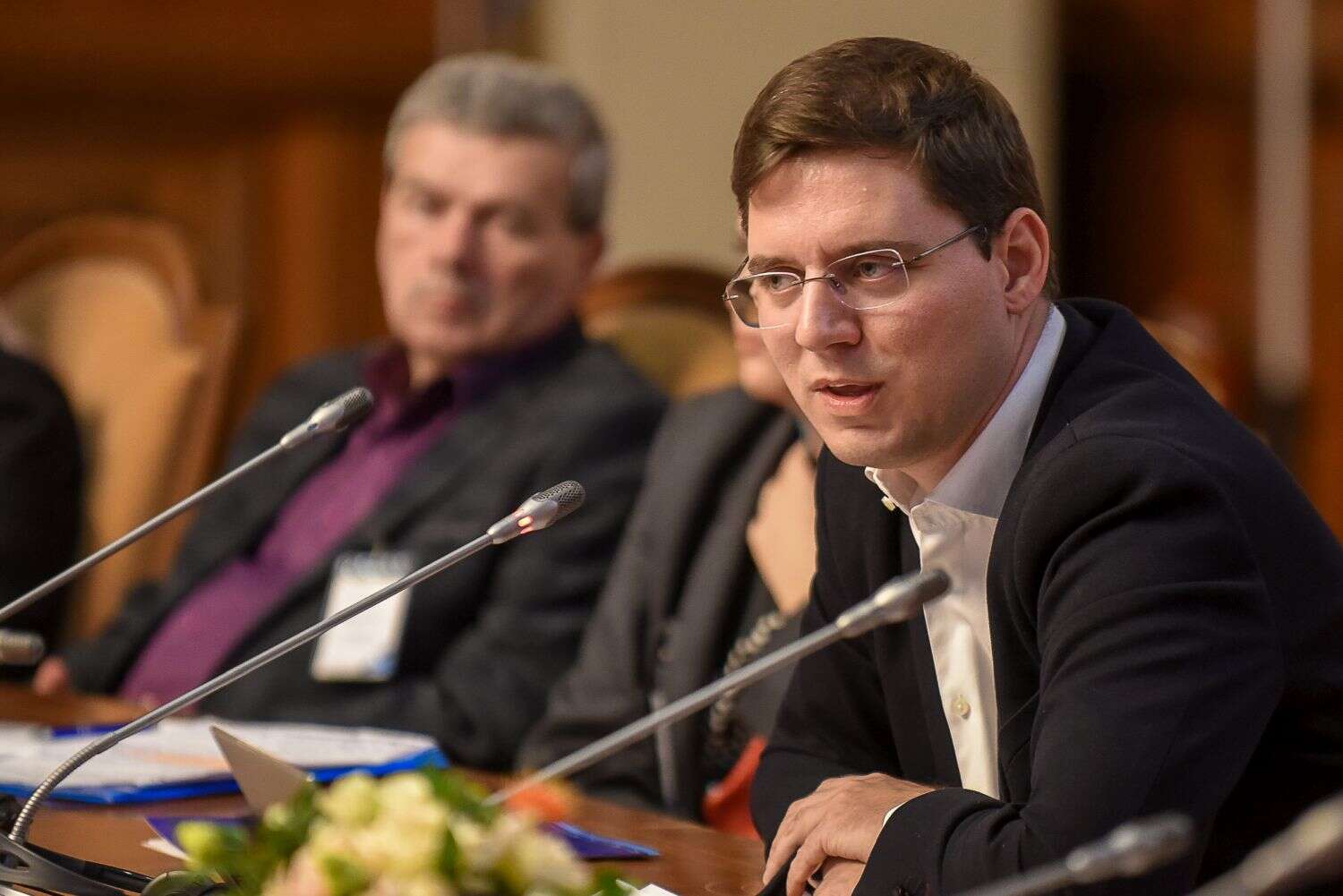



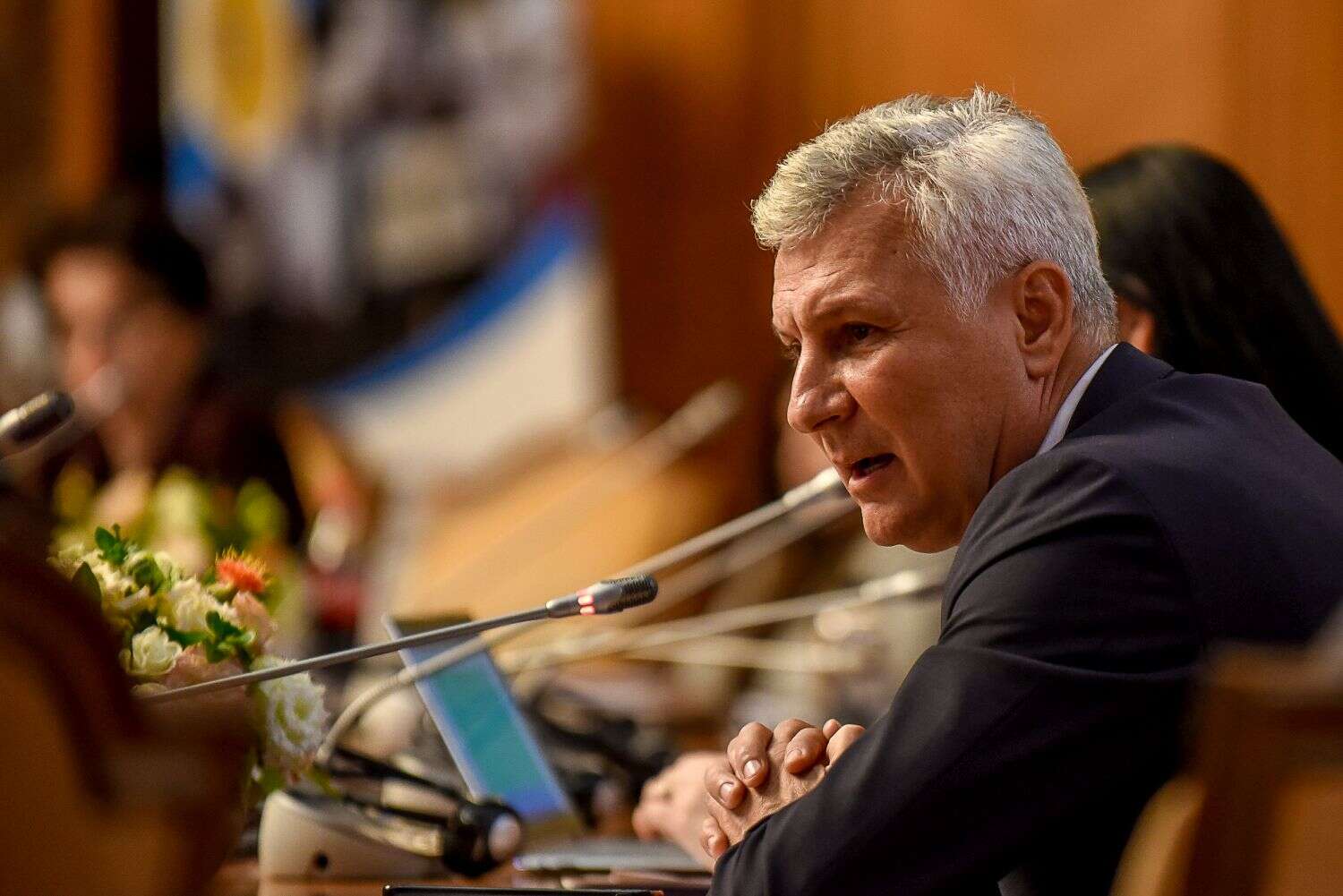
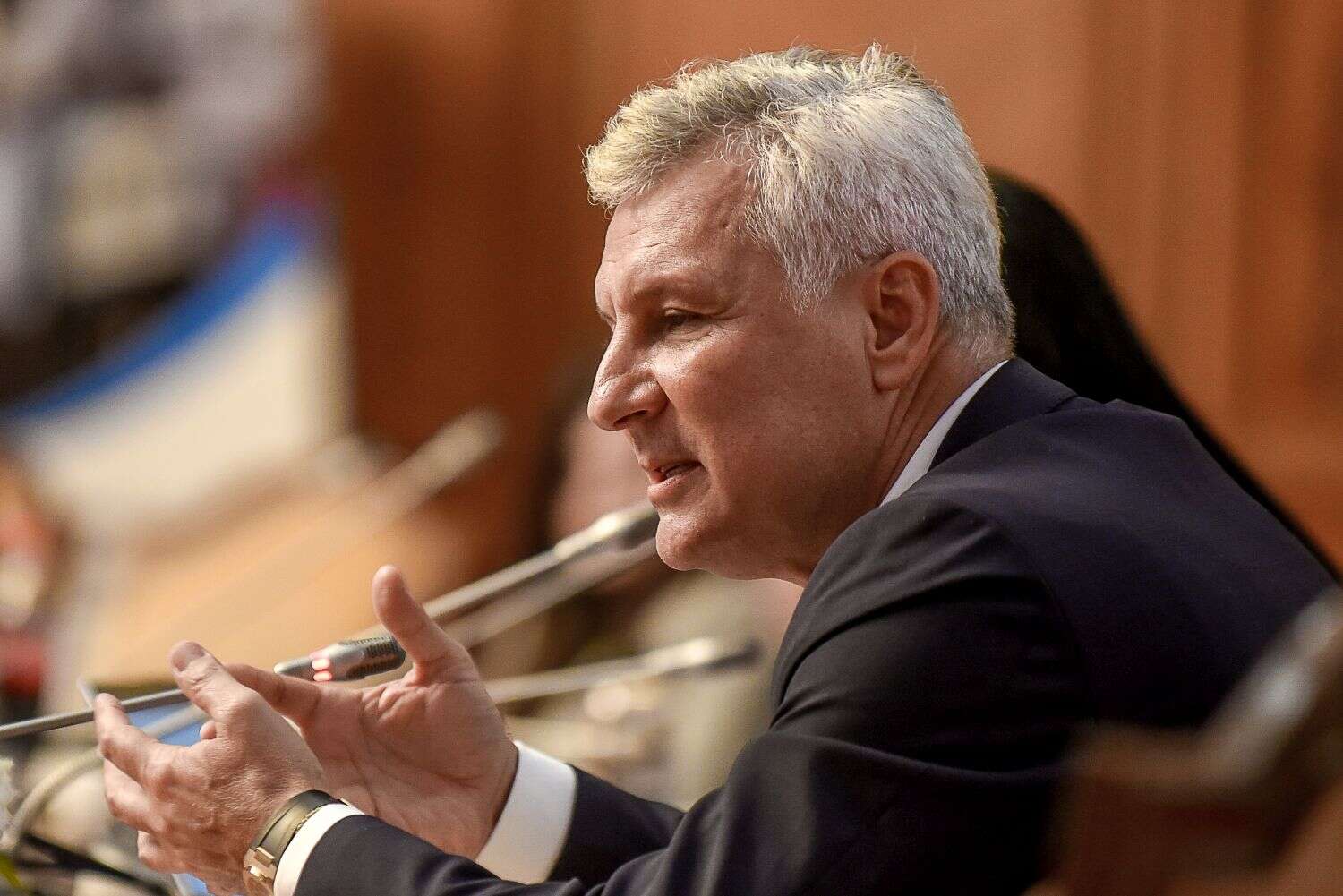
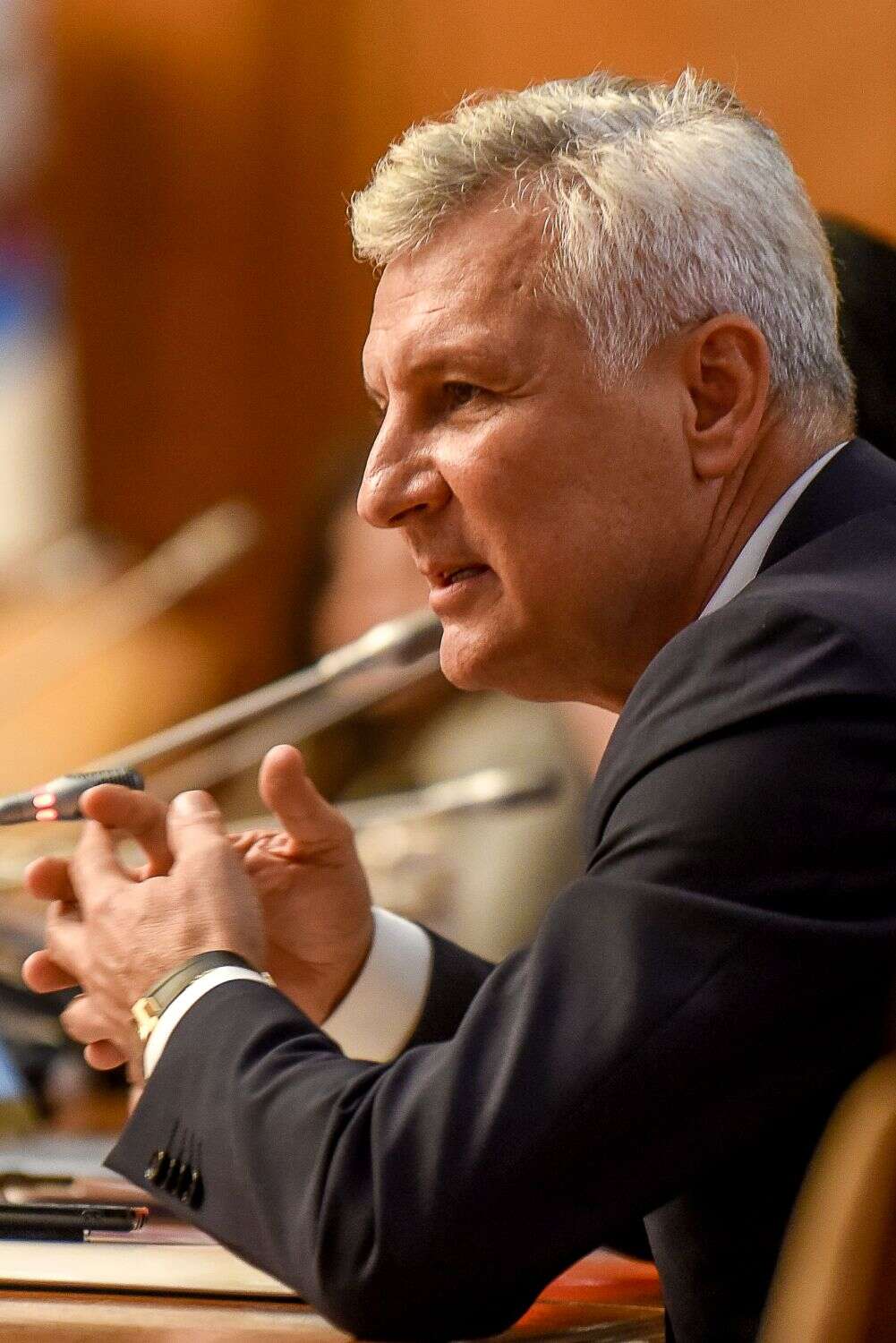
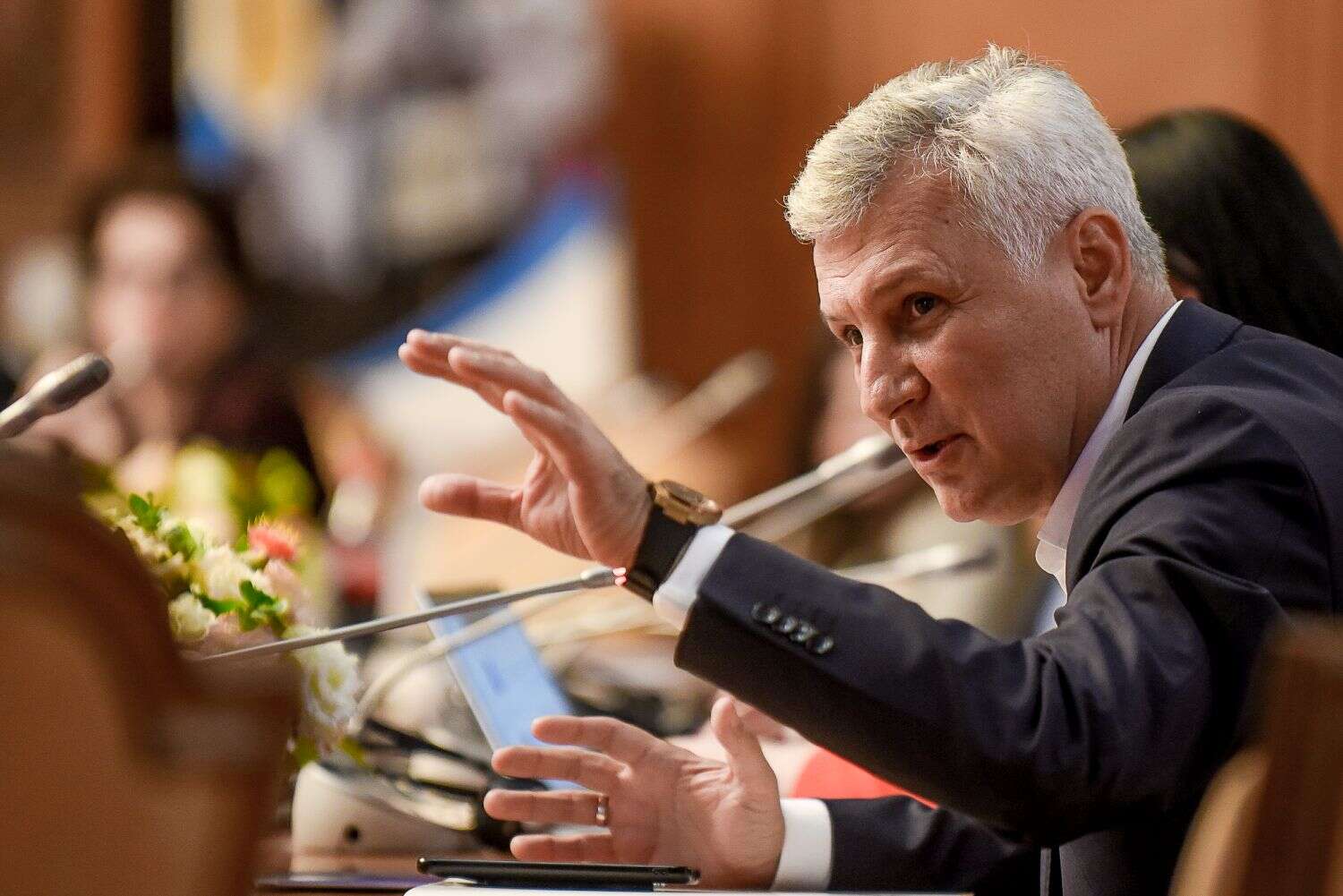



Changes to recovery and resilience plans can only be made in negotiations with the European Union and in quite limited circumstances, and Romania is already considering doing this in several areas. These are situations where the plans initially proposed by our country are much more difficult to implement in reality or where the context has changed due to the crisis caused by the war in Ukraine or the energy crisis.
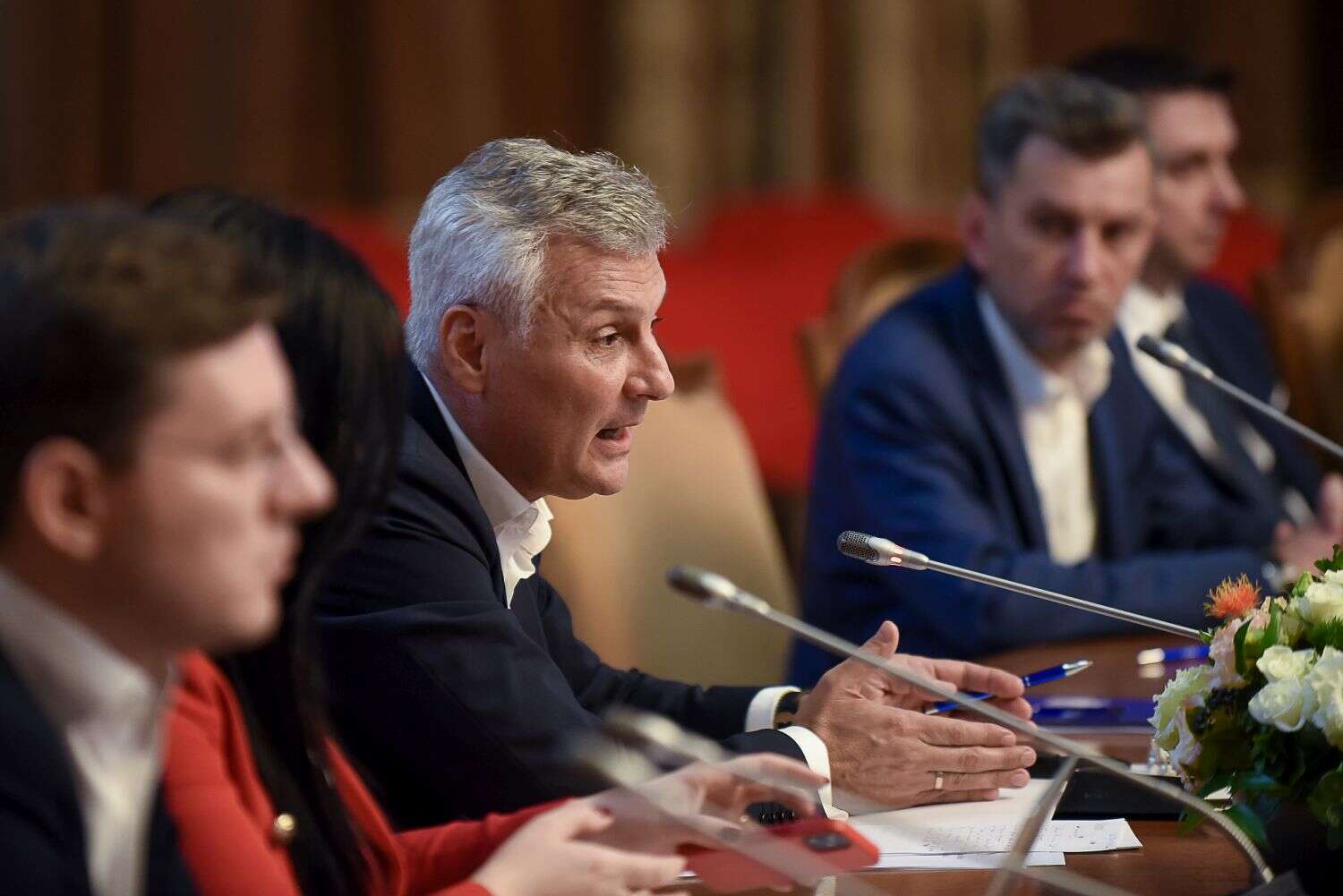
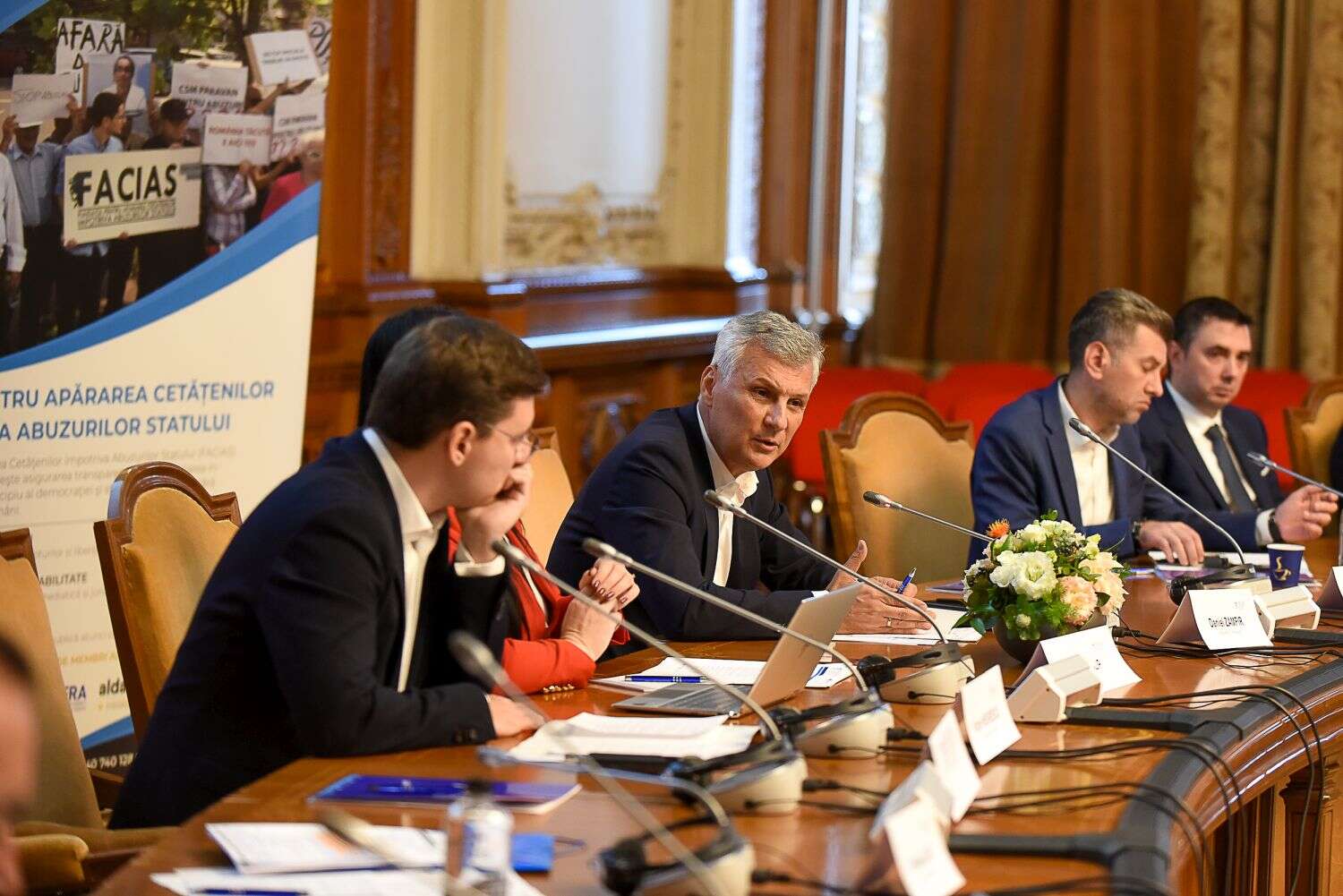
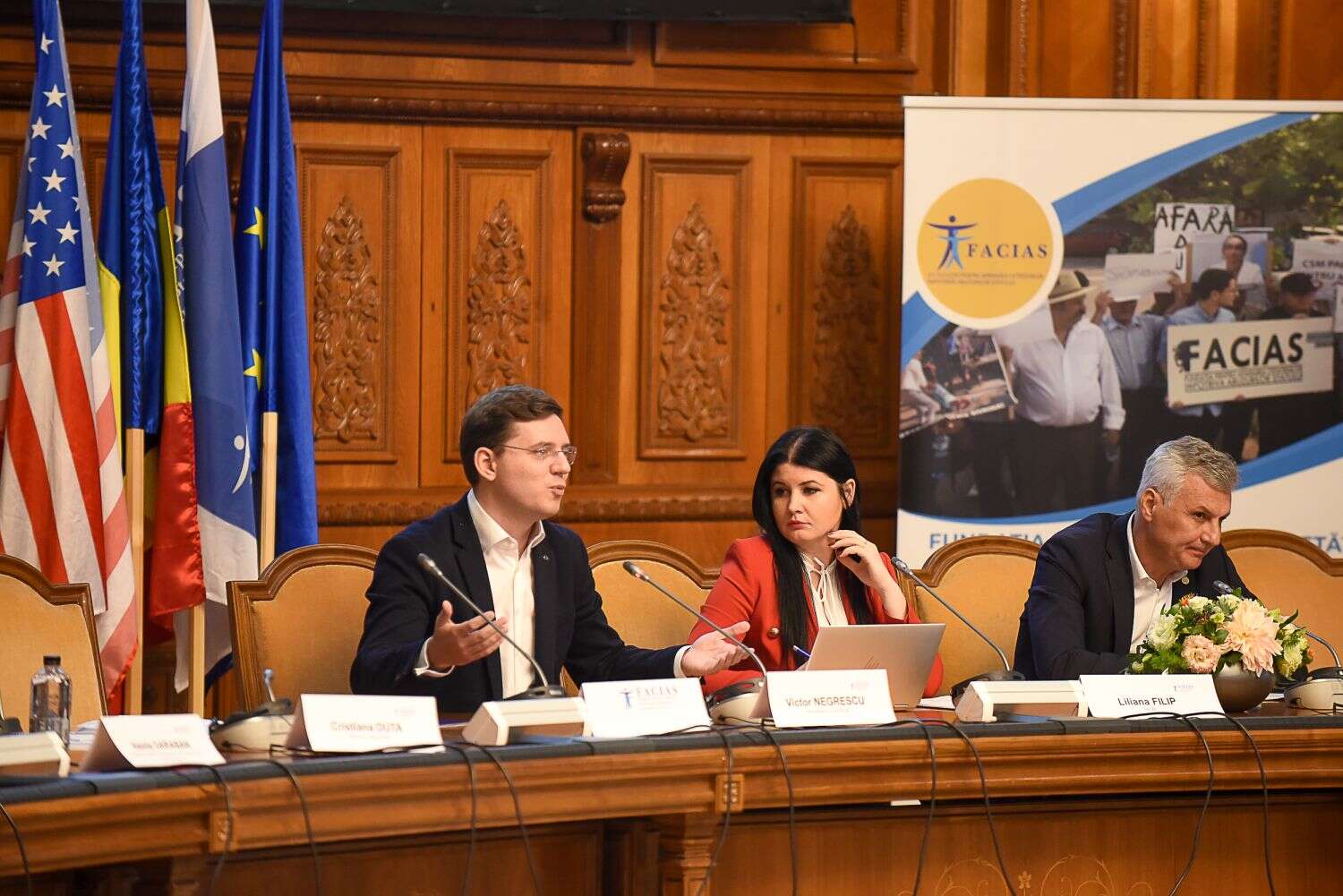
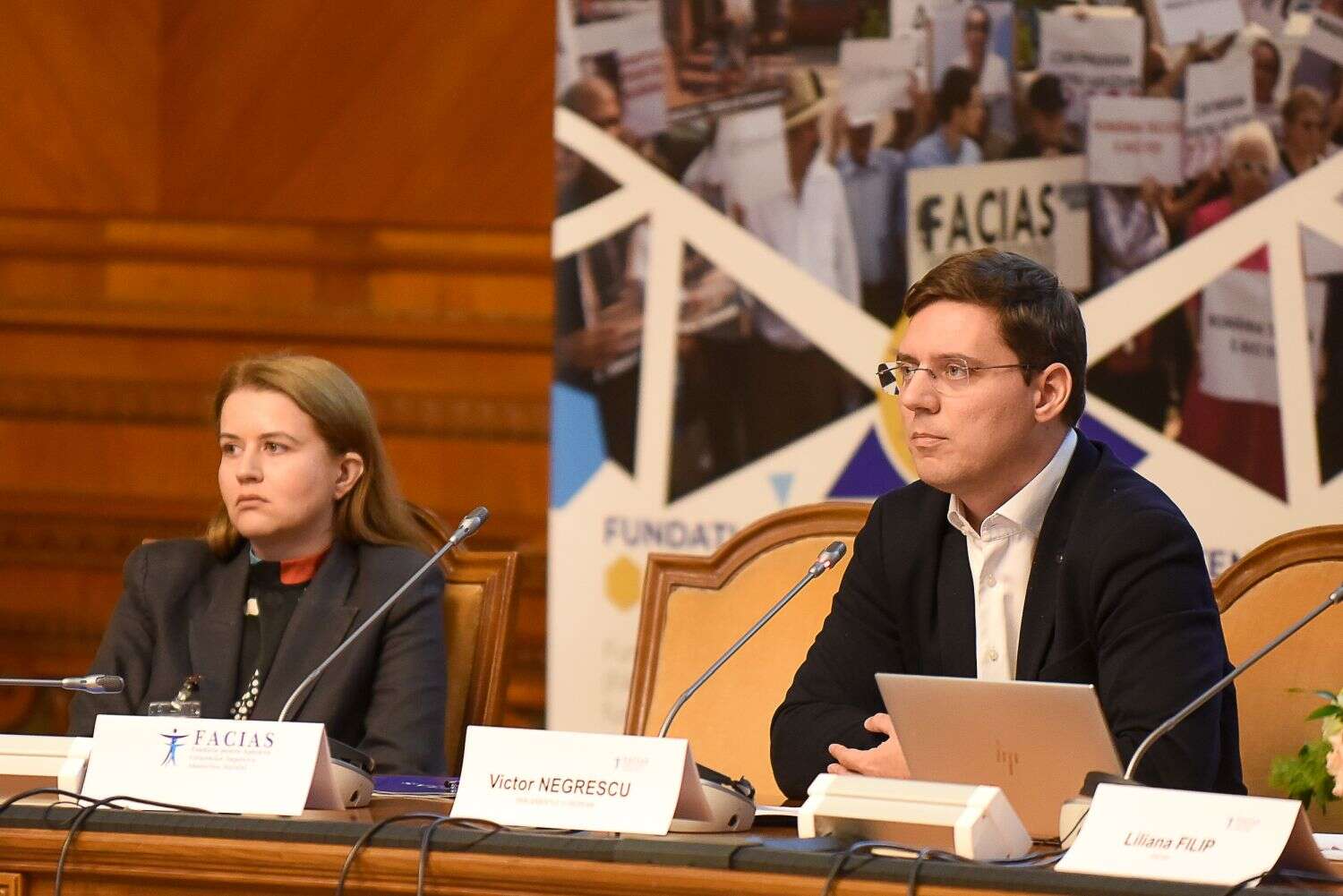
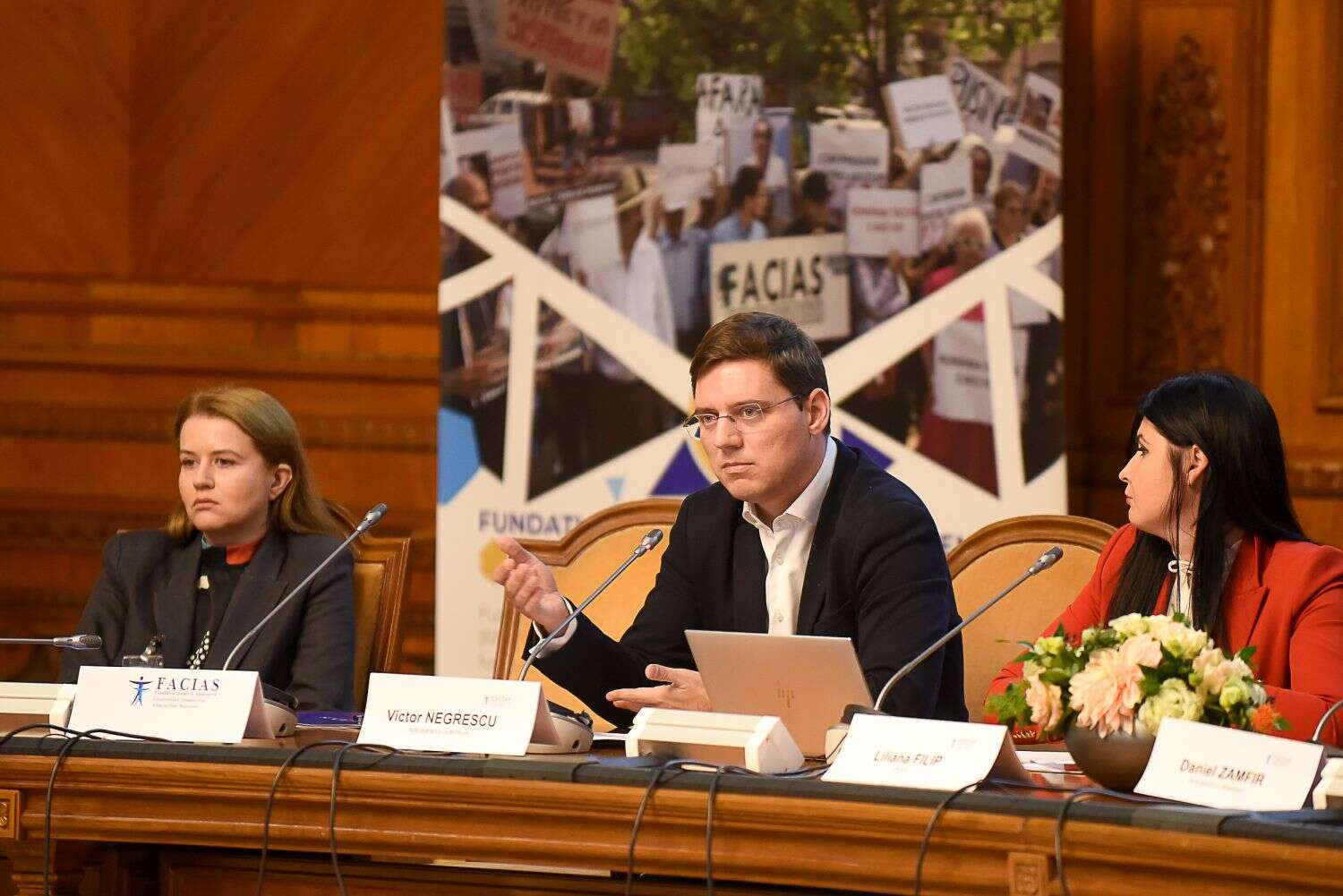
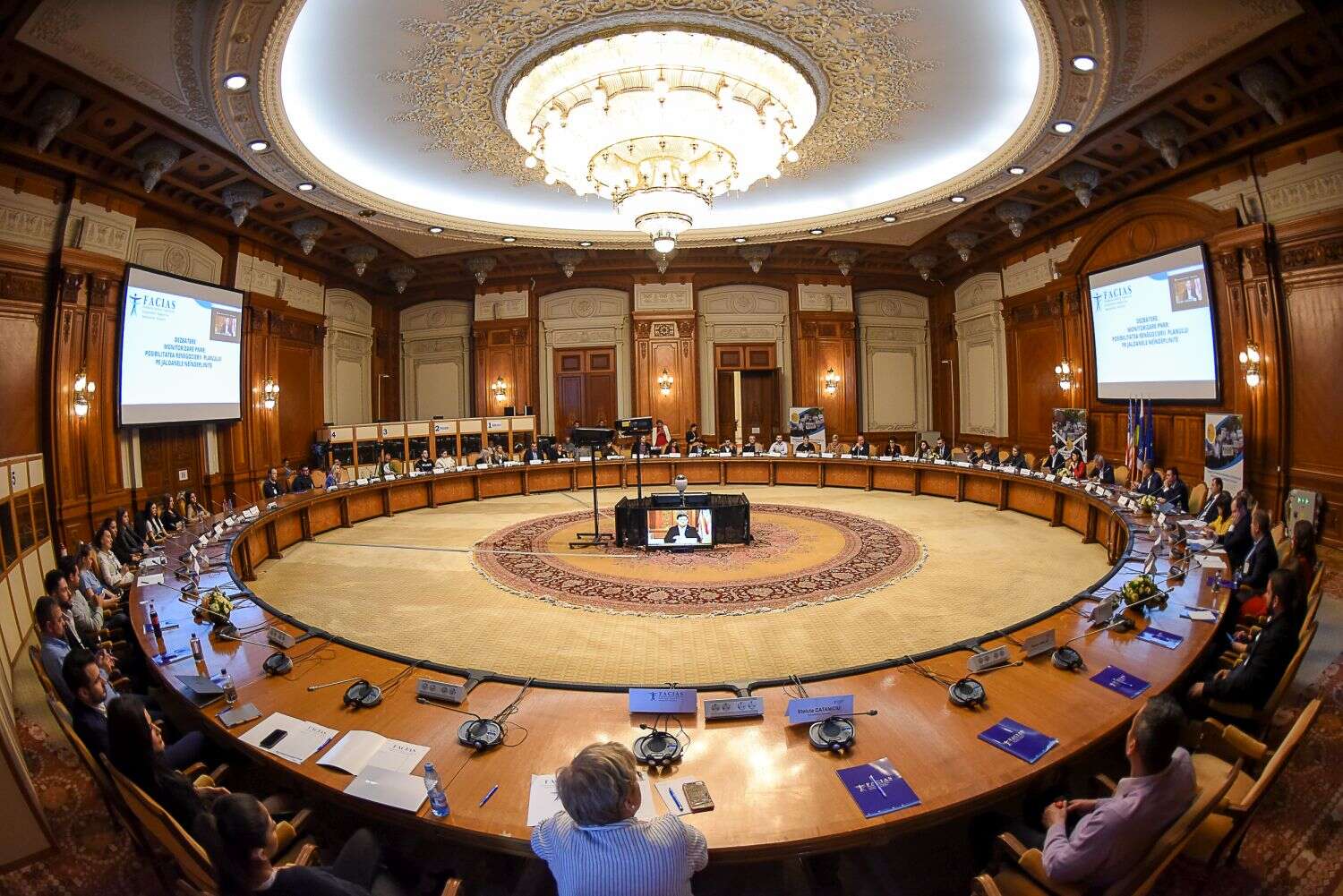
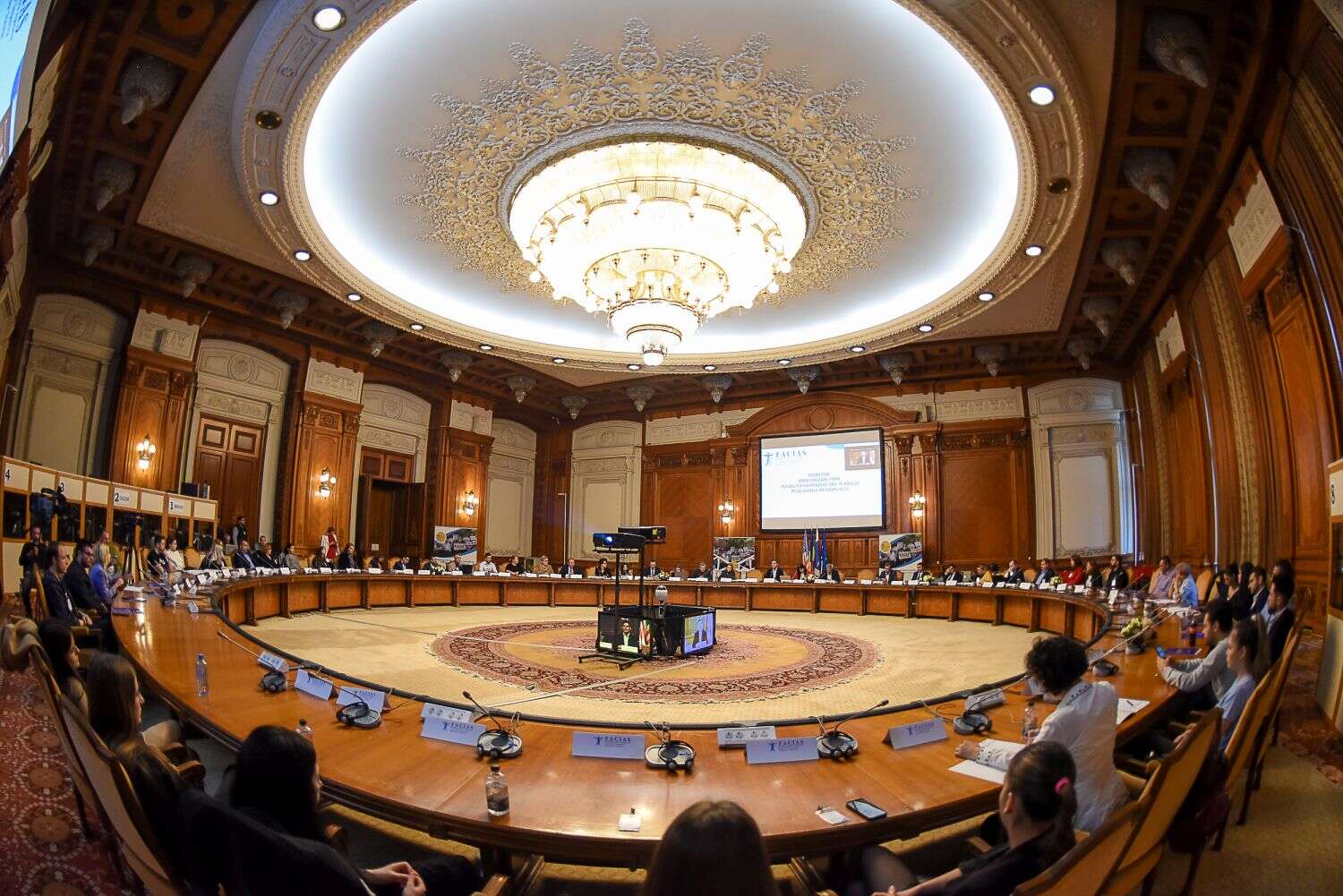
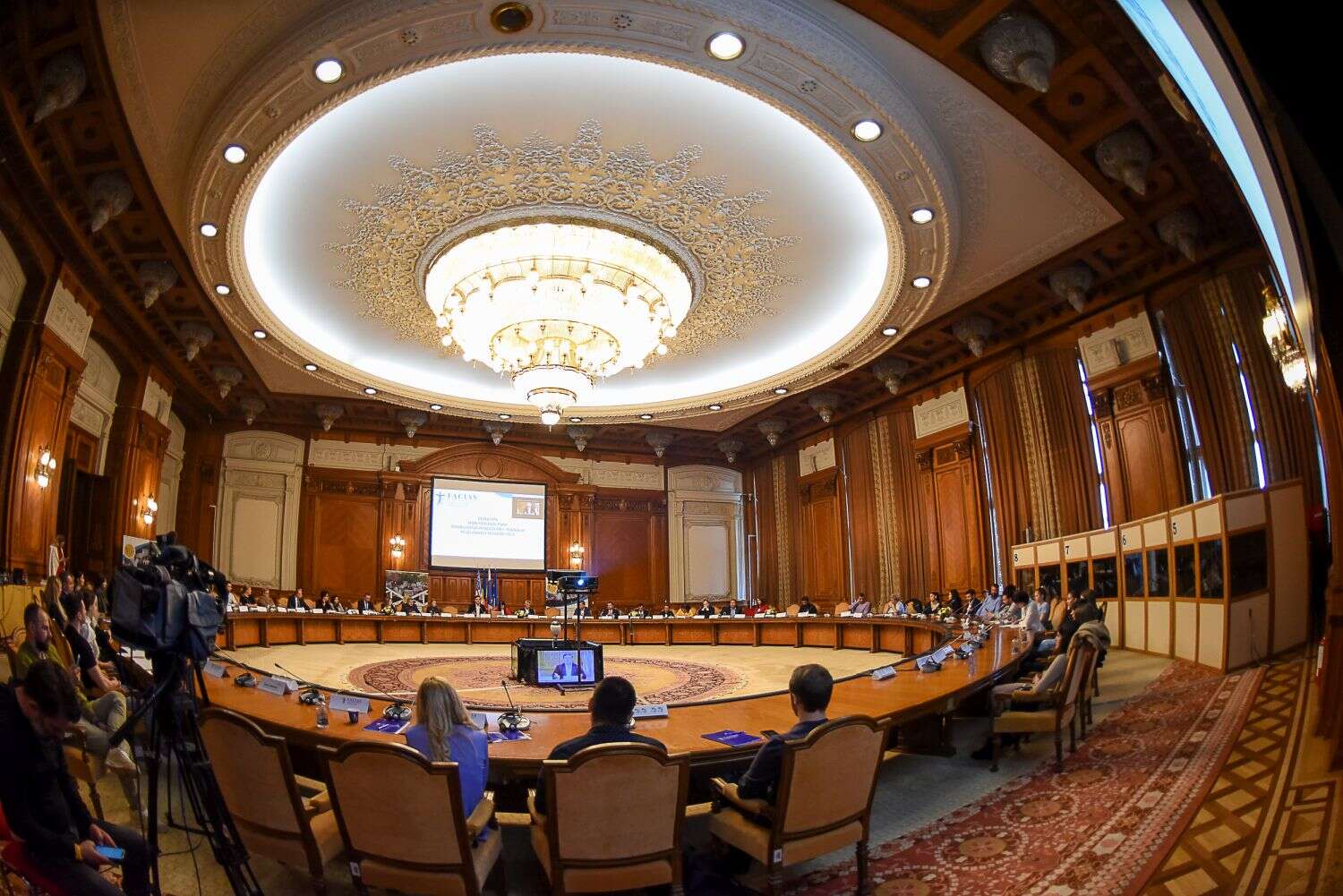
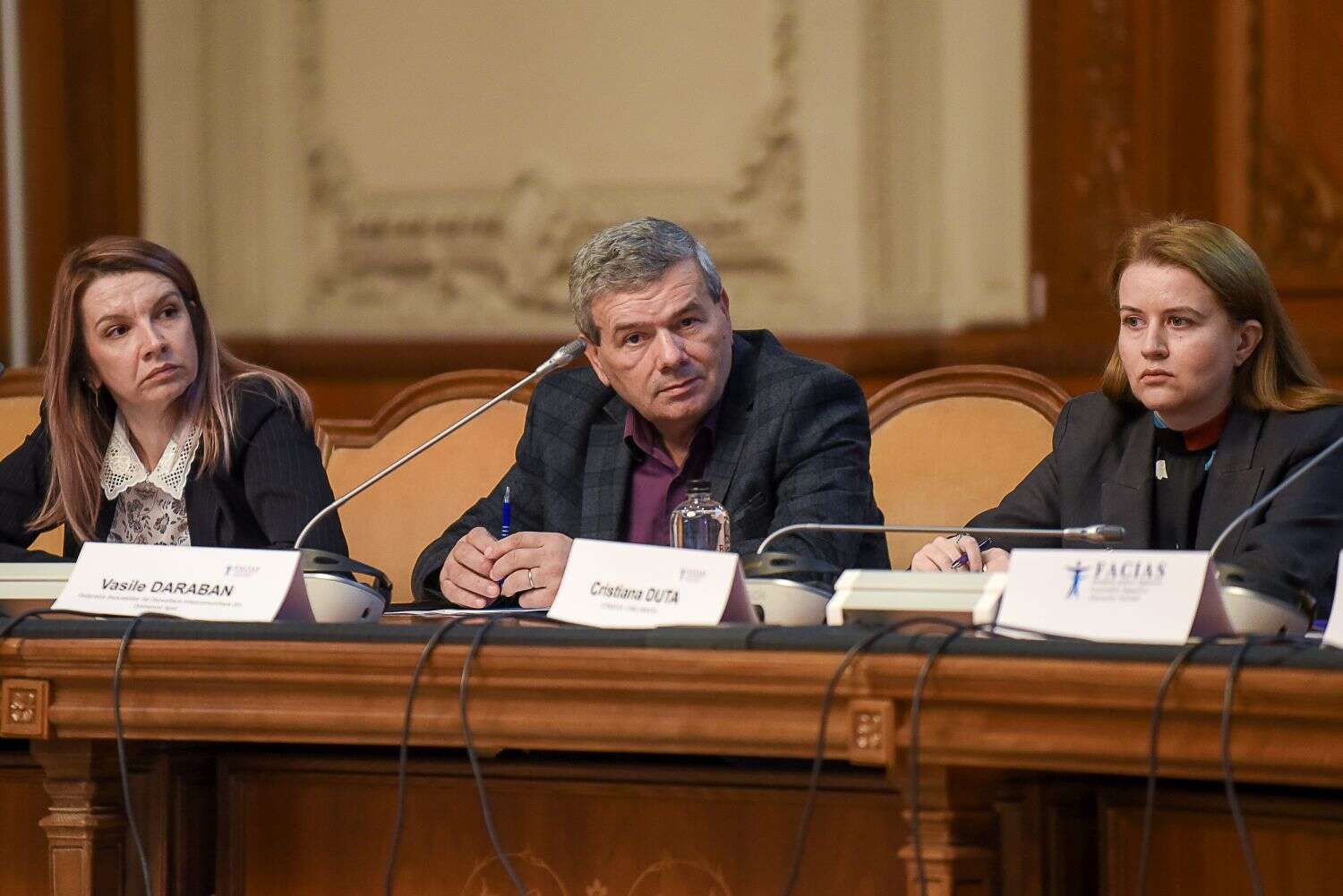
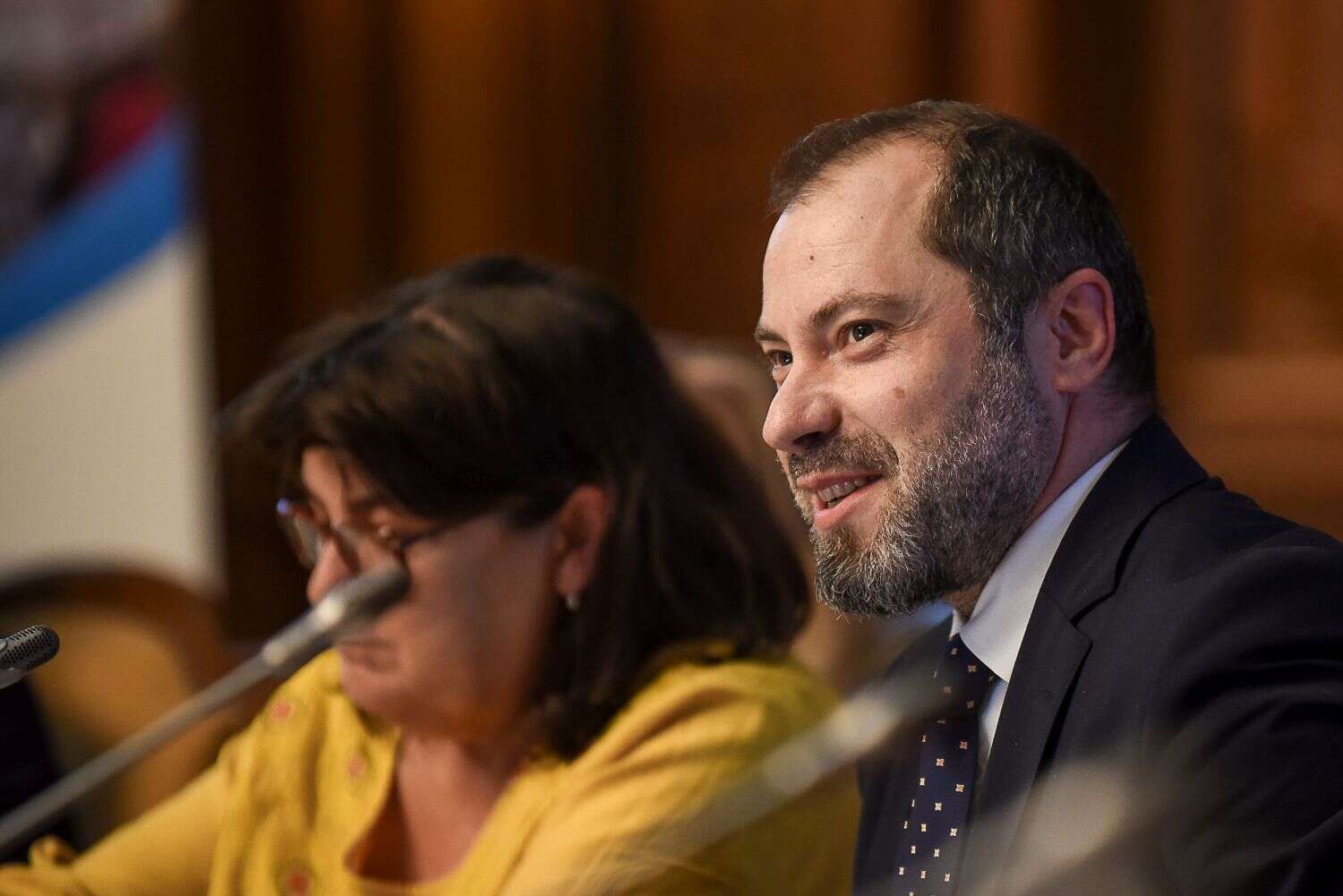
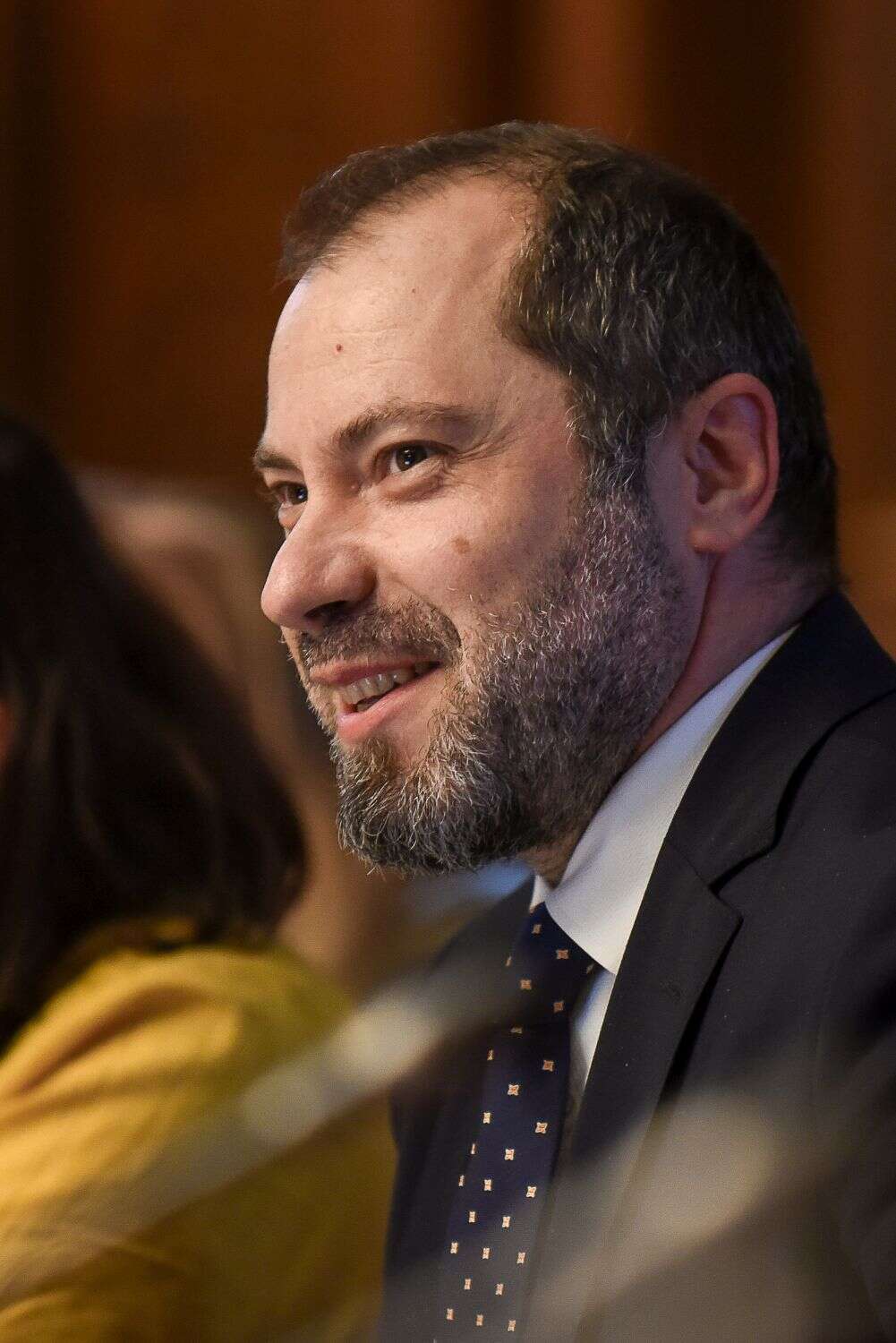
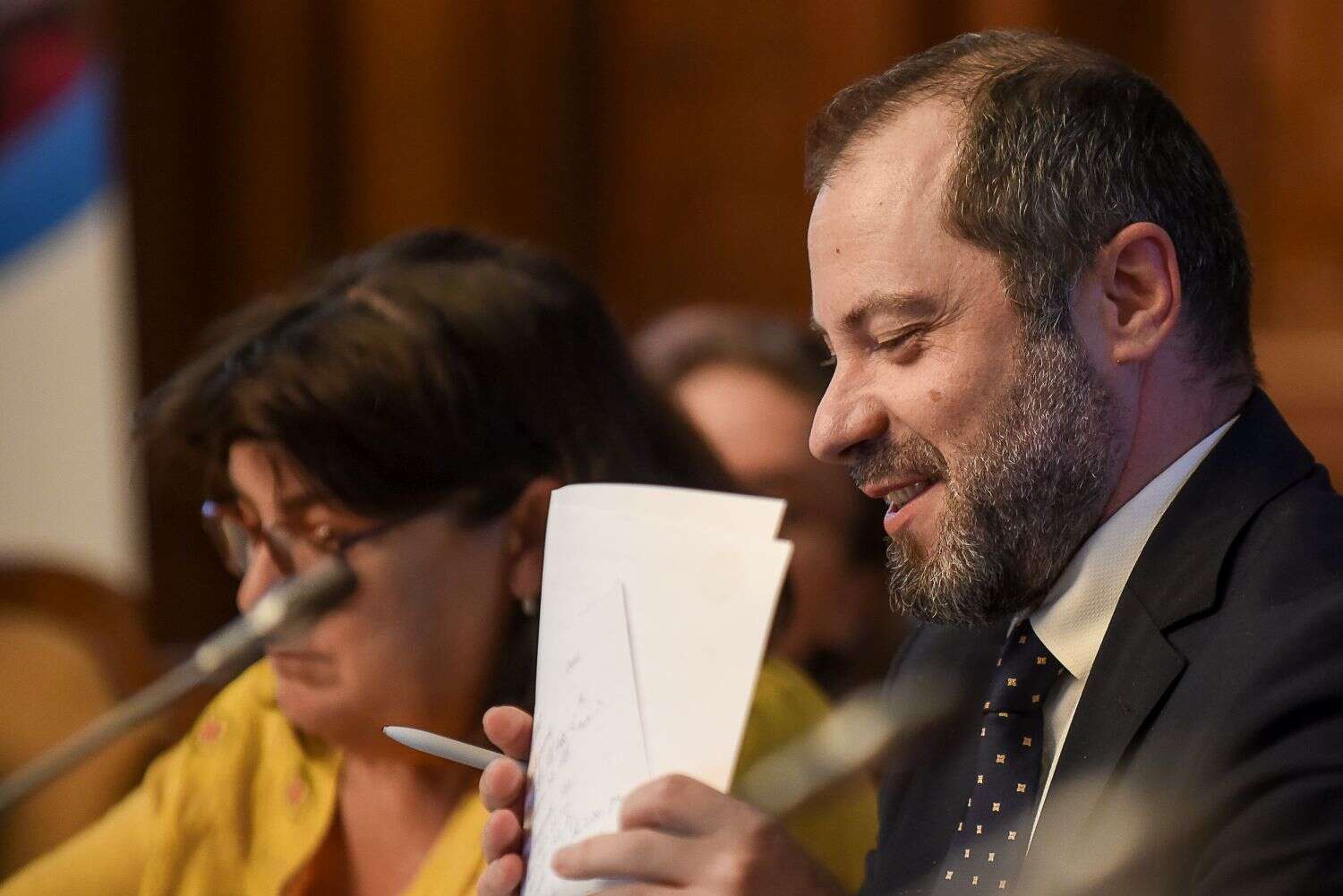
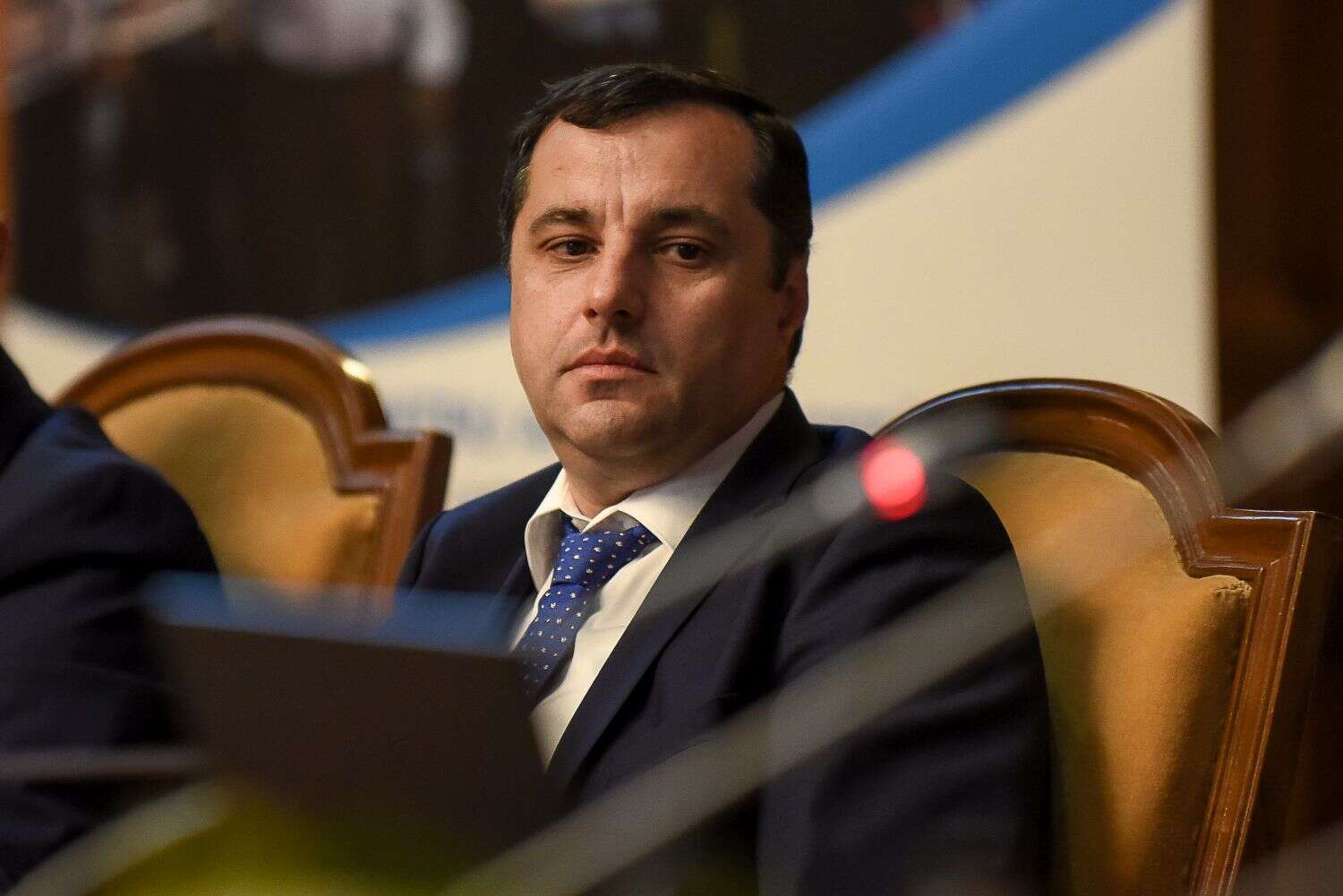
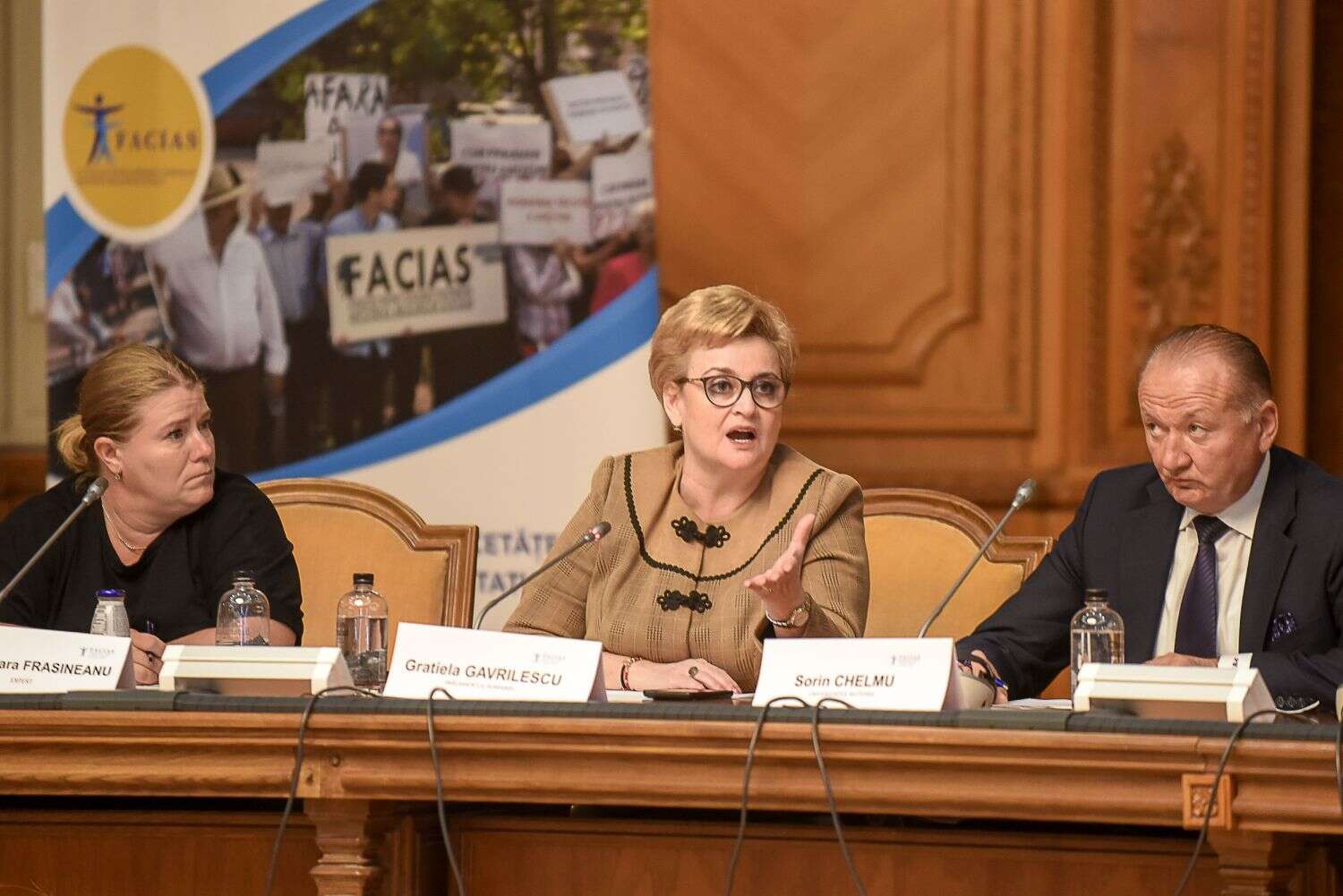
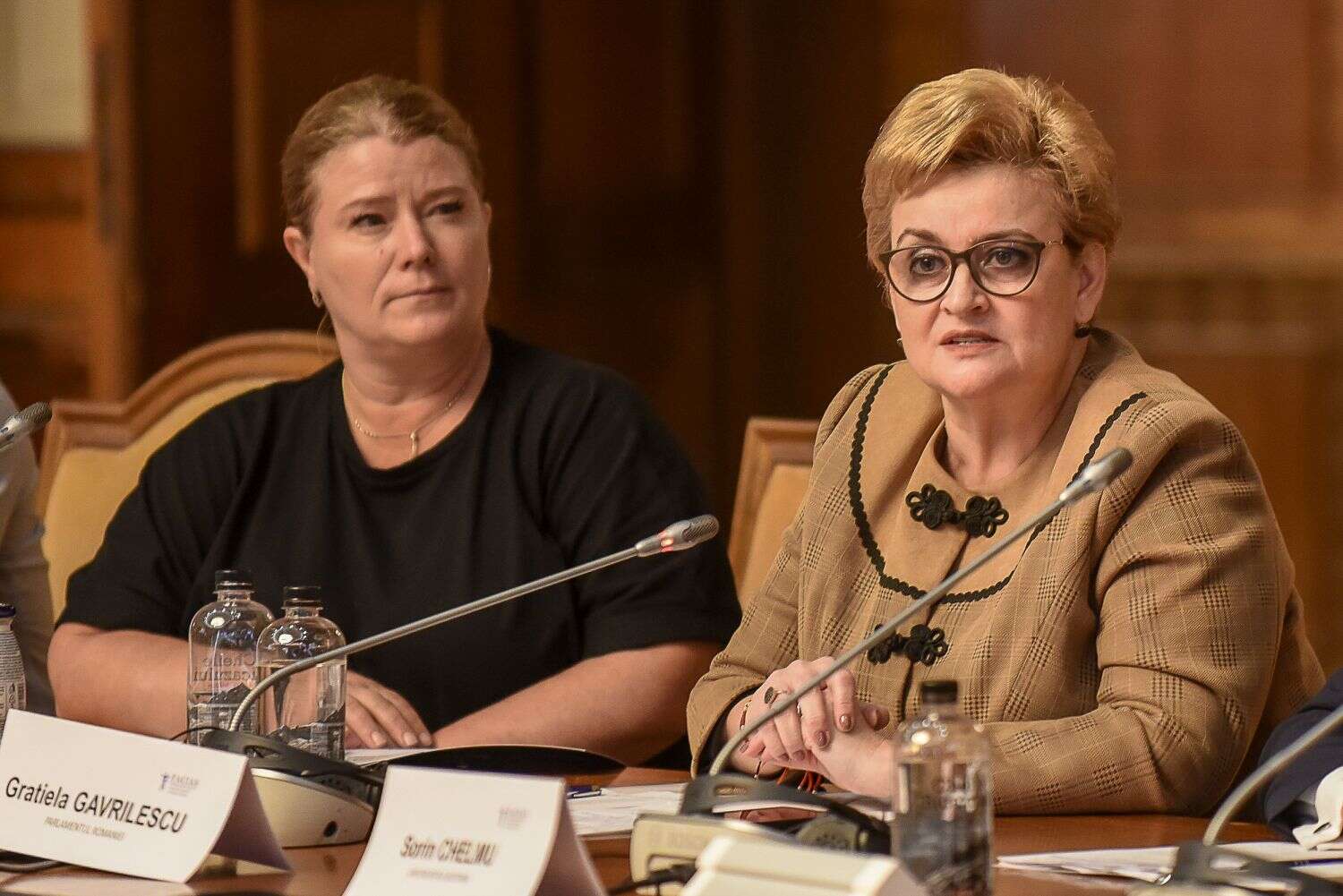
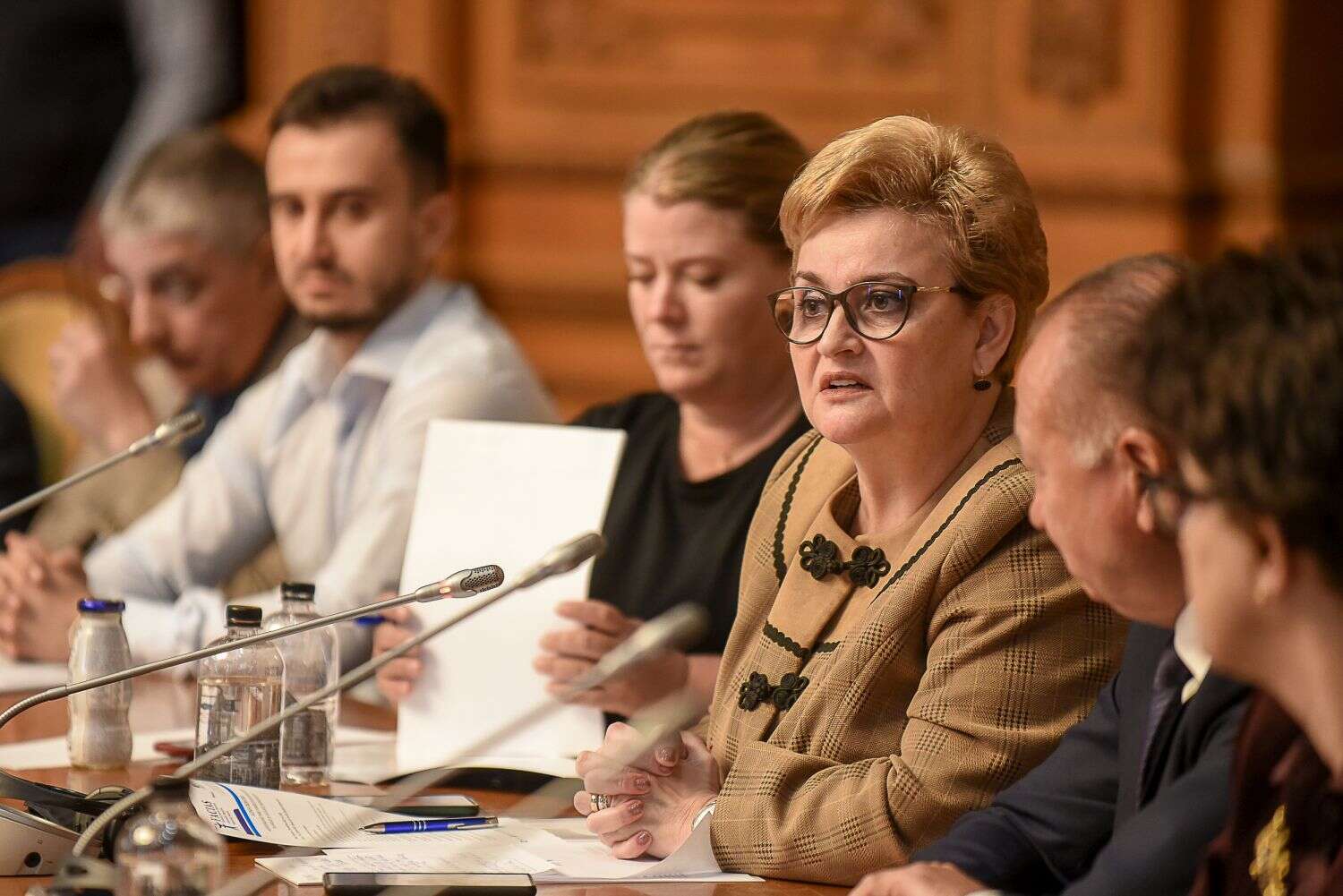
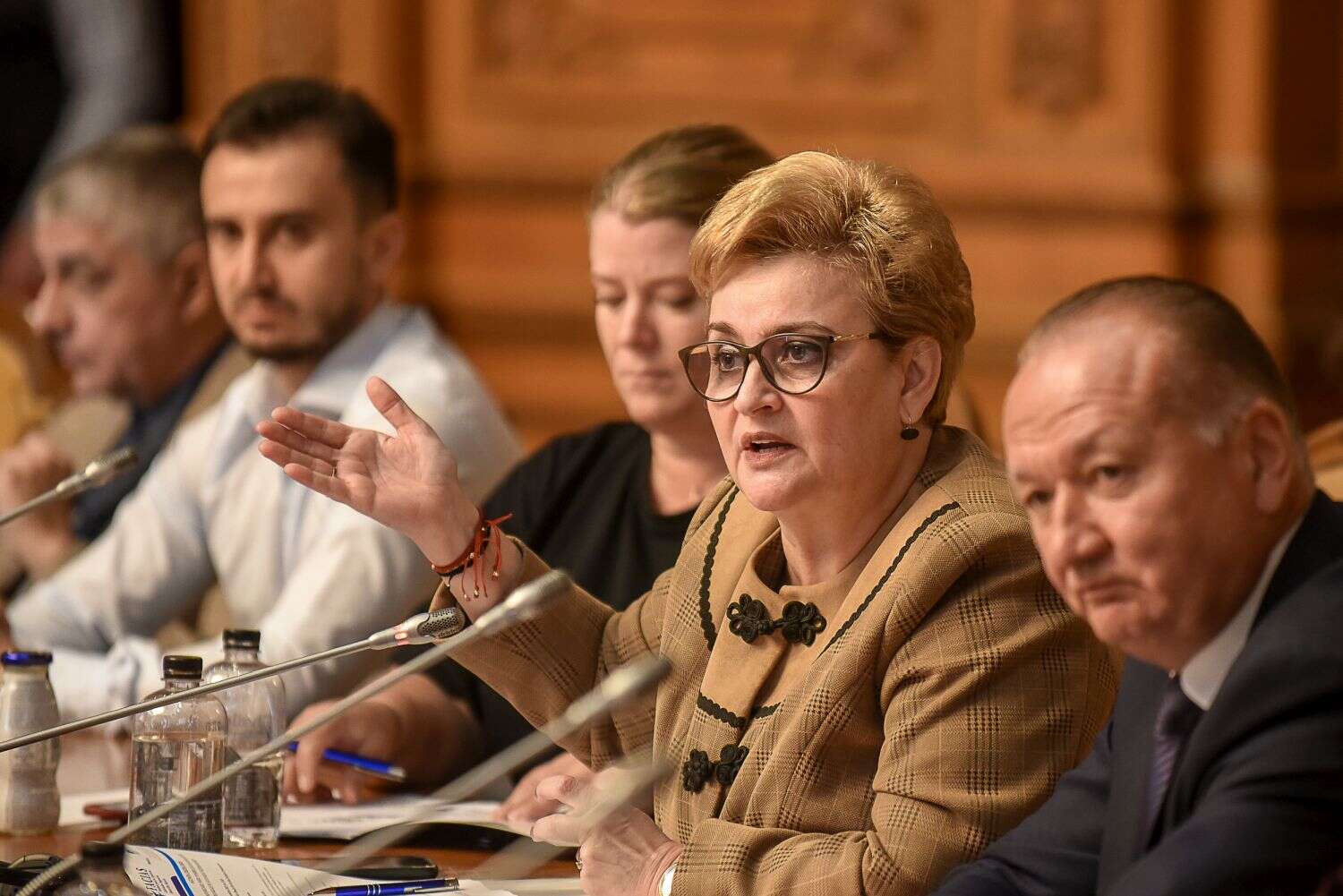
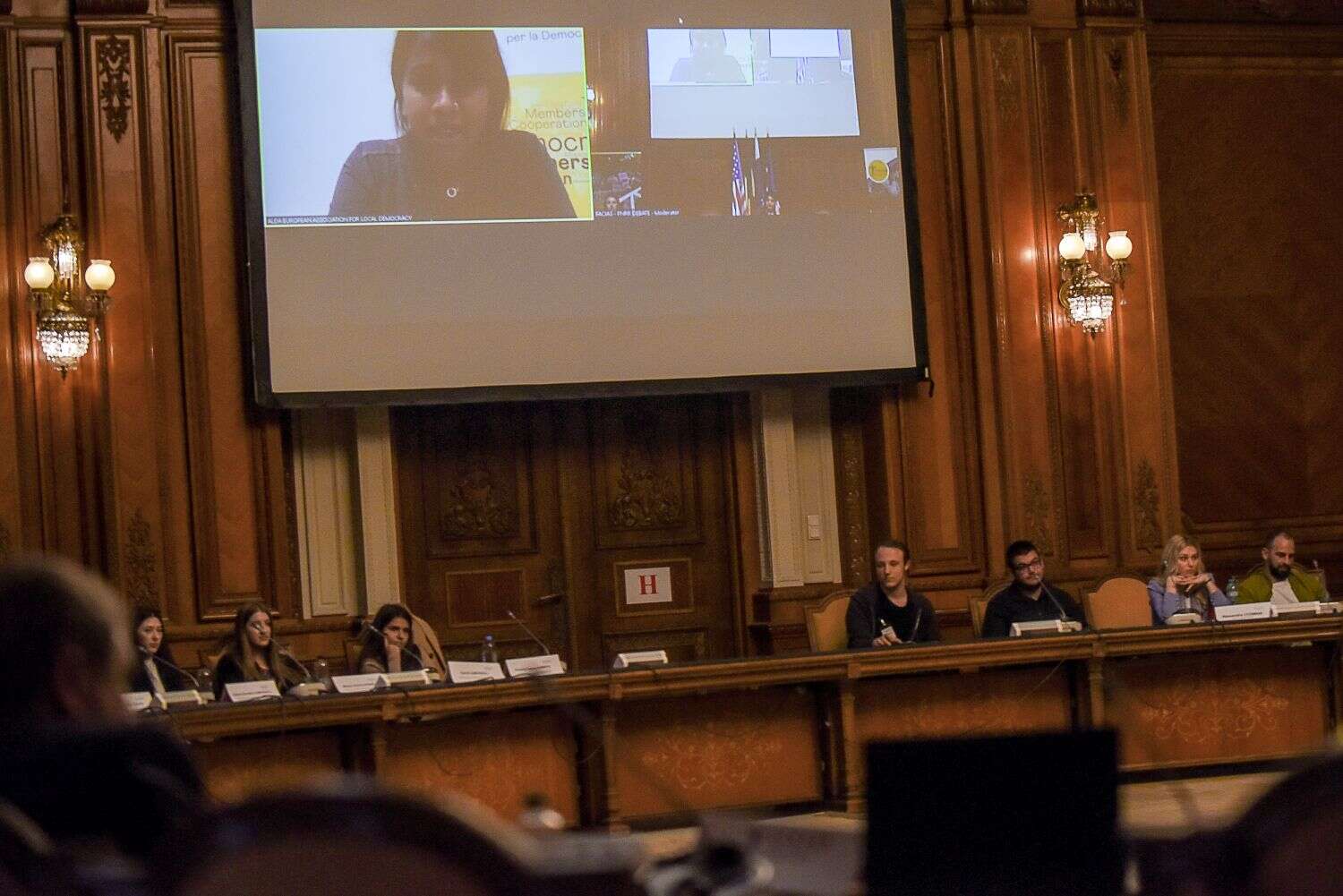
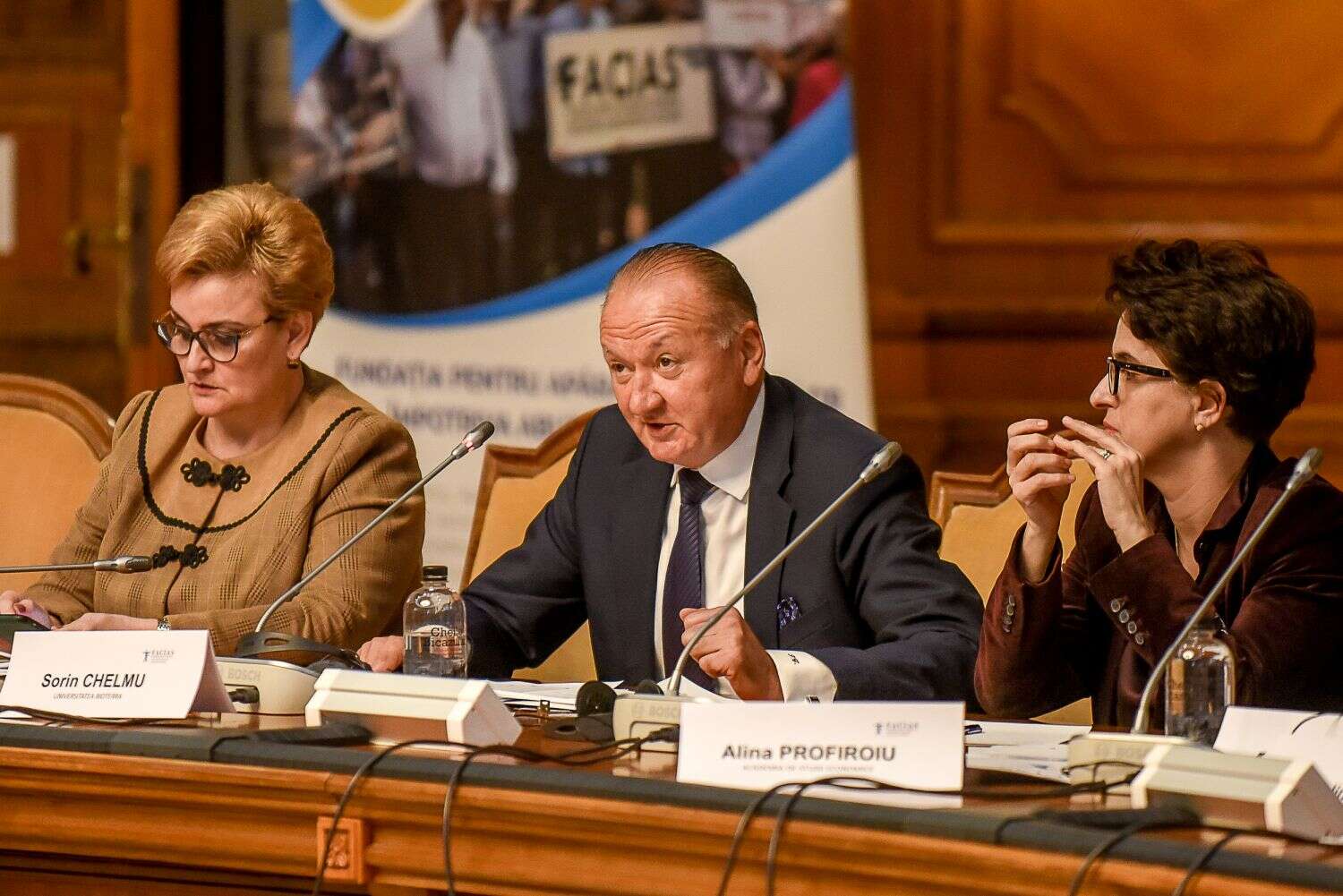
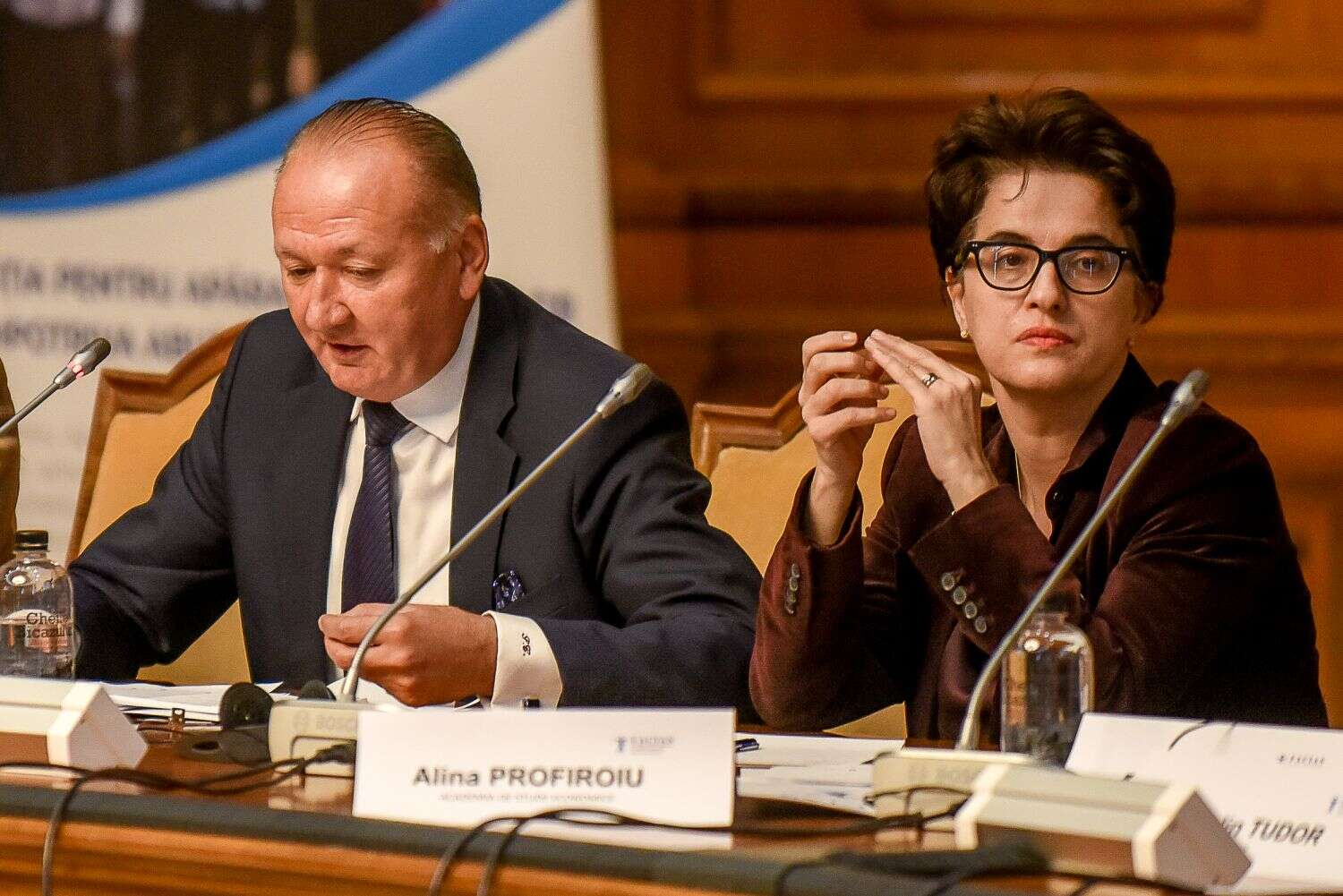
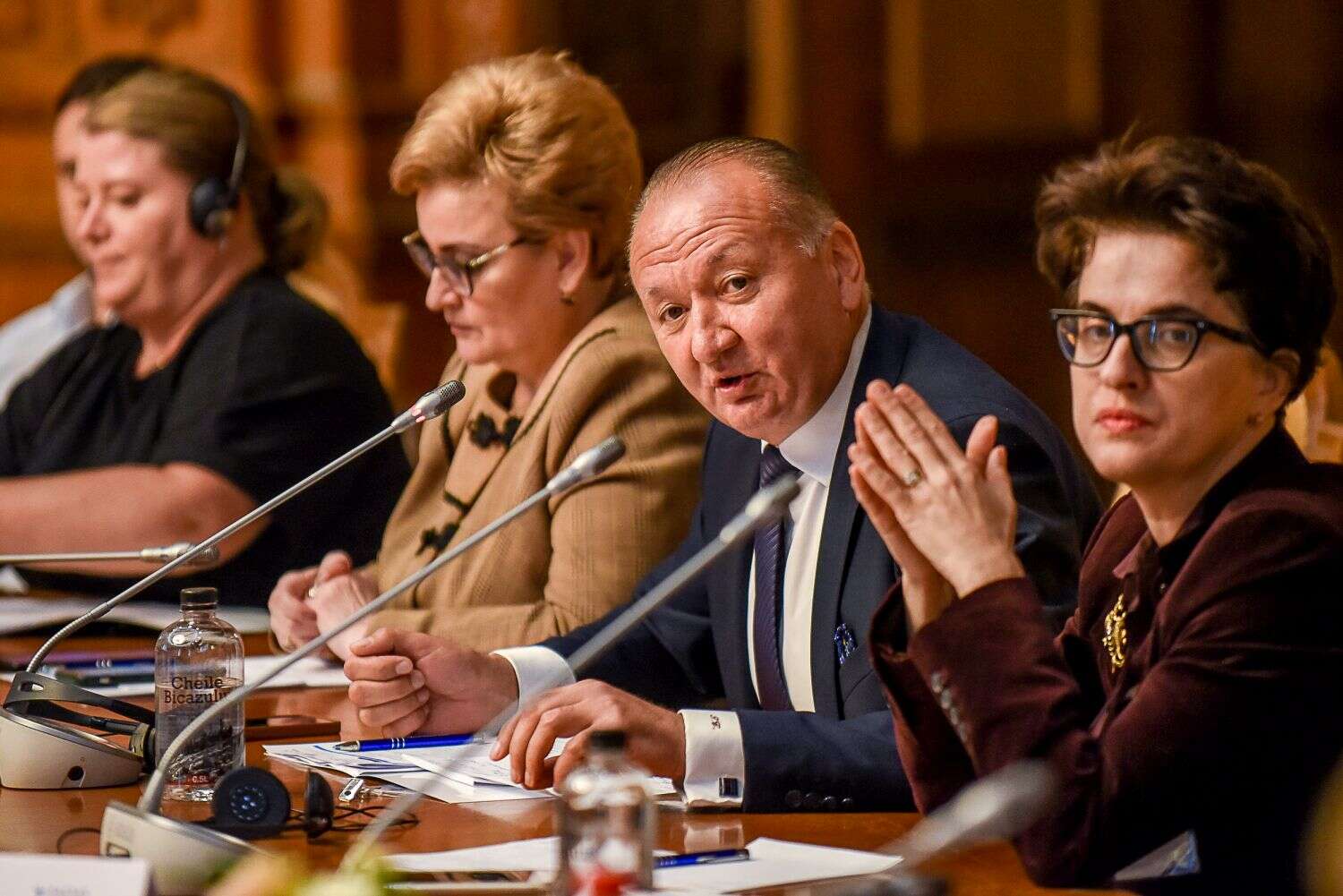
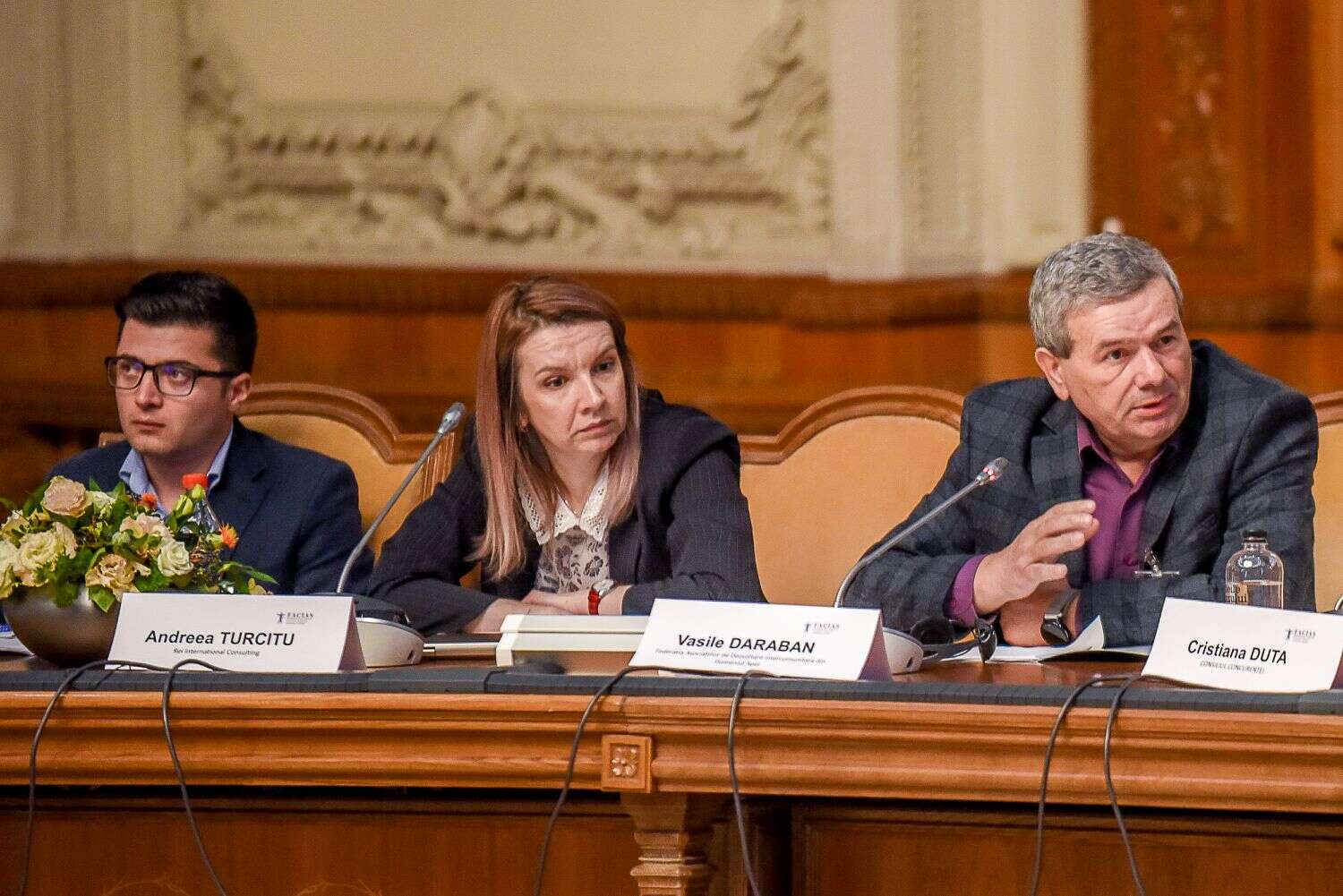
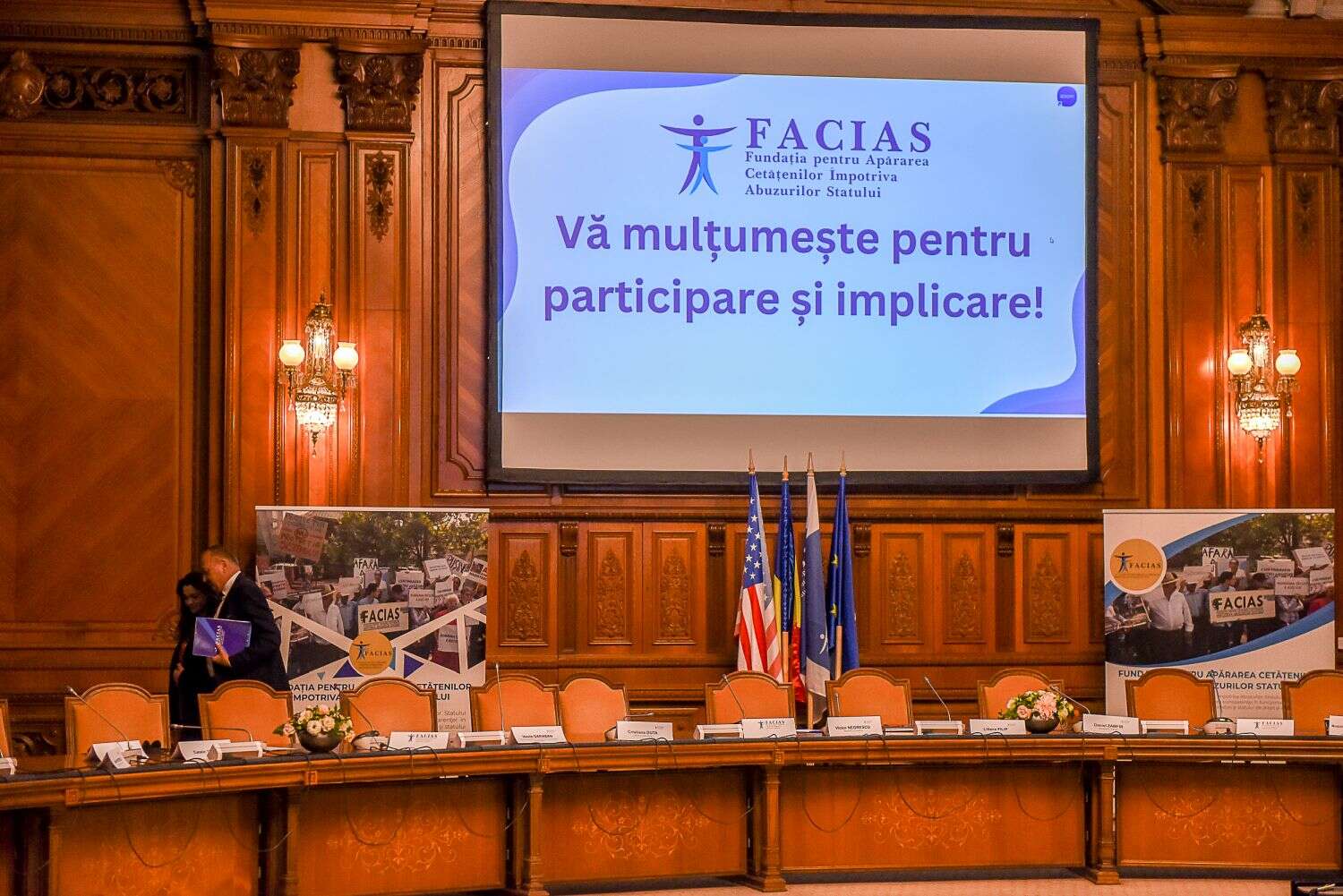
So EVERYTHING CAN BE RENEGOTIATED or OPTIMIZED, as emerged from the debate "PNRR Monitoring: the possibility of renegotiating the plan on unfulfilled milestones", organized byThe Foundation For The Defense Of Citizens Against State Abuses (FACIAS), which was attended by government actors, MPs and MEPs, representatives of civil society and academia.
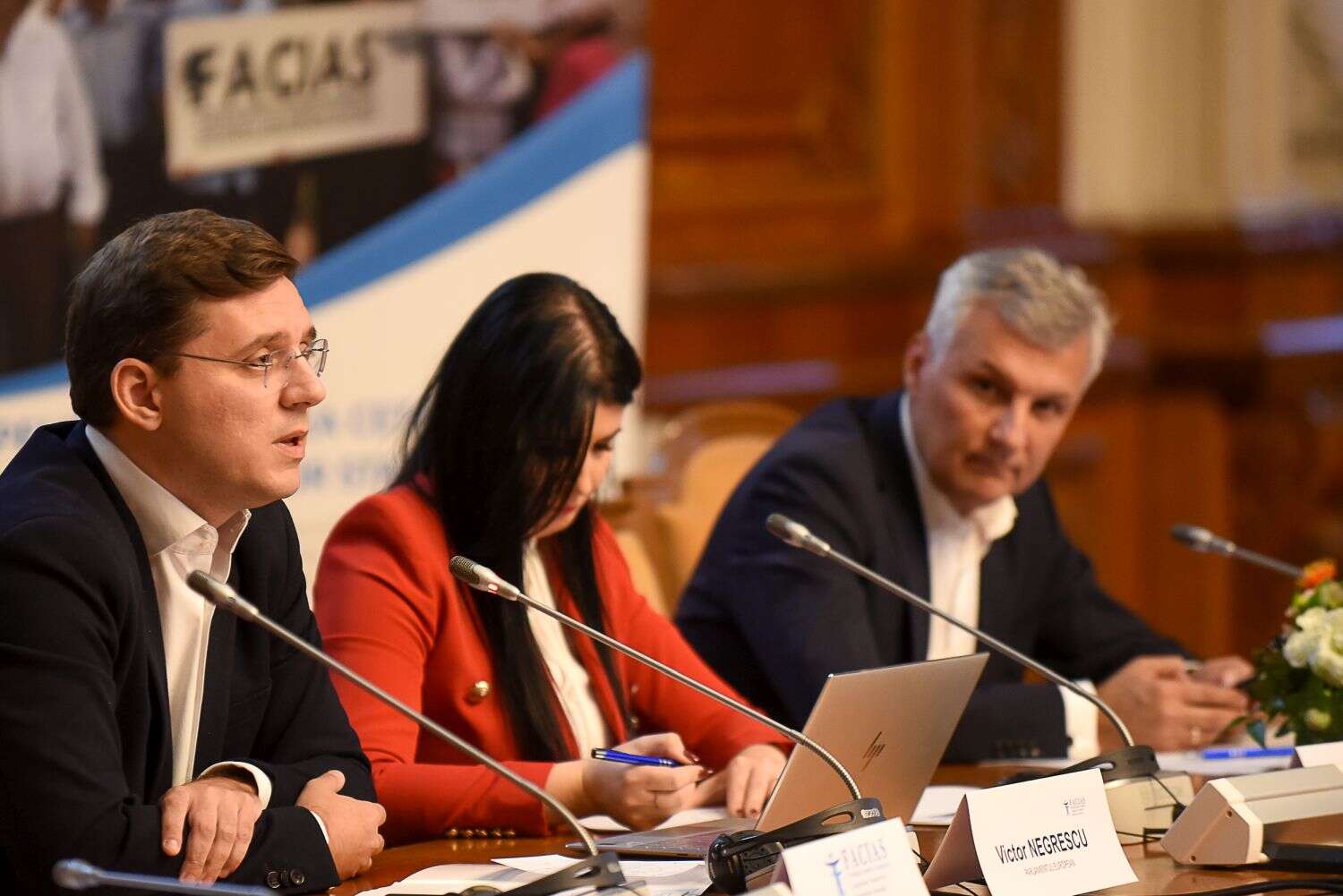
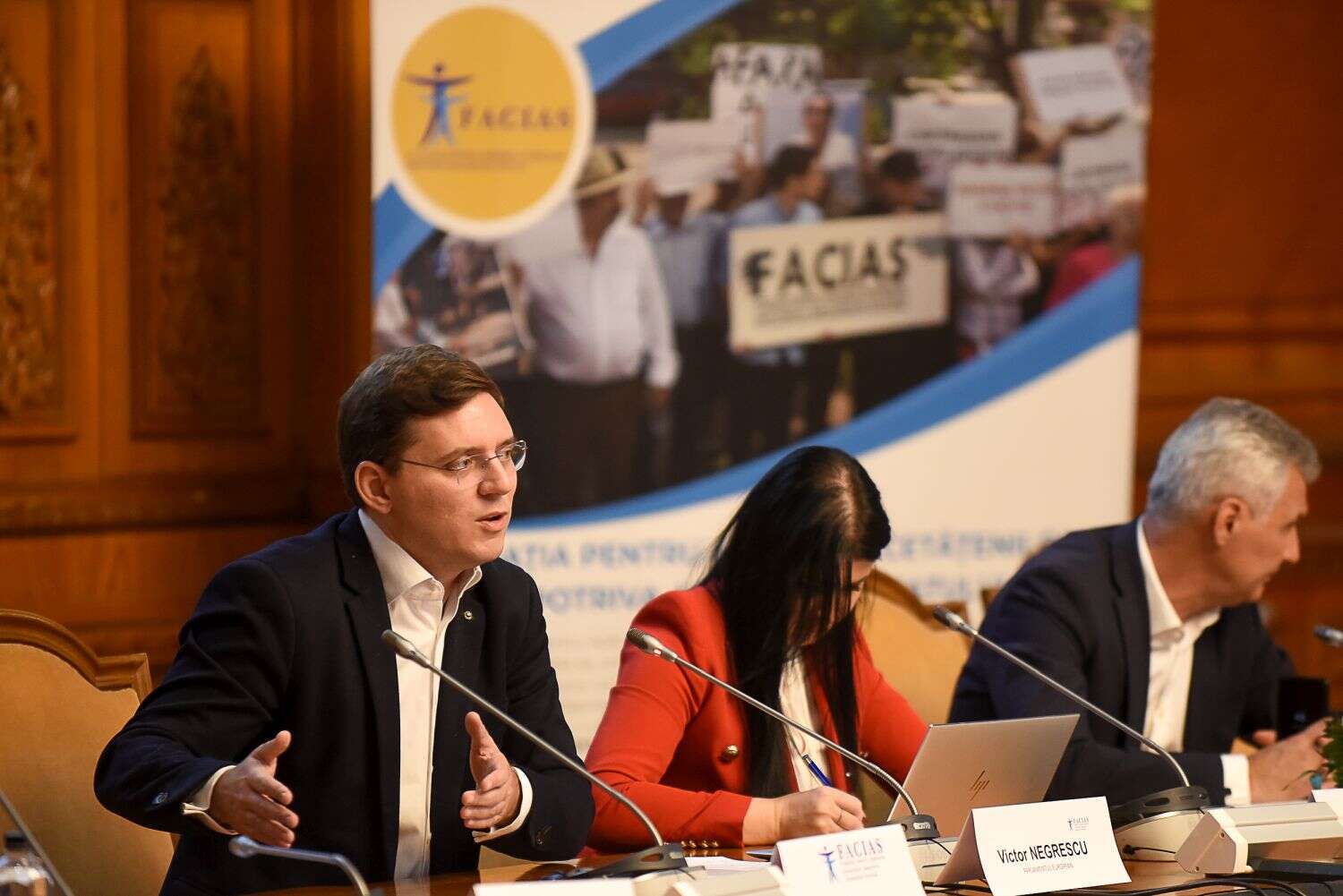
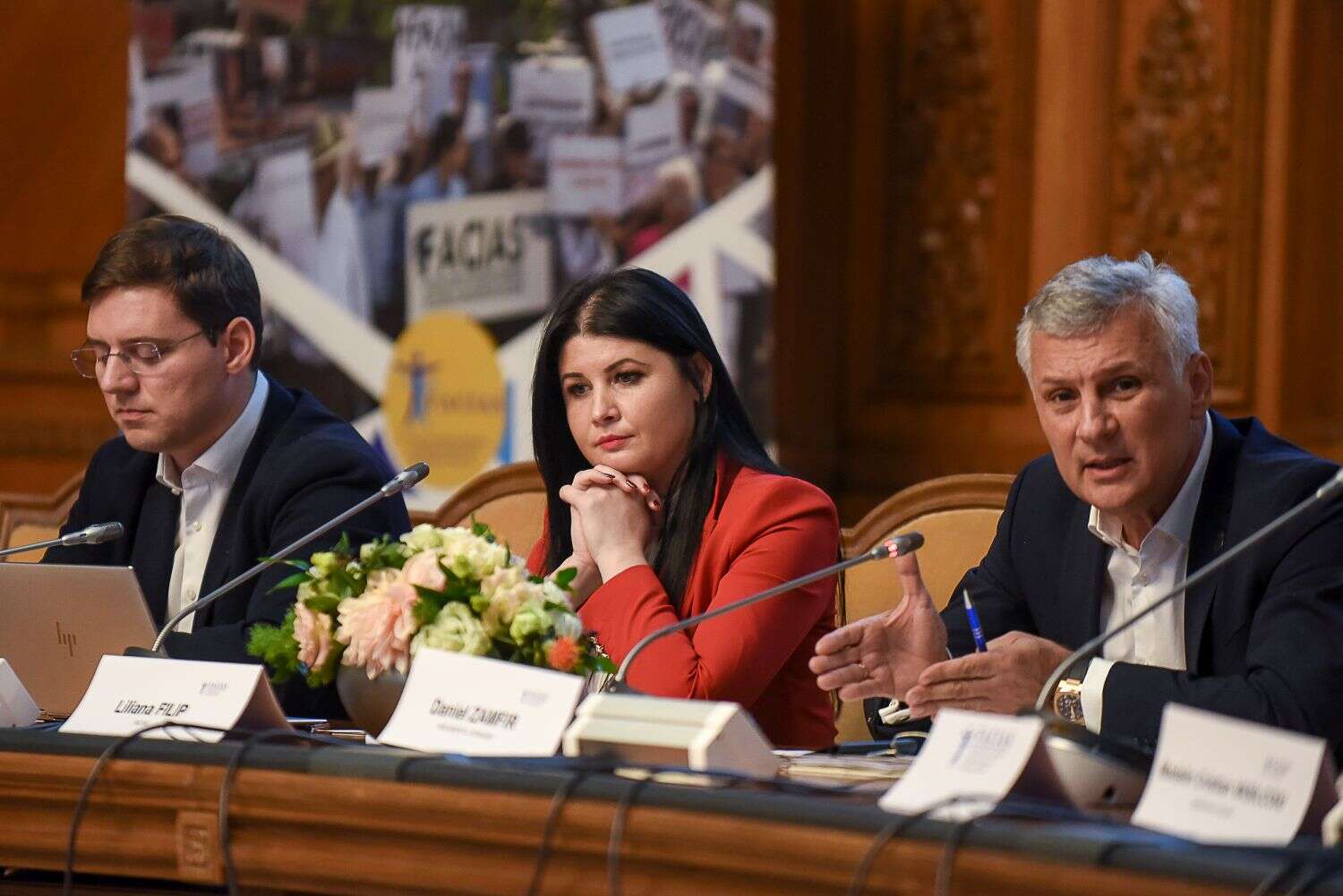
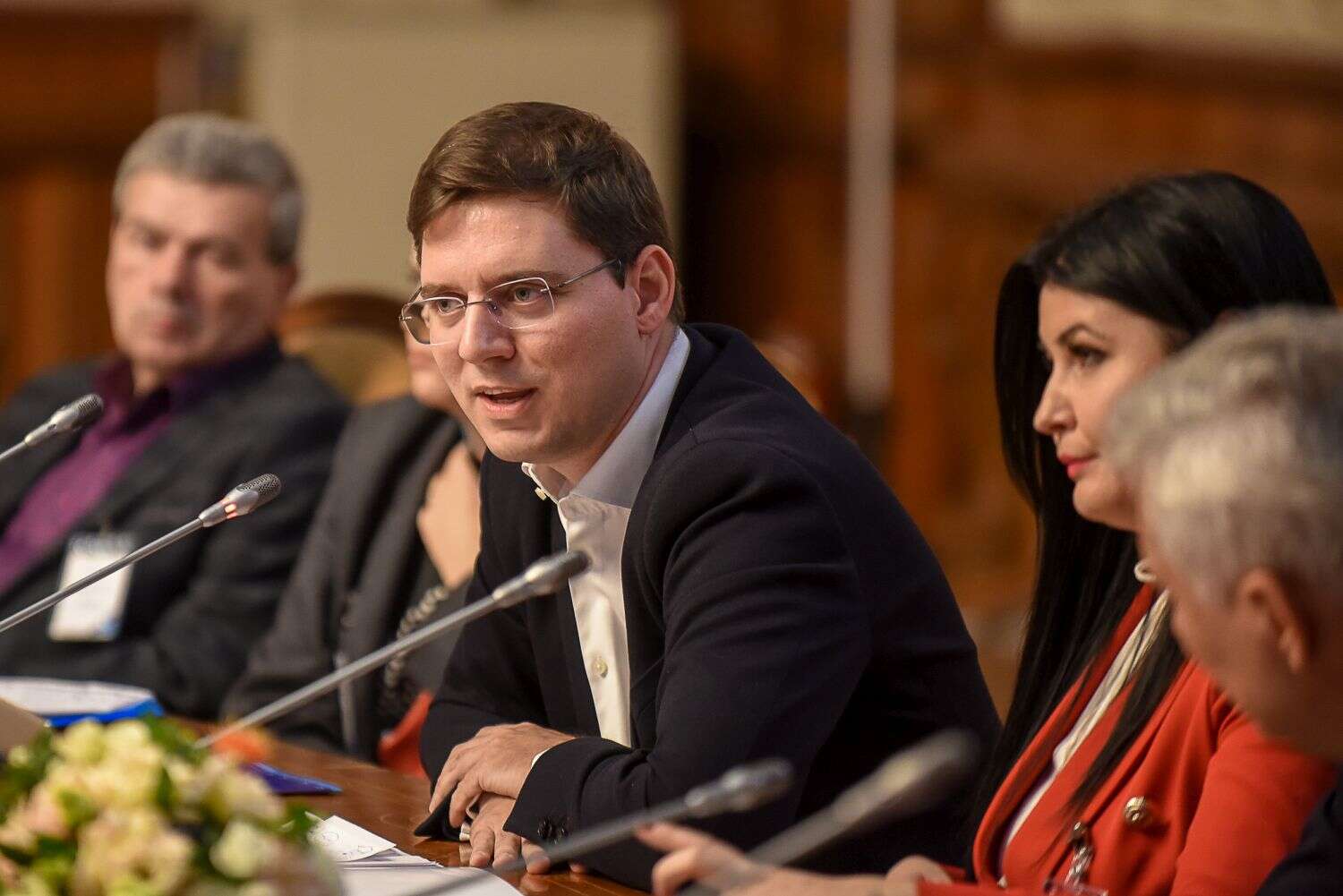
"We're almost on schedule, which is great. The NRRP regulation allows for renegotiation of recovery plans. It's taking a long time, the maximum period is 6 months. If we don't want renegotiation and we want optimisation, we can do it, there are already countries that have asked for optimisation. The new Regulation was discussed in the Committee on Budgets, where I personally proposed an amendment that was adopted, which says that the NRRPs can be modified not only for major force but also if there is an impact of the war in Ukraine and the crises we are going through have an impact on implementation", explained MEP Victor Negrescu.
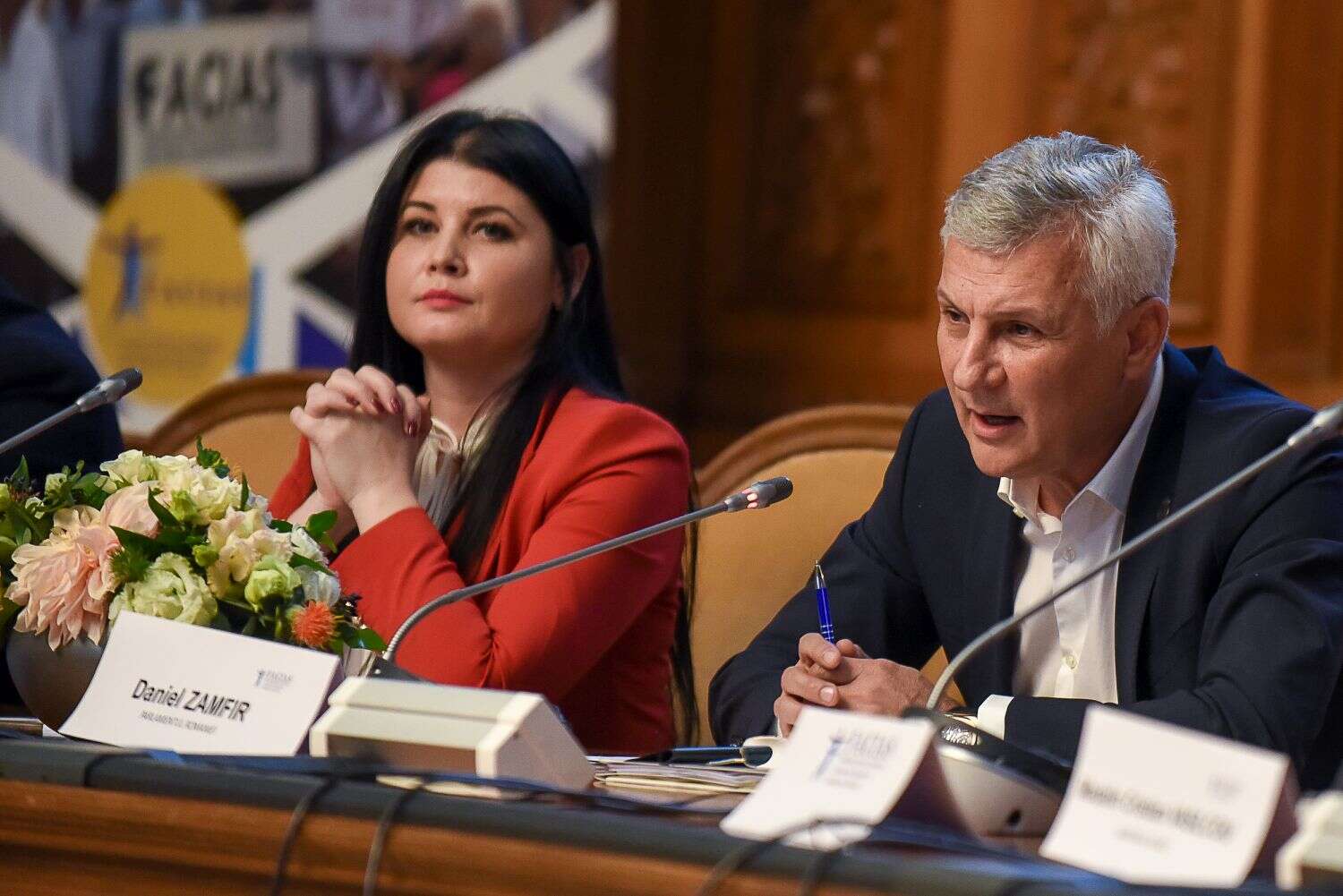
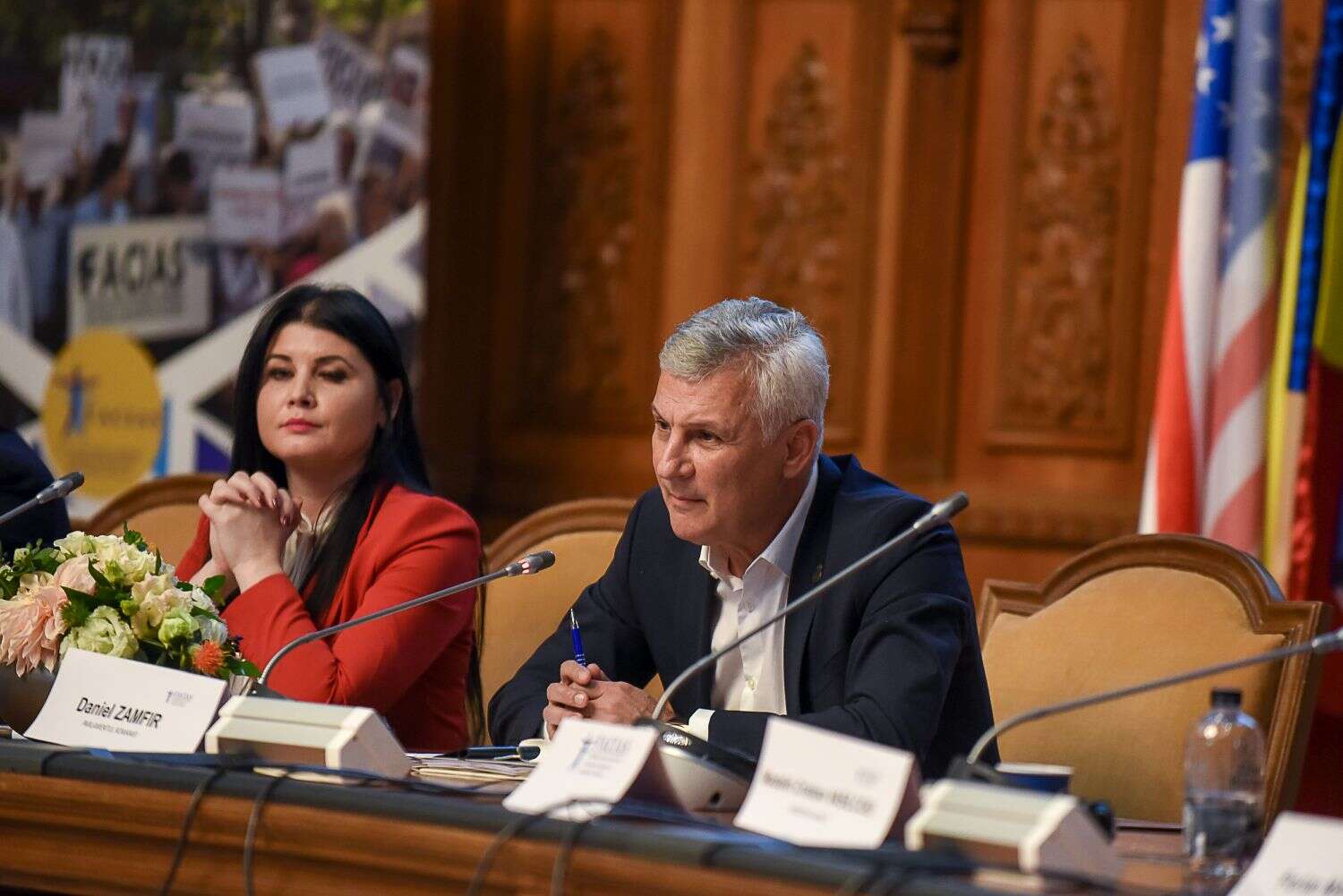
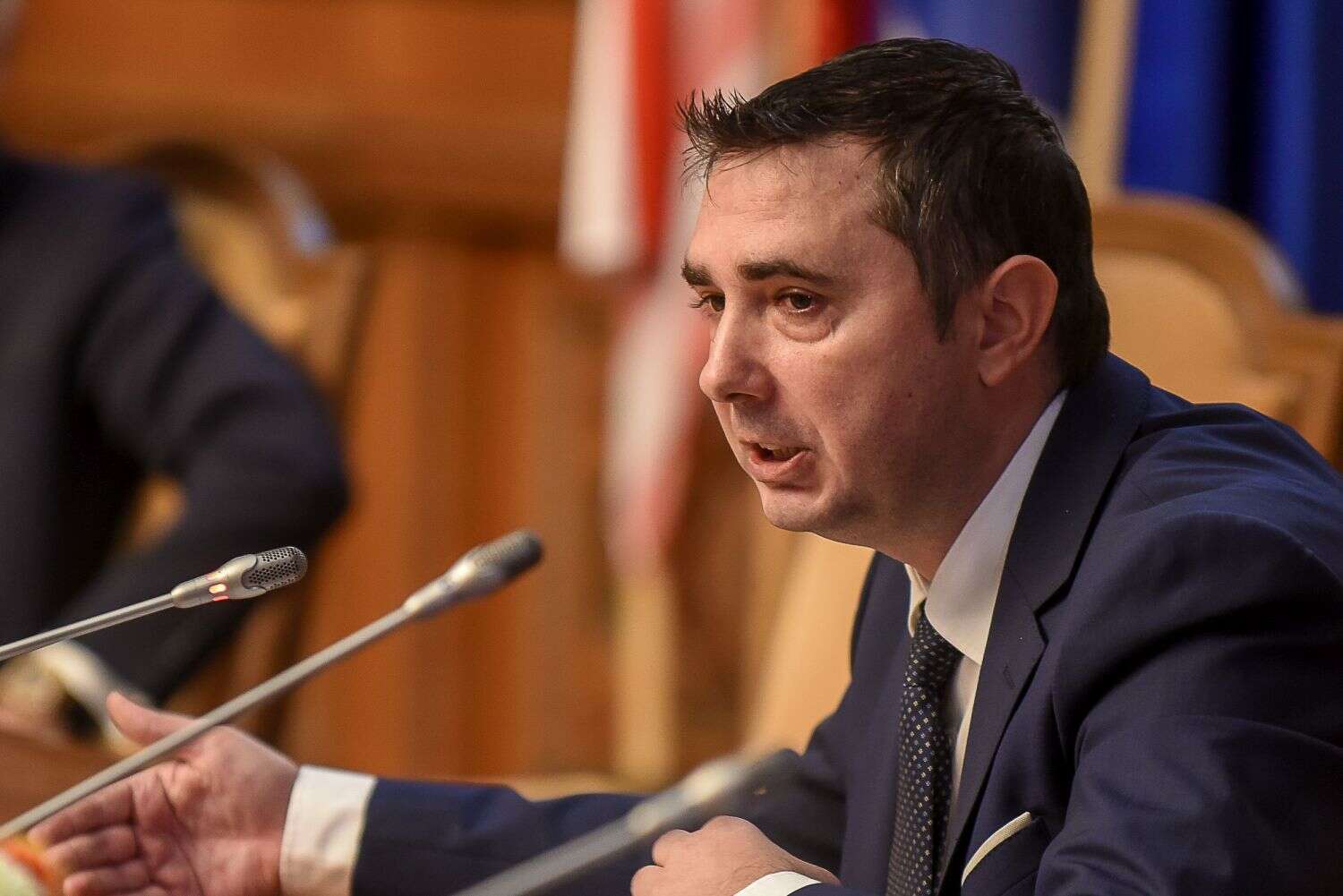
One of the key chapters of the NRRP, the one on the energy sector and carbon emission reduction, is a special case in point. Through the NRRP, Romania has undertaken to close several thermal power stations, a process which has already begun, and to replace production capacities with modern, "green" ones. The milestone of decarbonisation has not been met and its implementation, as foreseen in the NRRP, would be a disaster, says Senator Daniel Zamfir.
"Some of the targets in the NRRP are impossible to accept. It's not possible. I am telling you categorically, I have told everyone. I'm not shying away from words. It is a disaster if the targets in the NRRP are implemented. The fact that we have undertaken to shut down 2,300 MW right now, to take out of the national system, I can tell you from the outset that this is a disaster, if I may put it delicately, for the national economy. You don't play with energy, it's not a commodity. If you take it off the energy system and decommission it, as happened at Mintia and other areas, you can't put it back. We made some closure targets in the NRRP, let's say it was ok then, but things have changed. We are in a different paradigm. What do we do now? Do we close now, with the idea that we're going to open I don't know when on gas? I'm telling you straight, we will never open gas-fired power plants. Germany ended up shutting down a wind farm to extract lignite because it was more economically profitable," said Senator Daniel Zamfir, chairman of the Economic, Industry and Services Committee.
As FACIAS has already pointed out, the renegotiation of milestones and targets is neither a quick nor an easy process, the essential condition for its acceptance being the possibility to demonstrate the existence of objective causes that determine the need to modify the NRRP.
One such subject for renegotiation is the maximum percentage of 9.4% of GDP allocated to pensions, for which, according to Romanian officials, there is a solid basis for renegotiation.
"Theoretically, the possibilities for renegotiation or optimisation exist. In my view, the objective conditions are met, with reference to the conflict in Ukraine and all the overlapping crises. Our consultant, the World Bank, which is also a consultant to the European Commission, understood that changing military pensions in the context of an armed conflict on the border is not recommended. A decision has not yet been taken on the final form of the draft, but it must be taken by 31 December," said Cristian Vasilcoiu, state secretary in the Ministry of Labour.
In recent months, as part of its project to monitor the implementation of the NRRP, FACIAS has flagged up some problematic milestones and targets, and today we are in the situation where we cannot send a second payment request to the European Commission because of the non-fulfilment of some targets.
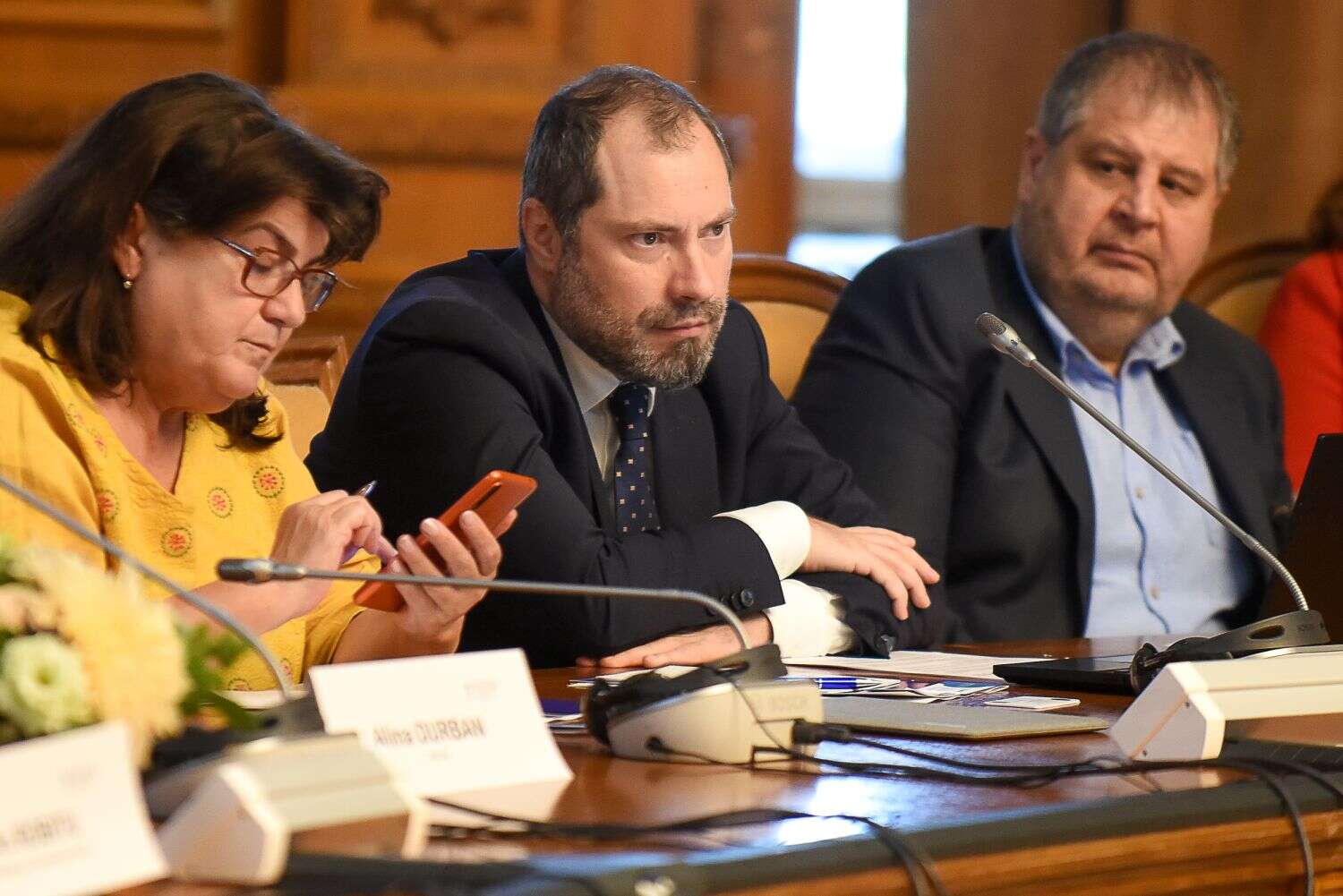
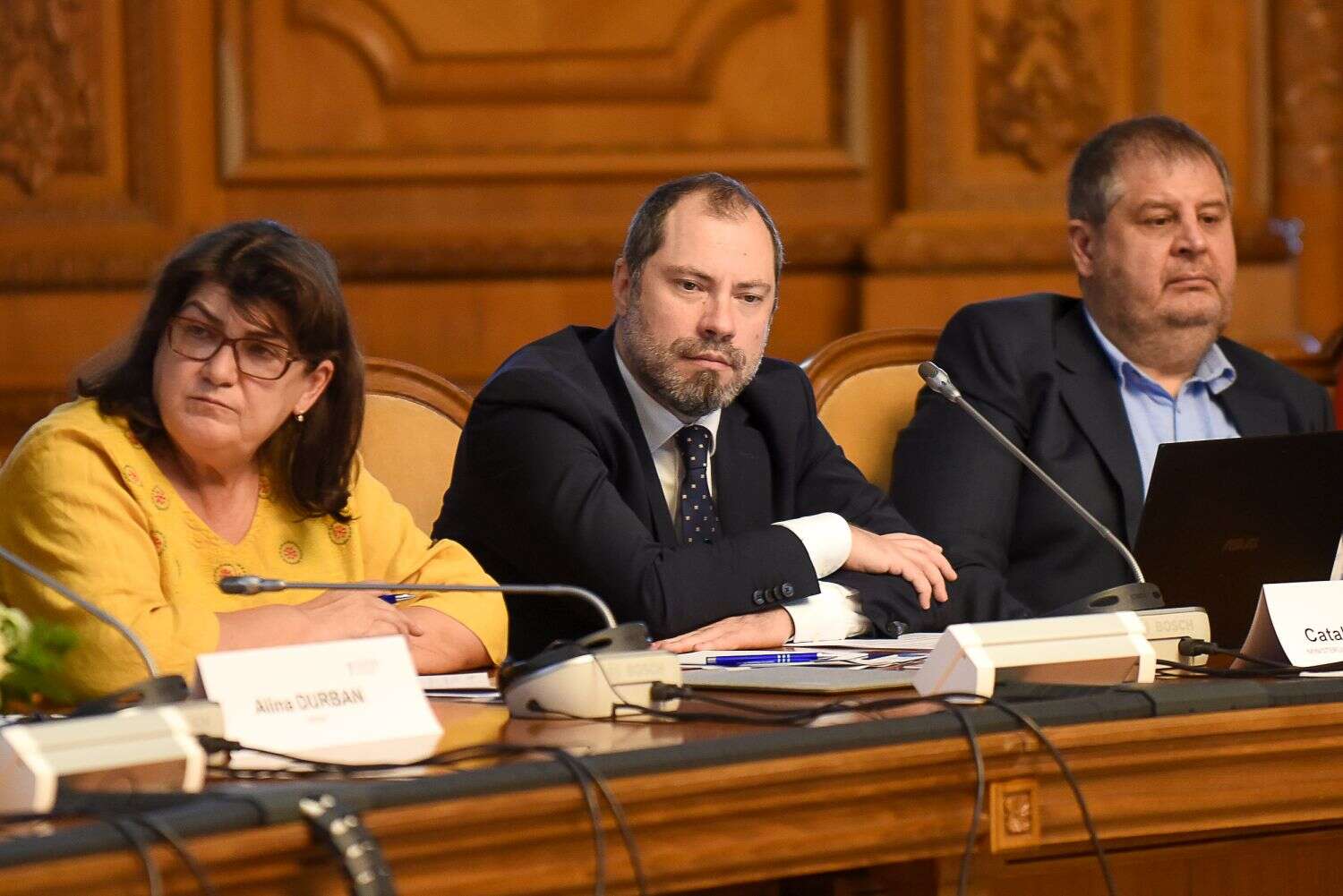
"The second application for payment has not been sent to the European Commission because an incomplete application is not accepted. Four milestones and targets are in the pipeline to be able to send the second payment. The law on warnings, the law on decarbonisation, a very delicate issue for which there is still discussion and there is still the need to finalise assessments and contract for funding at the Ministry of Energy for the hydrogen and cogeneration part. The deadline is 15 November, we hope that there will be political agreement in Parliament on the two laws and that our colleagues at the Ministry of Energy will make huge efforts and sign the contracts, so that we can send the payment request", explained Cătălin Costache, Director in the Ministry and European Projects, at the Directorate General Management of the Recovery and Resilience Mechanism.
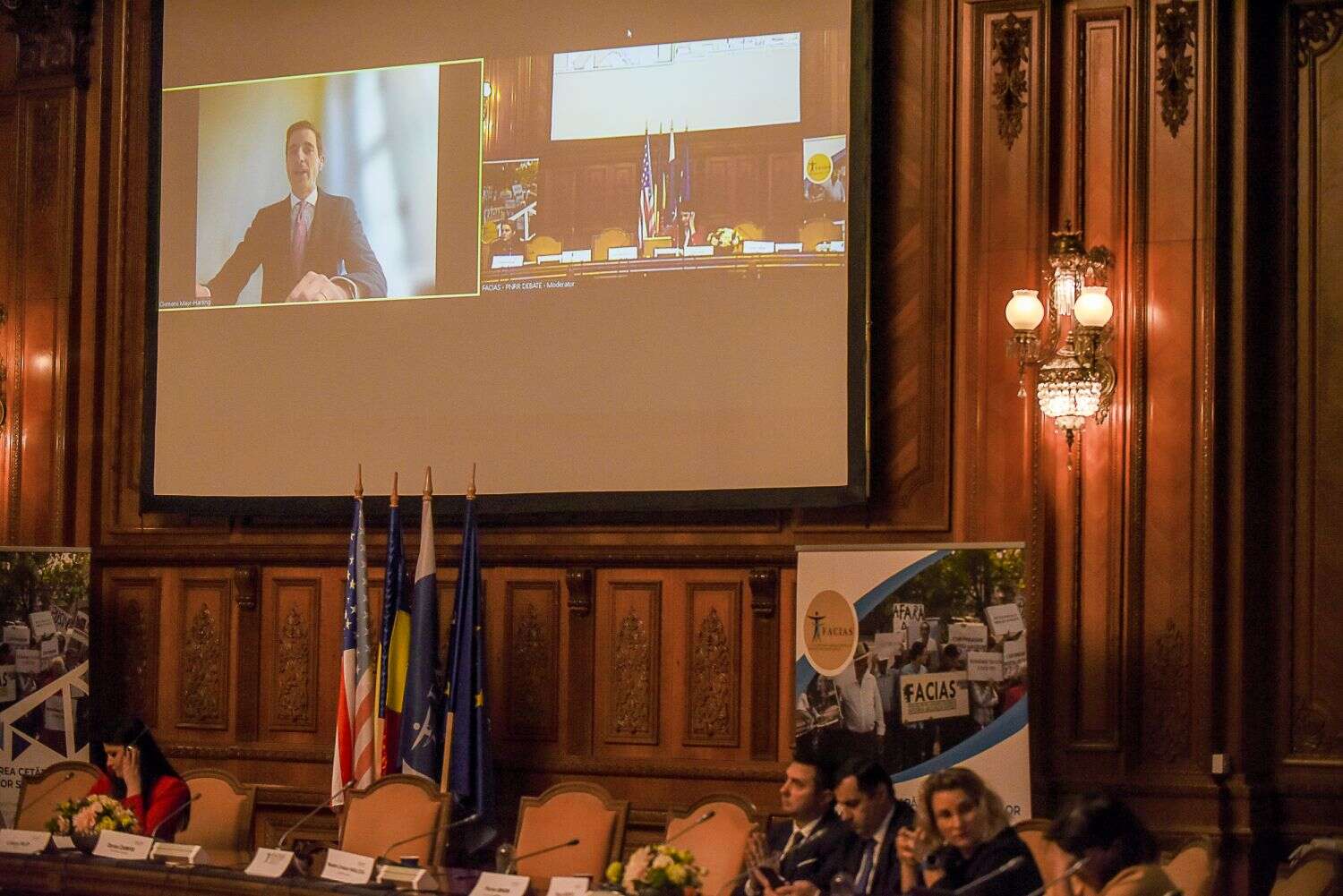
Officials from other EU countries also responded to FACIAS's invitation to take part in the debate, offering models of good practice in implementing national plans. Among the speakers was Clemens Mayr-Harting, representative of the Ministry for European Affairs of Austria, a country that offers a particular model of NRPP, applying only for grant funding, not loans.
As the Austrian official explained, their projects focused on the two big mandatory themes imposed by the Commission, Green Deal and digitisation, projects that account for 87% of the total projects approved for Austria, where some of them have already been implemented and are operational, examples being an electronic driver's licence and a single pass for public transport, regardless of the mode of transport chosen.
While Austria is already reaping the fruits of the projects submitted through the NRRP, Romania is still stumbling over small details and there is no official monitoring of the smooth running of the NRRP.
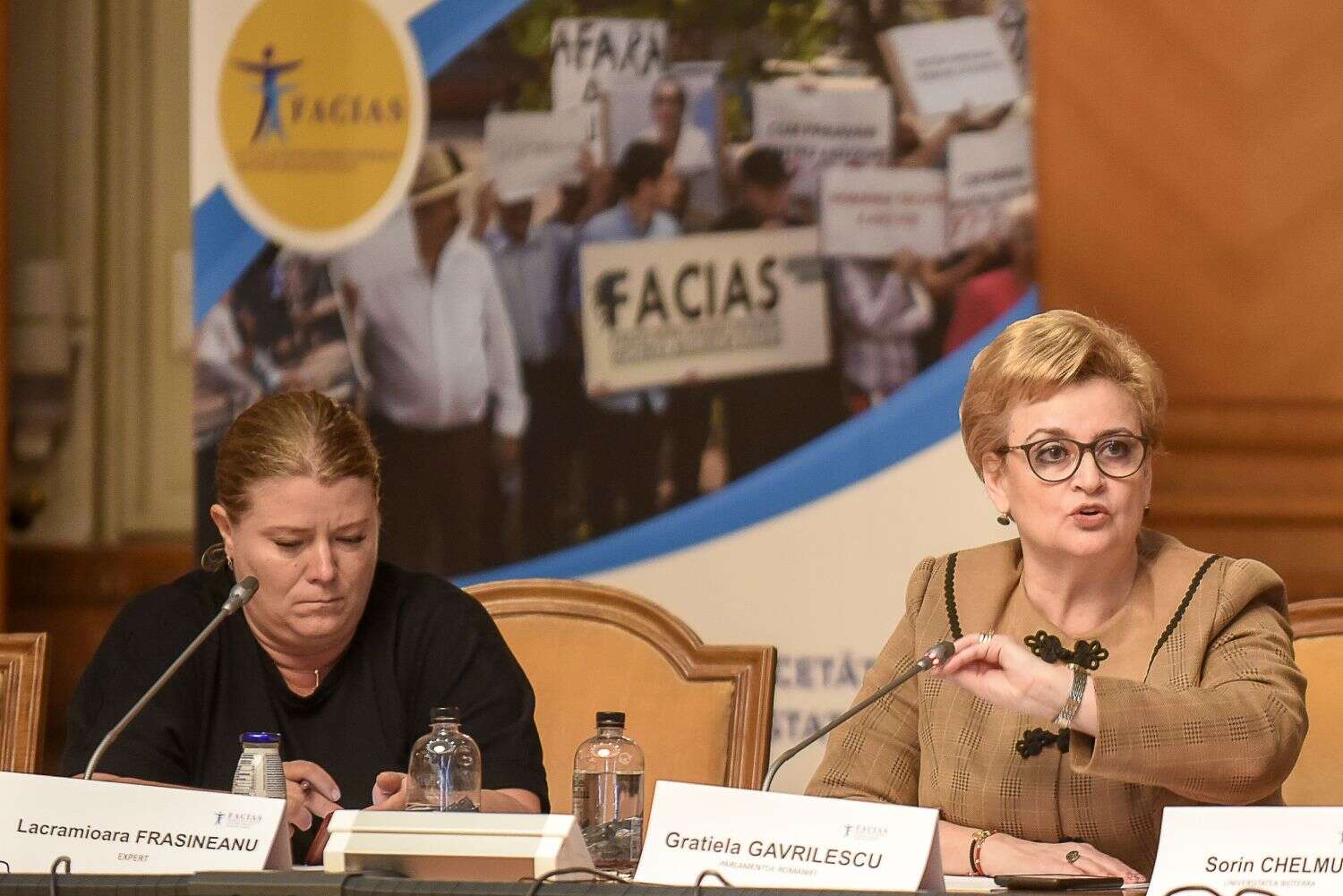
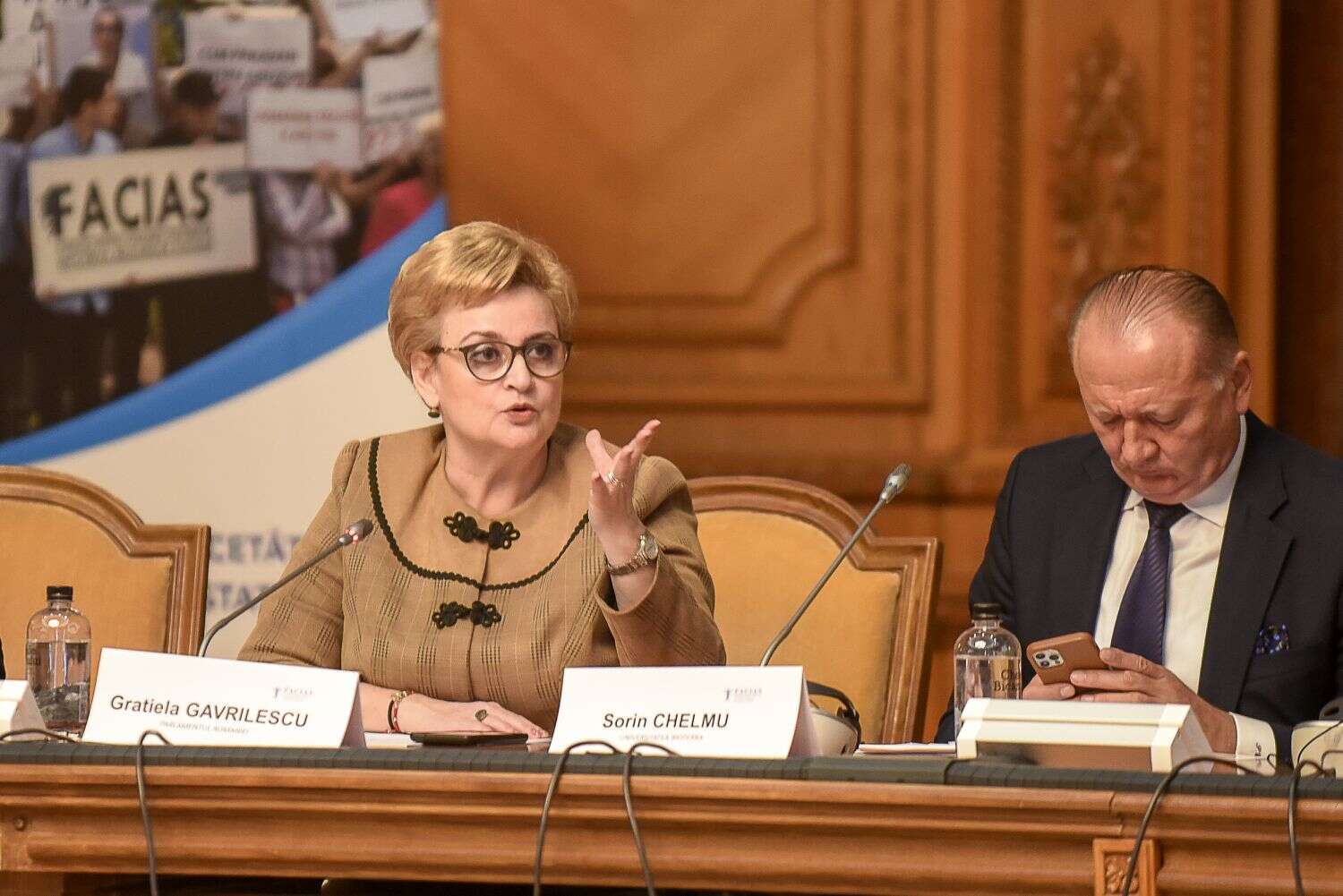
"I would like to see a situation for each ministry, each agency, how many funding guidelines have been launched, how many are almost published. We need to do a very serious analysis, and those who are not doing their job should leave. I think that those who are responsible for monitoring implementation should present a weekly situation to the government. Not only to the government, but also to Parliament, we are entitled to know what is in it, what negotiations are going on", said PUSL deputy Grațiela Gavrilescu.
With all the problems it raises, the NRRP represents a unique opportunity for Romania, which we must seize. But the difficulties are not few, whether we are talking about external or internal factors.
"NRRP is a good plan, it is good to be ambitious, but not utopian. We cannot solve in seven years what has not been done in 30. The NRRPs are new tools, even for the European Commission. Romania has a real absorption problem. Let's be realistic, we are seriously lagging behind, we are worse behind than we were in the 2007-2013 period", concluded Florian Marin, expert in European funds and member of the National Trade Union Bloc.