

FACIAS welcomes the clarifications provided by ANAF and emphasises that, in the future, this type of information should be explicitly communicated to the public as soon as a relevant change is announced. Otherwise, this could lead to confusion among the public and potentially abusive situations.
On 5 December 2024, FACIAS addressed a series of questions to the Ministry of Finance with the intention of providing citizens with clarifications on the payment of energy and gas bills from 1 January 2025. This was done in the context of the obligation of suppliers to submit bills through the national system RO e-Factura.
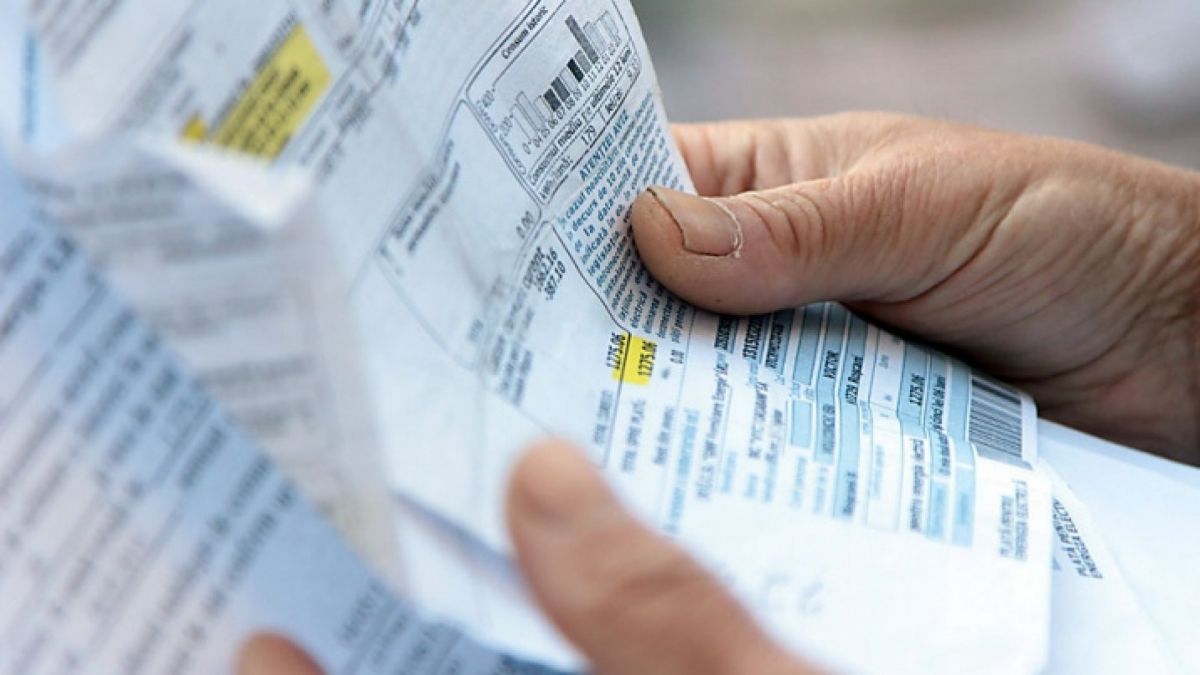
In its reply to FACIAS, the Ministry of Finance states that energy and gas suppliers will be permitted to continue submitting documents in the physical format. The full response from the Ministry of Finance is provided below:
Skip to PDF contentAs of 1 January 2025, electricity and natural gas suppliers are obliged to issue bills exclusively through the national electronic billing system, RO e-Factura. However, The Foundation For The Defense Of Citizens Against Citizens Against State Abuses (FACIAS) has warned that this measure, while intended to modernise the billing process, risks throwing millions of citizens into darkness and cold as a result of a hasty implementation and lack of adequate support for the population.
In an official response to FACIAS, the National Agency for Tax Administration (ANAF) has revealed that only 1.6 million individuals out of a total of more than 18 million citizens are currently registered in the Virtual Private Space (SPV). This indicates that over 16 million Romanians, particularly those residing in rural areas, the elderly, and individuals lacking internet access, are susceptible to the risk of not receiving their official bills, thereby increasing the likelihood of disconnection due to non-payment of essential services.
It is worth noting that, in accordance with the Tax Code and Government Emergency Ordinance No. 120/2021, as of 1 January 2025, the electronic invoice transmitted via SPV will become the sole document recognised as an official invoice. In the absence of a national information and education campaign, this legislative change will have significant implications for the most vulnerable members of society.
In this context, FACIAS asks the Ministry of Finance to urgently respond to the following questions:
- Has an assessment been made of the impact of this measure on individual consumers and is there an analysis of their readiness for the changeover to the RO e-Invoice system?
- What alternatives are available for consumers who wish to settle their utility bills but lack the requisite internet access, are unable to access the Virtual Private Network (VPN) or are lacking in the necessary knowledge and training to utilise this system?
- In the case of business-to-consumer transactions, will invoices be able to be issued in physical format in addition to those issued through the RO e-Invoice system or is the exclusive use of electronic format mandatory to comply with legal requirements?
FACIAS asserts that the implementation of such a measure without sufficient preparation of the population constitutes an abuse of state power and a flagrant violation of citizens' rights. FACIAS urges the authorities to promptly initiate information campaigns for the population, provide technical assistance to those lacking electronic access, and collaborate with service providers to identify alternative methods for bill delivery.
It is the position of FACIAS that the digitisation of services should not result in the marginalisation of vulnerable groups or individuals lacking access to technology. Rather, it should be an inclusive process that facilitates access to essential services for all citizens.